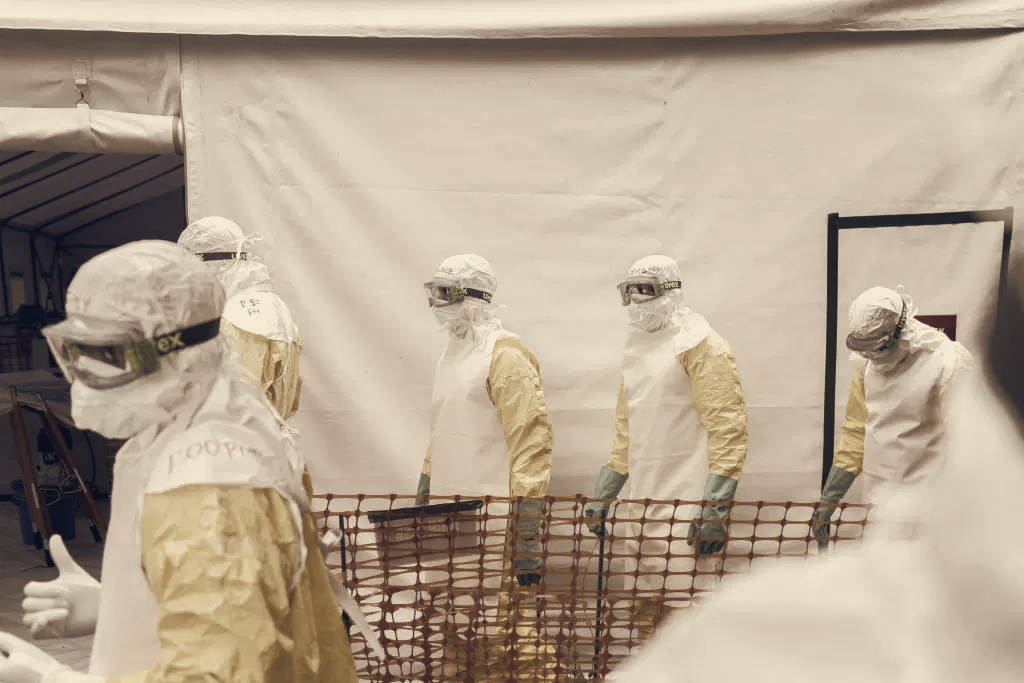
Communities and health services face wider exposure after the Ebola epidemic spread into South-Ubangi, taking the national total to 7,022 confirmed cases and 3,398 deaths. Detected in mid-May, the outbreak has produced 1,671 recorded recoveries and stands as the deadliest Ebola event in the country's history.
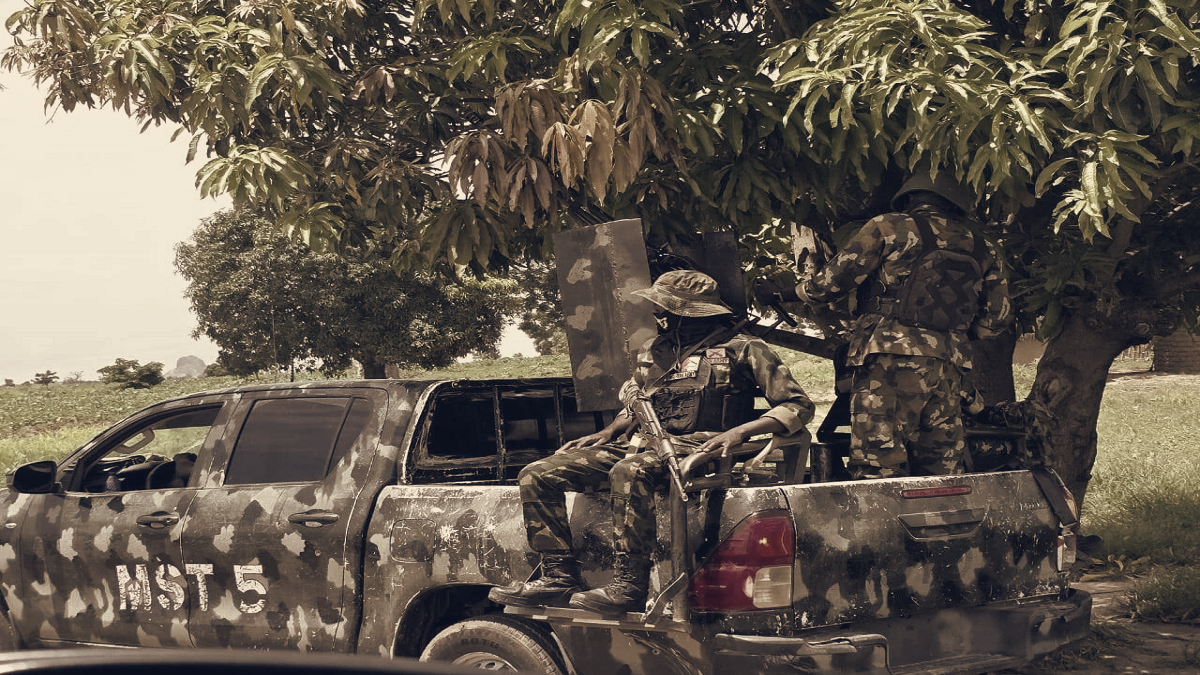
The virus first surfaced in Ituri and has since moved into remote eastern and northern zones where armed groups operate and state services are limited. Those conditions have weakened local health systems and made it harder to identify, isolate and treat cases, officials say.
The advance into South-Ubangi raises cross-border alarms because the province borders the Central African Republic and Congo-Brazzaville, increasing the potential for international spread. The epidemic has also reached communities and schools in Ituri after pupils returned from holidays, prompting parents and education staff to tighten precautions.
"We are very worried because we don't know which child comes from which family or what the health status of the members of that family is," said Angele Magani, a mother of a schoolboy in Bunia. School official Roger Mungimbo described on-campus measures, saying, "there is a mandatory hand-washing system with soap, and we have also done everything possible to have a maximum of 30 pupils per classroom."
Ebola transmits through contact with infected bodily fluids and can cause severe bleeding and organ failure. Over the past 50 years the disease has killed more than 15,000 people in Africa. This epidemic is driven by the Bundibugyo strain, for which there is currently no approved vaccine or treatment; trials of several candidate vaccines and therapies are underway.
The combination of a high case count, a substantial death toll, insecure terrain and limited health infrastructure complicates containment and raises the risk of further geographic spread. Health authorities and humanitarian responders will need to scale surveillance, testing and community engagement in insecure zones to slow transmission. In the short term attention remains on limiting school-based spread in Ituri and tracking cases across provincial and international borders while experimental medical countermeasures continue to be evaluated.