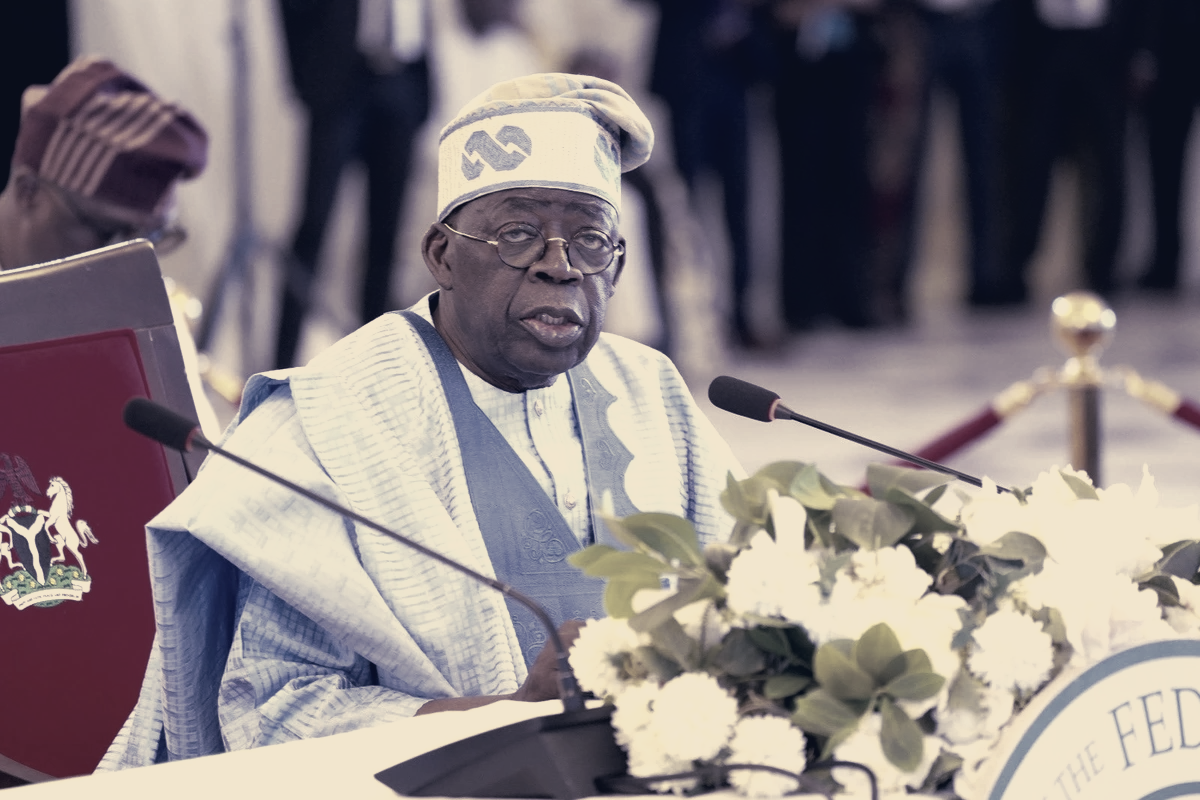

Nigerian shipowners can finally seek loans from the long-idle Cabotage Vessel Financing Fund after President Bola Tinubu authorised its disbursement. The Minister of Marine and Blue Economy, Dr Adegboyega Oyetola, said the presidency has instructed the Nigeria Maritime Administration and Safety Agency and 12 Primary Lending Institutions to speed the payout process.
Oyetola’s office, through his Special Adviser Dr Bolaji Akinola, framed the move as a push to unlock investment, widen indigenous participation in coastal and offshore shipping and create jobs across the maritime sector. The minister noted the disbursement drive followed his April 2025 directive to NIMASA and the launch of a CVFF application portal in Lagos on January 22, intended to give eligible operators a clearer route to funding.
The CVFF was established more than two decades ago to offer low-interest, long-term financing for vessel acquisition but remained unaccessed for years. Successive attempts to move the fund into active lending stalled amid administrative delays and parliamentary scrutiny. In December 2019 the federal government said indigenous shipowners would begin drawing from the fund from January 2020, and the fund was then reported at ₦44.64 billion.
Parliament intervened in May 2023, ordering a suspension of the planned rollout over concerns about unreliable records and unclear beneficiary lists. A month later the House approved the disbursement of the then-estimated $360 million CVFF to qualified operators after an investigation. By April 2025 NIMASA put the fund at around $700 million and said the number of Primary Lending Institutions had risen from five to 12.
Officials expect the latest authorisation to cut processing bottlenecks and broaden access to credit for indigenous owners. NIMASA’s wider efforts to strengthen Nigeria’s maritime compliance were highlighted alongside the CVFF update, including a diplomatic win in August 2026 when the United States lifted a 12-year Condition of Entry on Nigerian vessels. That lift is expected to reduce security-related requirements and costs and to improve vessel turnaround and schedule reliability on routes to US ports.
The immediate next steps are administrative: NIMASA and the 12 lenders must operationalise the portal and disbursement rules so shipowners can submit applications and receive loans. Given the fund’s history, the rollout will likely attract scrutiny from lawmakers and industry observers as Nigeria moves cash from years of accumulation into active maritime lending.