
West African governments could lose access to stable fuel and food imports if Gulf hostilities between the United States, Israel and Iran continue to escalate, ECOWAS warned.
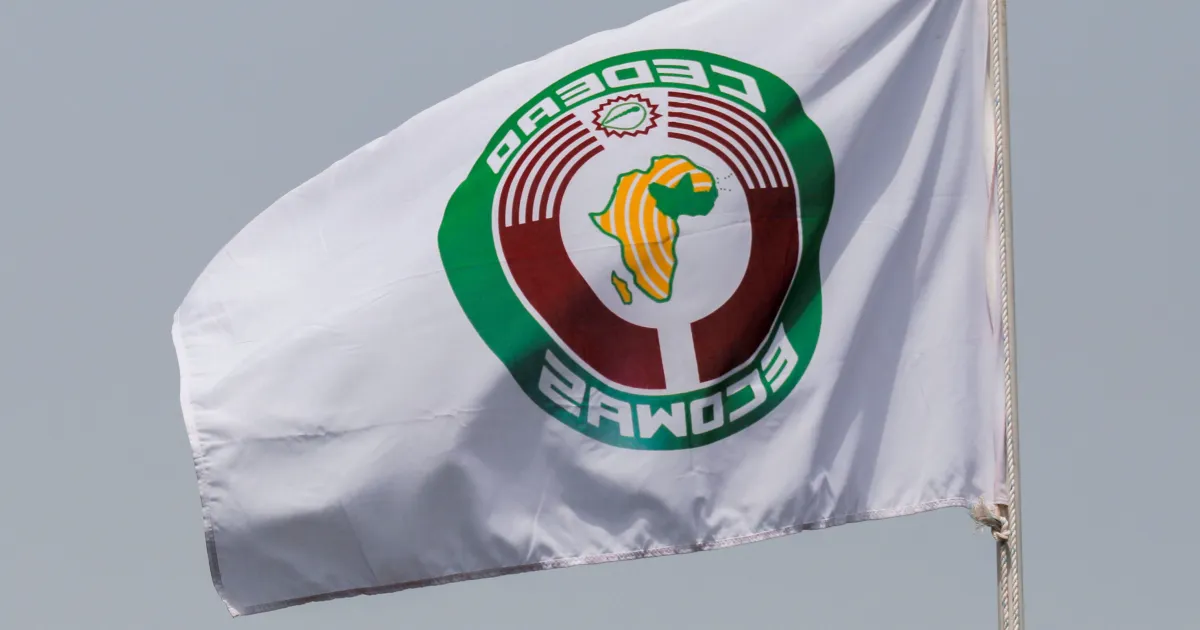
The Abuja-based bloc, under the chairmanship of H.E. Dr. Julius Maada Bio, President of Sierra Leone, issued a formal statement on Saturday, 28 February 2026, aligning itself with the African Union Commission in calling for immediate de-escalation.
ECOWAS framed the crisis as an economic and security threat that extends beyond the Middle East. It pointed to attacks by US and Israel on Iran and subsequent Iranian retaliation that affected several Gulf states hosting US military bases, warning that the intensification of military action risks widening instability across the region.
The statement highlighted the vulnerability of Africa to secondary effects, noting the Strait of Hormuz is a critical corridor for global oil and liquefied natural gas, and that disruption there would directly threaten trade and the survival of vulnerable populations.
“The intensification of military action risks widening instability in the Middle East, with serious consequences for international peace and security in general and for global energy markets, trade, and food supply chains, especially for Africa and other vulnerable regions,” the statement said.
ECOWAS demanded that all parties exercise maximum restraint and return to the principles of international law, insisting any resolution must respect sovereignty, territorial integrity, and the United Nations Charter.
By endorsing the African Union’s declarations and signing the statement in Abuja, West African leaders signalled they are preparing for economic shocks, especially rising fuel costs and volatility in imported food prices already visible in early 2026.
ECOWAS’s appeal for restraint is both a diplomatic warning and a call for protective policy measures as the region watches for further escalation.