
Babies and young children are at heightened risk after a surge of rotavirus cases in Pretoria, where the National Institute for Communicable Diseases reported one death.
The NICD said the 2026 rotavirus season remains under way across South Africa, and cases usually peak during the cooler, drier months. The agency reported a sharp rise in infections in Pretoria and urged caregivers to be vigilant in homes, crèches and other settings where young children gather.
Rotavirus is highly contagious and spreads by the faecal-oral route, often through contaminated hands, surfaces or objects. Infected children can start vomiting before developing frequent watery diarrhoea, and fever occurs in about 30% to 50% of patients. The illness commonly leaves children listless, with reduced appetite and abdominal discomfort.
The greatest danger is dehydration. Small bodies can lose water and salts rapidly when vomiting and diarrhoea occur together, and infants can deteriorate fast. The NICD lists key warning signs for parents and crèche staff: very few or no tears when crying, a dry mouth or sunken eyes, a sunken soft spot in babies, and markedly fewer wet nappies. No wet nappy for six to eight hours requires concern. Caregivers should also watch for unusual sleepiness or limpness, persistent refusal of fluids or feeds, and ongoing vomiting that prevents fluid intake.
Other danger signs include dark urine, cold or discoloured skin, rapid breathing or heartbeat, and poor skin turgor when pinched. Severe dehydration is a medical emergency and a child showing these signs should be taken to the nearest clinic or hospital immediately.
Treatment focuses on fluids. Mothers should continue breastfeeding and caregivers should increase fluid intake for ill children. Oral rehydration solution replaces water and salts lost to diarrhoea and vomiting, and the NICD advises giving it while travelling to a health facility if possible. Antibiotics do not treat rotavirus unless a clinician has diagnosed a separate bacterial infection.
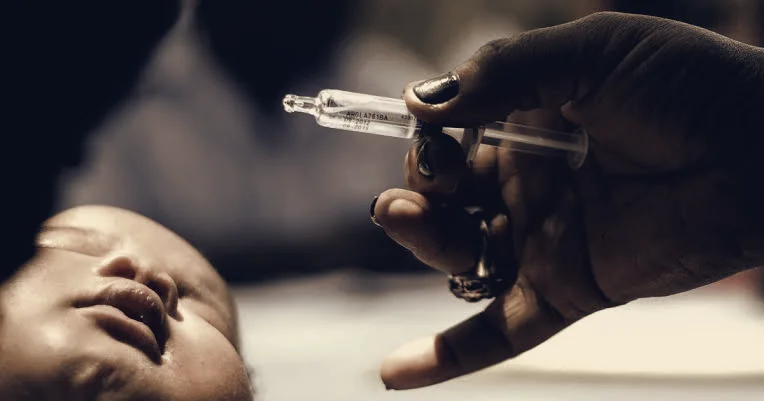
South Africa added rotavirus vaccination to the Expanded Programme on Immunisation in 2009. The vaccine is administered orally and, according to the World Health Organization, is highly effective at preventing severe disease. Earlier NICD data estimated a 50% reduction in rotavirus hospital admissions among young children after the vaccine’s introduction. Vaccination lowers the risk of severe dehydration and hospital care, but it does not eliminate all diarrhoea.
With the season active and cases rising in Pretoria, the NICD’s advice is clear: ensure routine vaccinations are up to date, keep strict hygiene in child settings, give fluids early, and seek urgent medical attention for any dehydration warning signs.