

In the wake of reports that the RSF has arrested a handful of its fighters for alleged summary executions in El Fasher, the move is being presented as a sign of internal accountability. But observers describe it as a strategic distraction from far wider violence unfolding in Darfur.
The Context:
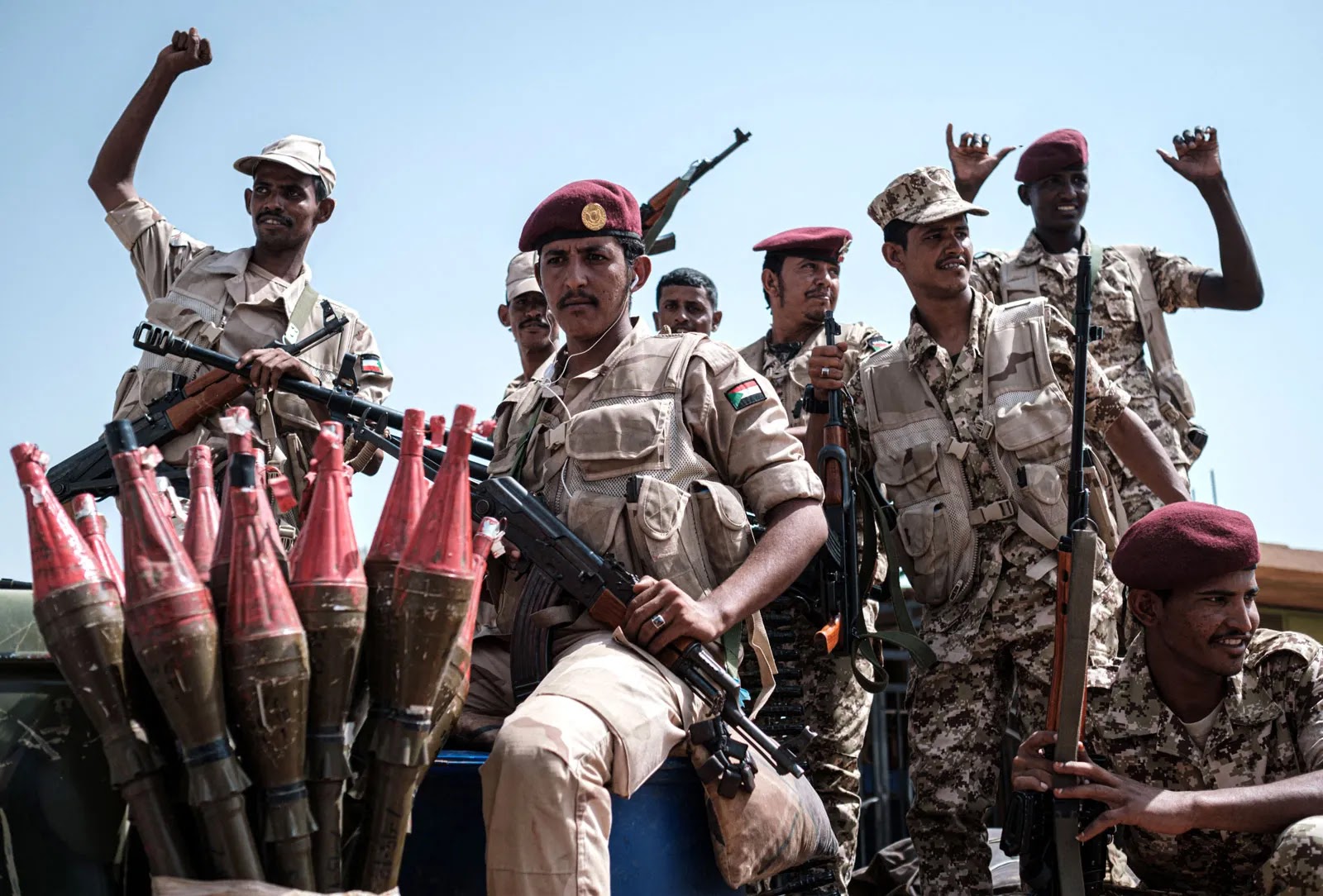
The RSF, a powerful paramilitary force in Sudan, recently took control of El Fasher, the capital of North Darfur, after a long siege.
Following the takeover, the United Nations Human Rights Office flagged multiple, credible reports of severe human-rights violations by RSF fighters - including detentions, killings of civilians, and acts consistent with summary execution.
In response, RSF commander Mohamed Hamdan Dagalo (also known as “Hemedti”) admitted “abuses” occurred and announced the formation of an internal investigative committee.
The Analysis: What Most People Are Missing
-
Surface accountability but limited scope. The RSF’s public acknowledgment and arrests create a veneer of responsiveness. However, many victims, rights groups and Darfur observers believe these actions cover only a small portion of alleged abuses, while the bulk remains unaddressed. This selective accountability risks being perceived as a symbolic gesture rather than substance.
Power dynamics and credibility risk. The RSF is both the perpetrator and self-investigator in this case. When an armed actor under international scrutiny investigates itself, questions emerge about impartiality, access to evidence, and protection of witnesses. The credibility of any findings will hinge on transparency and external verification.
Implications for ethnic and humanitarian dimensions.