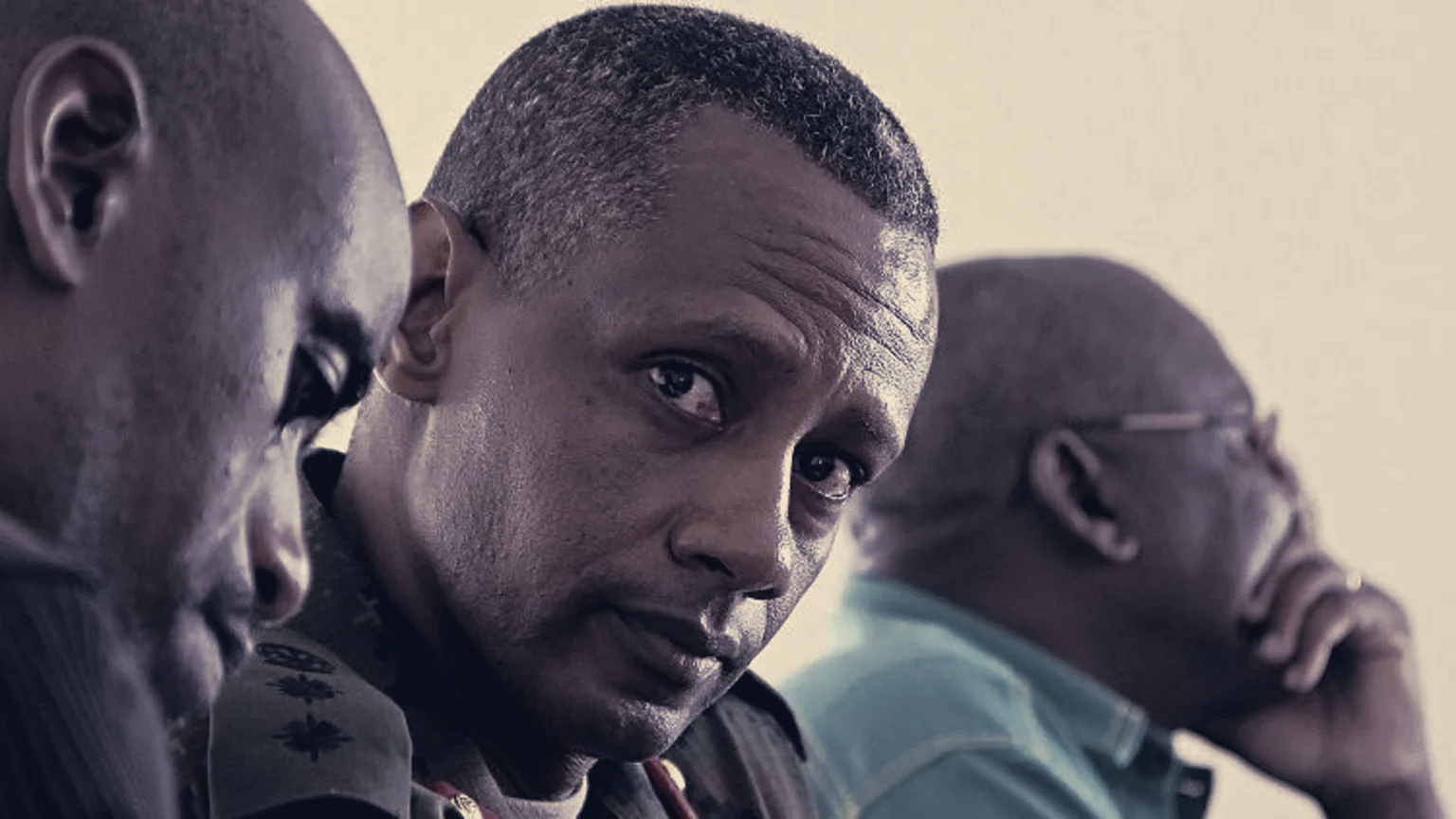

Rwanda loses its former presidential guard commander, Tom Byabagamba, who died in prison 12 years after his arrest. Byabagamba, 59, had been detained since 2014, when authorities arrested him alongside his brother-in-law, retired brigadier-general Frank Rusagara, on charges of "spreading rumours" and "tarnishing the image of the country and government".
Byabagamba always rejected the allegations, calling them fabricated. He once served as President Paul Kagame's personal bodyguard, a role that made his prosecution notable both inside Rwanda and among international observers.
His family remains without basic information about his final days. David Himbara, Byabagamba's brother, told the BBC Great Lakes service that they did not know the cause of death because "no-one was allowed to see him in all these years". That lack of access echoes pleas from other families whose relatives were detained after the 2014 arrests.
A military court convicted Byabagamba in 2016 and sentenced him to 21 years. An appeal reduced that term to 15 years. Rusagara, who had served as secretary-general of the defence ministry, received a 20-year sentence and died in prison in March last year. Human Rights Watch described Rusagara's passing as the "lonely death of a general", noting his family had not heard from him since days before his detention and that authorities told them he had been ill with cancer.
Rights groups have repeatedly raised concerns about the prosecutions, saying the trials were marred by procedural problems and that detention of the two men looked arbitrary. Campaign group Freedom Now criticised the pair's detention as "arbitrary" and as having "violated international law". Those assessments frame the cases as part of a broader pattern of restrictions on political opposition and critics, according to international monitors.
The deaths of Byabagamba and Rusagara close two high-profile chapters that have drawn sustained scrutiny from human rights organisations. Their cases continue to be cited by critics of Kagame's government as evidence of how dissent and former insiders are treated, leaving families and observers seeking clearer explanations that have not been provided publicly.