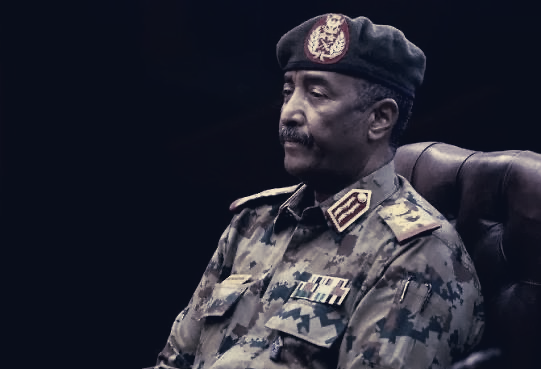

Civilian and political anti-war forces in Sudan have publicly refused Sovereignty Council President and Sudan Armed Forces commander-in-chief Lt Gen Abdelfattah El Burhan's invitation to political talks, arguing a credible settlement cannot begin while fighting continues. Delegates meeting for two days in Addis Ababa said any process that proceeds without a halt to hostilities would only legitimize military control and risk a return of elements tied to the former regime and the Islamic movement.
The gathering brought together political parties, including the forces behind the "Sudanese Declaration of Principles", the Popular Congress Party and the Umma Party, alongside civil society groups, feminist networks and youth organisations. Participants issued a joint position paper titled The Peace Process We Want, which calls for an independent political track free from dominance by either armed party and rejects dialogue that could entrench military rule.
Former Prime Minister and Civil Democratic Alliance of Revolutionary Forces (Sumoud) president Abdalla Hamdok described the Addis Ababa meeting as a major development for Sudan's civilian camp, and said "hope is there", urging continued work to overcome the conditions that have prolonged the conflict. Delegates reaffirmed support for the Quadrilateral Roadmap issued in September 2025 and urged a single, unified international mediation framework to coordinate outside efforts.
The anti-war coalition outlined an action plan that includes specific steps for the Sudanese Armed Forces and the Rapid Support Forces to de-escalate and agree to an immediate truce. Delegates also agreed to form a joint committee to align positions and strategy across the civilian camp and to mobilize Sudanese at home and abroad to reject the war, counter hate speech and polarisation, and press for a comprehensive peace that restores civilian authority and preserves national unity.
The meeting shifts the bargaining dynamic by presenting a consolidated civilian alternative to a military-led process, and it sets clear preconditions for any future talks: a visible reduction in violence, external mediation under a single framework, and civilian-led political arrangements. The next stage will test whether SAF and RSF accept de-escalation measures and whether international mediators respond to the bloc's call for unified engagement.