
US Citizenship and Immigration Services will not be able to provide Fraud Detection and National Security Directorate immigration officers to asylum-officer training in the near future, an internal message says.
The message, reviewed by the Guardian, says FDNS immigration officers were shifted full-time onto two priorities, South African refugee screening and screening for alleged unlawful voters. USCIS confirmed the directorate is working multiple vetting portfolios. Spokesperson Zach Kahler said FDNS “works on different vetting portfolios to combat fraud, maintain the integrity of the immigration system and detect national security and public safety threats.” He added, “This mission set includes a number of priorities, including election integrity and refugee screening.”
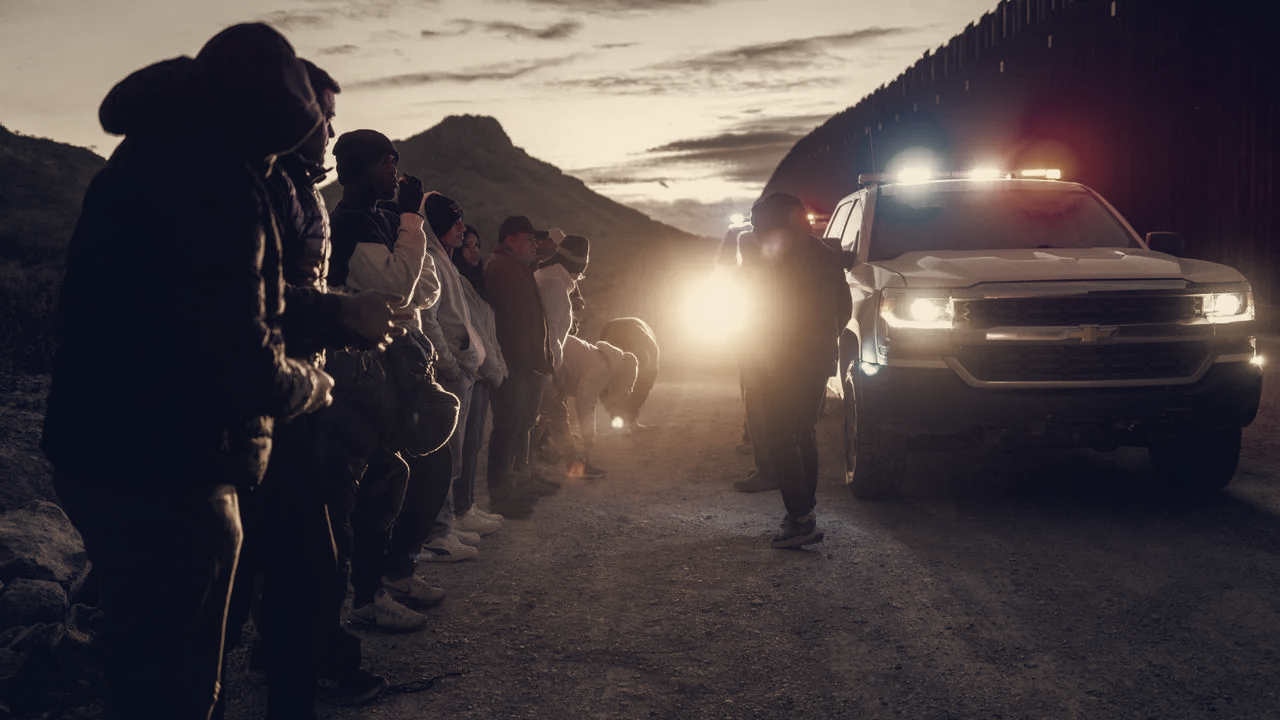
FDNS is the unit that flags fraud and national-security concerns across immigration benefit applications, including asylum claims. Officers normally support asylum offices by identifying cases that need deeper review, referring matters to law enforcement, and helping asylum officers spot fraud and other red flags. The reassignment therefore represents a substantial diversion of specialised personnel and capacity away from asylum training and case screening.
The broader asylum process has largely ground to a halt under the Trump administration, leaving many cases in limbo, and the memo notes the agency cannot supply trainers “for the near future.” The correspondence does not explicitly say whether routine FDNS screening of pending asylum applications has stopped, and the Guardian has not independently confirmed any further slowdown in casework. If routine screening slows, pending asylum claims could face direct delays beyond the loss of training.
The refugee-screening initiative is tied to the administration’s effort to sharply curtail refugee resettlement while prioritising South Africans, primarily Afrikaners, a group US officials say faces racial discrimination. The State Department reported 10,258 refugees were admitted to the US between 1 October 2025 and 31 July 2026, of whom 10,255 were from South Africa. The remaining three were Afghans admitted in November.
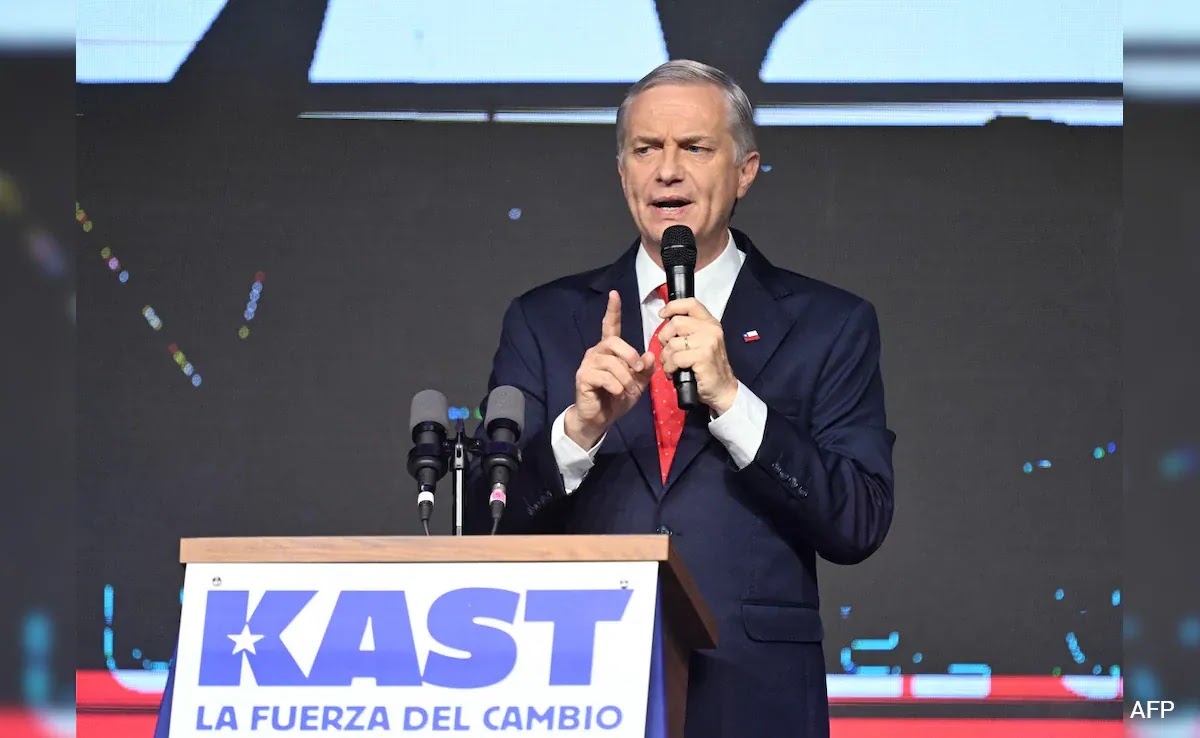
The second priority, screening for “unlawful voters,” plugs into a sustained administration push to identify noncitizens alleged to have registered or voted. USCIS has moved to bar naturalisation for green card holders who voted or registered to vote and to pursue deportation for some. A March 2025 executive order opened the agency’s Save database to state election officials, prompting investigations in several states. Independent reviews find confirmed noncitizen voting to be rare: a February 2026 review by the Center for Election Innovation and Research identified roughly 35 such cases nationwide in the 2024 general election, out of about 154m votes cast. The Department of Homeland Security’s July claim of “over 250,000 potential non-citizens illegally registered to vote” across four states has since been shown to overstate confirmed cases.
The immediate effect is clear, training capacity for asylum officers will be curtailed. What follows depends on whether the reassignment also reduces routine FDNS case screening; if it does, delays and additional backlogs for asylum seekers are likely, and political tensions over voter-screening efforts will continue to shape USCIS priorities.