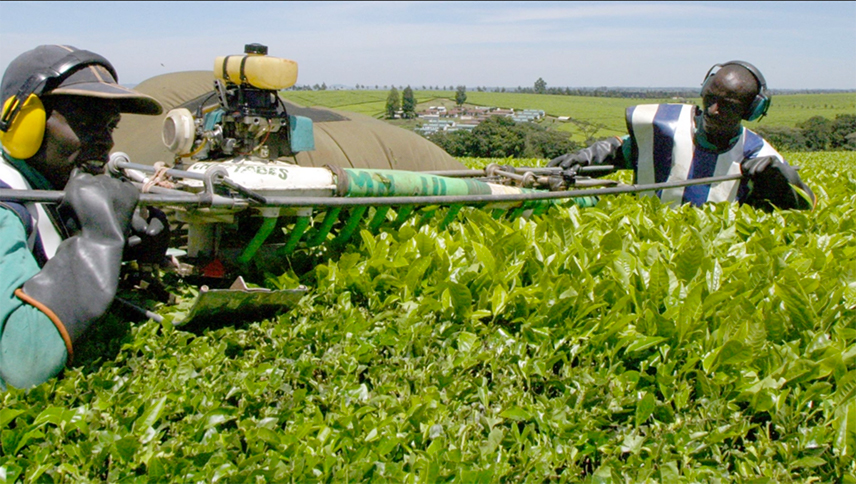

Nigeria's growth strategy shifts, prioritising manufacturing and agro-allied industries as the engines of long-term economic transformation under Agenda 2050.
BusinessDay reported the designation on 27 February 2026, signalling a policy reorientation with direct consequences for jobs, investment and fiscal planning across the country.
The identification of these sectors as primary drivers reframes the government’s economic priorities from short-term stabilisation to structural change, emphasising industrialisation and value addition in agriculture.
For Nigerian households and local economies, that means the potential for expanded employment in factories and food processing, and for smallholder farmers, clearer pathways into formal value chains rather than raw commodity sales.
For policymakers the challenge is implementation. Converting a strategic label into results will require coordinated reforms in infrastructure, power, logistics, and trade policy, as well as targeted incentives to attract private capital.
Governance quality will determine whether Agenda 2050 moves beyond rhetoric into measurable productivity gains and export diversification.
Regional implications matter. Success in manufacturing and agro-processing would strengthen Nigeria’s role in West Africa’s supply chains and affect trade balances with neighbouring markets.
The next steps to watch are budget allocations, announced industrial policies, and private sector responses that either validate or undermine the plan’s central claim.