
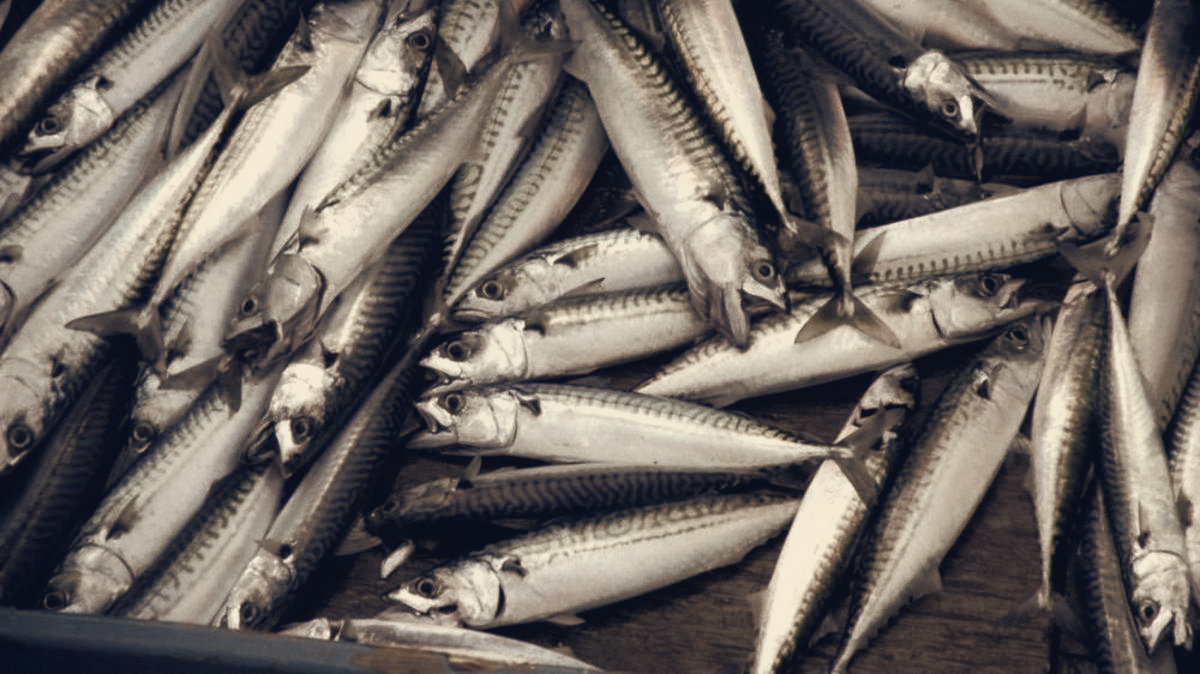
Shoppers are getting substantially less omega-3 and vitamin B12 in tinned mackerel as major suppliers switch north-east Atlantic mackerel for cheaper Chilean jack mackerel, consumer group Which? warns. The substitution has already appeared in products from Princes and in Lidl’s own-brand tins, leaving buyers paying the same retail price for a product that delivers lower nutritional value.
Market analysts point to a stark price gap: Chilean jack mackerel costs roughly one-third as much as Atlantic mackerel. That difference, industry figures show, is the commercial incentive behind the change as suppliers respond to collapsing north-east Atlantic stocks and the species losing Marine Stewardship Council certification.
Which? highlighted the nutritional shortfall between the two species. Jack mackerel contains about half as much omega-3 and around a third as much vitamin B12 as traditional Atlantic mackerel, the group said. Sue Davies, head of food policy at Which?, warned manufacturers must be transparent when they alter product ingredients. She said, "It's a real concern when manufacturers quietly downgrade everyday staples like these as shoppers can end up paying the same price for a product that delivers significantly less nutritional quality."
Princes confirmed in October that it had moved all of its tinned mackerel lines to jack mackerel, saying the alternative meets the MSC's sustainability standards. The company added its jack mackerel tins were "clearly identified" and described the fish as having a "milder flavour and meatier texture." Lidl GB said it remained "committed to sourcing fish and seafood from responsibly managed fisheries." Those changes have prompted consumer complaints about taste, texture and labelling clarity.
The switch is unfolding against a backdrop of international disputes over catch quotas, long dubbed the "mackerel war" between the UK, Iceland, Greenland, Norway, the Faroe Islands, the EU and Russia. Scientists and conservation bodies say north-east Atlantic mackerel catches have exceeded advice by an average of 39% over the past 15 years and that stocks have fallen by roughly three-quarters in the last decade. The International Council for the Exploration of the Sea has advised cutting north-east Atlantic catches in 2026 by roughly 70% to allow recovery.
Some retailers are reacting differently: Waitrose suspended sales of fresh, chilled and frozen mackerel and plans to phase out tinned stocks as they sell through, citing overfishing concerns. With scientific bodies urging dramatic reductions in catch sizes, retailers and suppliers face continued pressure to balance sustainability, cost and clear information for shoppers as supply shifts persist.