US manufacturers, auto suppliers, retailers and transport companies are raising prices and holding more inventory as tariffs, a jump in fuel costs and rising interest rates compress profit margins. Executives in capital-intensive industries say the trio of pressures is producing stark choices: pass costs to customers, cut investment or shrink operations.
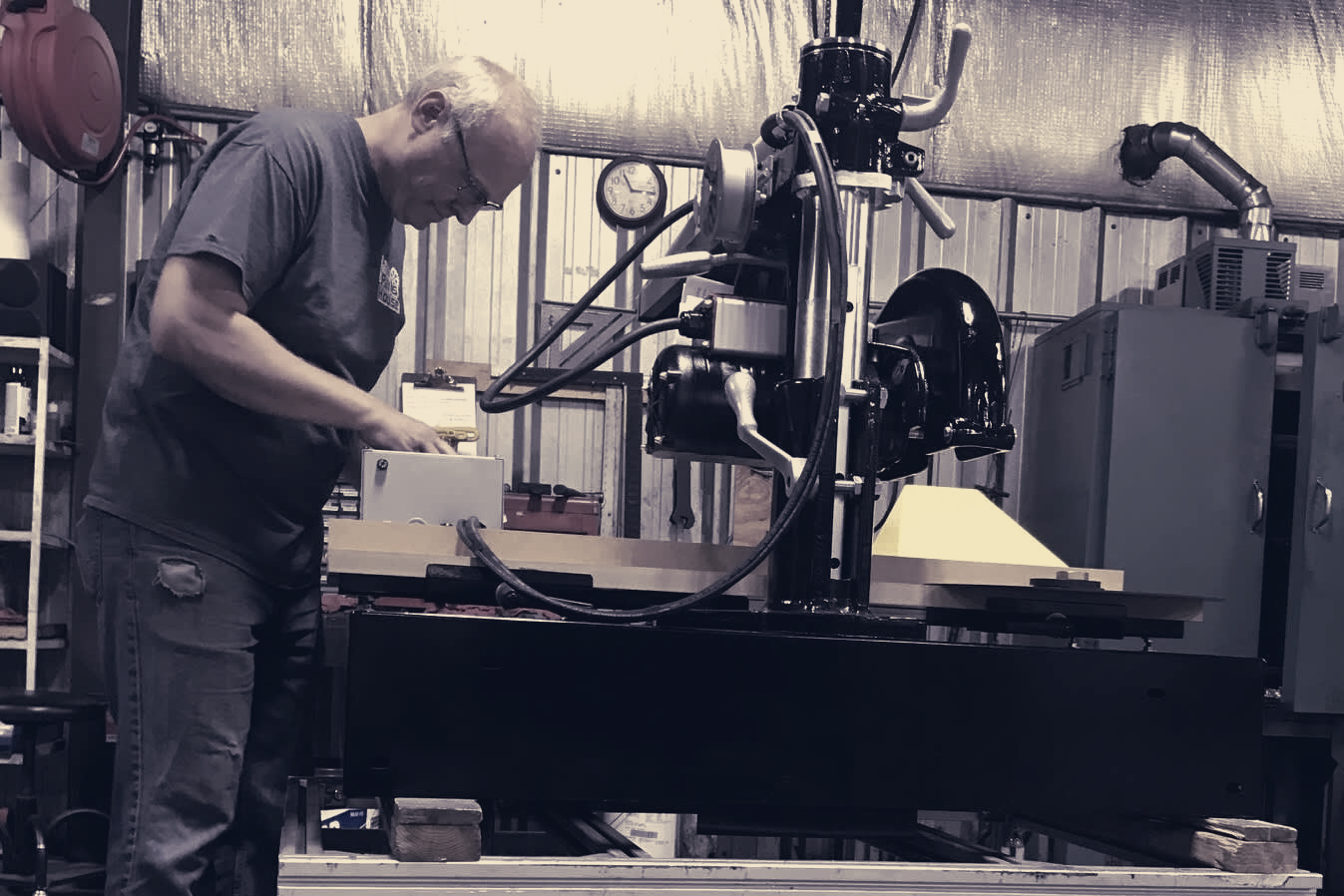
Small manufacturers are already adapting. Original Saw Co., a 25-person shop in Britt, Iowa, has begun keeping extra parts on hand after component prices surged this year. Owner Allen Eden, 56, said a small bracket used in his saw motors climbed to $87 from $42 over the summer. "It's awful," Eden said, describing higher bills for aluminum, steel and other parts alongside concern those costs may not fall.
Analysts and industry chiefs point to a linked set of drivers. Tariffs have raised the price of imported inputs, diesel and other fuels have spiked amid conflict in the Middle East, and the Federal Reserve has started raising borrowing costs to rein in inflation. The Fed raised rates for the first time in three years and signaled another hike is possible this year, increasing the expense of financing inventory and equipment while input prices climb.
"The combination of higher rates and higher fuel prices means that sectors with heavy exposure to both are first in the line of fire," said Gregory Daco, chief economist at EY-Parthenon. JPMorgan Chase strategist Dubravko Lakos-Bujas noted smaller firms typically rely on shorter-term lending, so rate increases feed through to their costs more quickly.
Company executives say the pressure is already showing up in selling prices. Mark Costa, CEO of Eastman Chemical, said firms have been forced into a corner and are raising prices at an unusually fast pace. Home Depot's CFO Richard McPhail warned that energy and raw-material cost pressure will "fully offset" the benefit of $730 million in tariff refunds.
The auto-supply sector illustrates the stakes. Lucerne International halted US manufacturing and dropped plans for a $50 million aluminum forging plant after tariffs and higher costs hit margins, CEO Mary Buchzeiger said. "There's no doubt that there's margin pressure for suppliers," said Paul McCarthy, CEO of supplier group MEMA. Earnings before interest and taxes for the top 100 auto suppliers fell to 4.2% last year, from more than 6% in 2021; the top 10 automakers' figure slipped to 5.2% from nearly 8% in 2022.
Large, cash-rich S&P 500 companies are relatively better insulated because they borrow long term and hold bigger reserves, but strategists warn those advantages narrow if long-term yields climb sharply. JPMorgan said pressure would intensify if the 10-year Treasury yield reaches 6%, up from around 5% now.
For many mid-sized and smaller companies, the combined rise in input and fuel prices and higher borrowing costs means more price increases, tighter credit lines and likely further shifts in operations in the months ahead. Executives must weigh near-term margin relief from price hikes against the risk of lost sales and constrained investment as financing costs persist.