
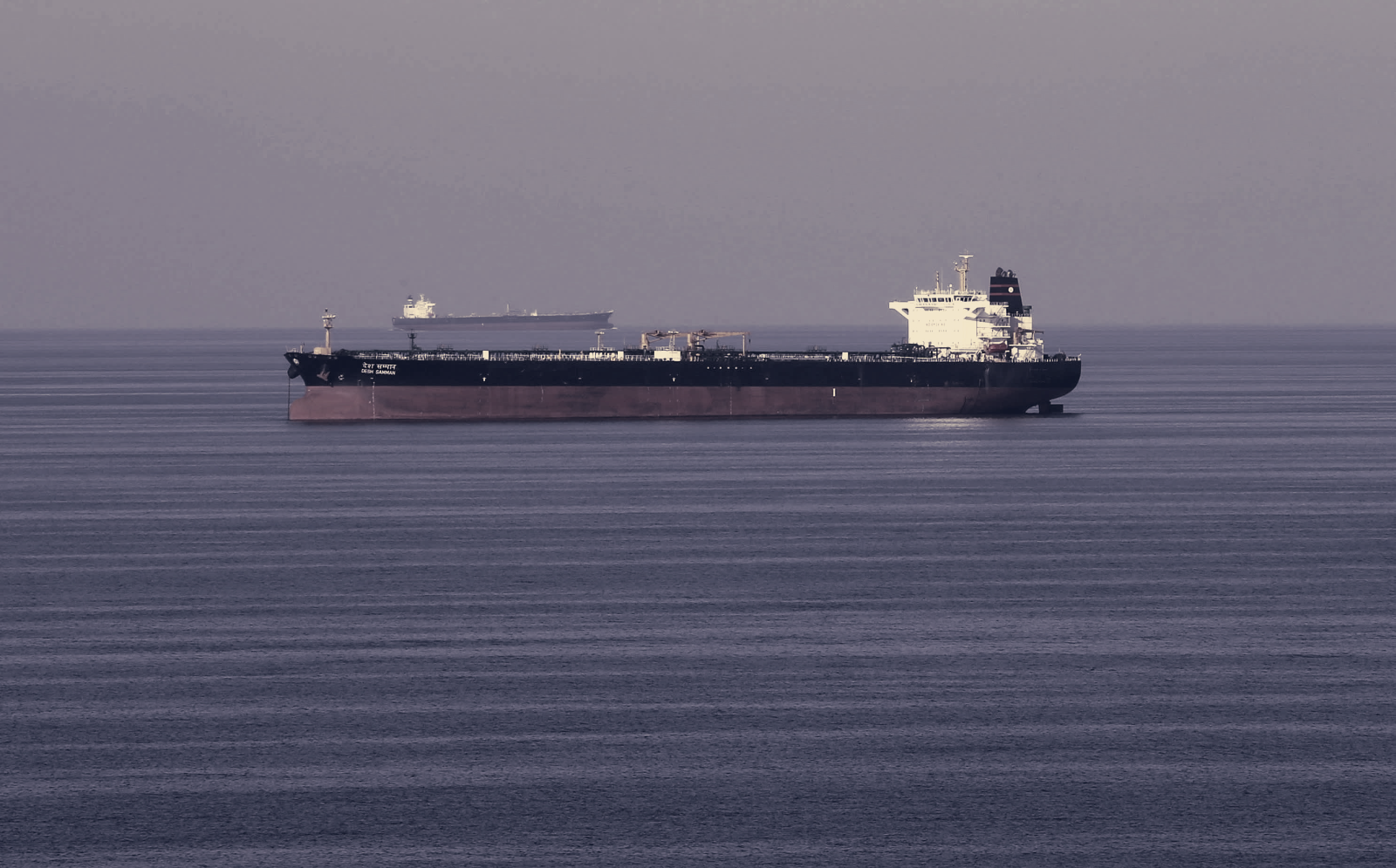
Brent futures rose 1% to $98.13 a barrel by 10:01 a.m. E.T., having traded as high as $99.46 earlier in the session. U.S. West Texas Intermediate climbed 1.95% to $93.26 per barrel. Oil has gained more than 8% in September amid a series of military exchanges between the U.S. and Iran, and the latest strikes have added a fresh risk premium to already volatile markets.
Saudi authorities said Houthi militants targeted civilian and economic assets in Abha, Khamis Mushait, Jazan and Najran, and that more than 70 civilians were injured. The kingdom’s Energy Ministry reported fires at several energy facilities that led to temporary shutdowns, and emergency teams were deployed to contain blazes and assess damage. Riyadh did not disclose what types of energy installations were hit.
Houthi state media said the group used drones and ballistic missiles to strike Saudi Aramco facilities in southern areas. The Saudi Foreign Ministry said the kingdom "affirms its legitimate right to take all necessary measures to defend its sovereignty, safeguard its national assets, and protect the security and safety of its citizens and residents."
The strikes follow an escalation in recent days that included U.S. military action against three Iranian oil tankers on Saturday, carried out in retaliation for Iranian ballistic missile strikes on two Navy warships. Iran’s Foreign Ministry characterised the attacks on the tankers as a "war crime" and an act of "economic warfare." Iranian Parliament Speaker Mohammad Bagher Ghalibaf posted on X, "Strike our assets and you get struck," reacting to a post in which Defense Secretary Pete Hegseth said the U.S. "will destroy (and sink)" Iranian oil tankers if Iran fires on U.S. vessels.
Financial markets have already begun to adjust. Goldman Sachs raised its December 2026 targets for Brent and WTI by $5 to $85 and $80 per barrel, respectively, and set 2027 forecasts at $80 and $75 per barrel, respectively. The bank warned that "Markets are increasingly pricing a prolonged Mideast conflict," and said it expects shipping disruptions to persist into 2027 with production recovery by the second half of that year.
Traders and energy analysts will now focus on damage assessments, restoration timetables and any further strikes to judge whether the recent disruptions will become sustained supply interruptions. For the moment, the attacks have tightened an already fragile market, raising near-term costs for refiners and buyers and increasing the potential for longer-lasting supply and shipping constraints.