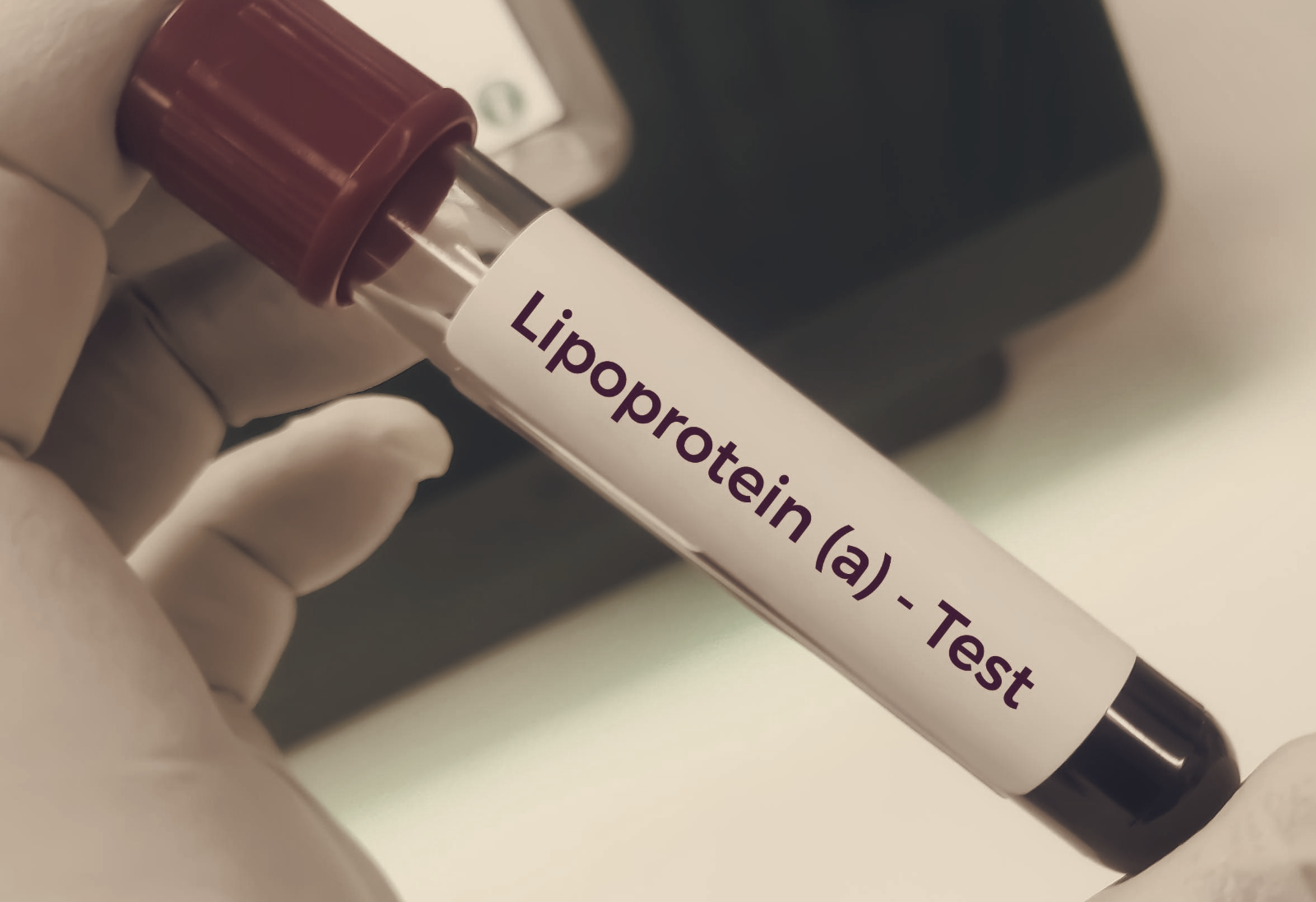

Novartis’s commercial opportunity for pelacarsen has narrowed after a late-stage trial showed the drug lowered Lp(a) but did not produce a significant drop in heart attacks or strokes, the company said. That topline miss reduces the potential multibillion-dollar payoff investors had modelled and immediately intensified scrutiny of other Lp(a)-targeting programs.
The study, which enrolled more than 8,000 patients who were already on optimized cardiovascular therapy, was disclosed after markets closed on Friday. Novartis said it will present fuller results at an upcoming medical congress, a report investors will use to judge whether the negative clinical outcome reflects the drug's mechanism, features of the trial design, or a broader challenge to the idea that lowering Lp(a) prevents cardiovascular events.
Novartis chief medical officer Shreeram Aradhye said the findings "provide important evidence that advances scientific understanding of the relationship between Lp(a) lowering and cardiovascular outcomes and may help inform future approaches to cardiovascular risk management." The company declined to provide further detail in its initial release.
Markets reacted across the sector. Novartis shares fell about 3% on Monday. Several U.S.-listed peers and collaborators moved sharply in extended trading on Friday, with Amgen slipping about 5%, Ionis Pharmaceuticals down about 10%, and NewAmsterdam Pharma off about 12%.
Analysts had modelled peak annual sales for pelacarsen at roughly $4 billion to $5 billion if the drug succeeded, a payoff that now looks far less certain. Citi analysts summed up the state of play, writing, "The Lp(a) hypothesis is weakened, but not disproven," while Jefferies highlighted that improving standards of care have reduced event rates, making it harder and more costly for new therapies to show incremental benefits.
Rivals face sharper commercial and clinical pressure. Amgen’s olpasiran and Eli Lilly’s lepodisiran use different technologies and have delivered deeper Lp(a) reductions in earlier data, but pelacarsen’s result raises the expectations those programmes must meet in later trials. William Blair said it sees "meaningful risk to a potential future" for Lp(a)-driven cardiovascular trials after the Novartis update.
The immediate focus now shifts to the full readout at the medical meeting, where investigators and regulators will seek details on the magnitude of Lp(a) lowering, event rates, subgroup effects, and safety. For Novartis the setback arrives as it grapples with what CEO Vas Narasimhan has described as the steepest patent cliff in the company’s history, following the loss of key exclusivity on blockbuster products such as Entresto.
How the field responds to the full dataset will determine whether Lp(a) remains a viable commercial and clinical target, or whether developers must pivot their strategies and expectations for a market analysts once forecast as multibillion-dollar. Until then investors and rivals will treat the result as a costly reminder that biomarker lowering does not automatically translate into fewer heart attacks and strokes.