
Consumers gain access to Kelly Wearstler’s aesthetic at scale with a new H&M capsule that includes homewares and a debut fashion line, now available to shop in 40 countries.
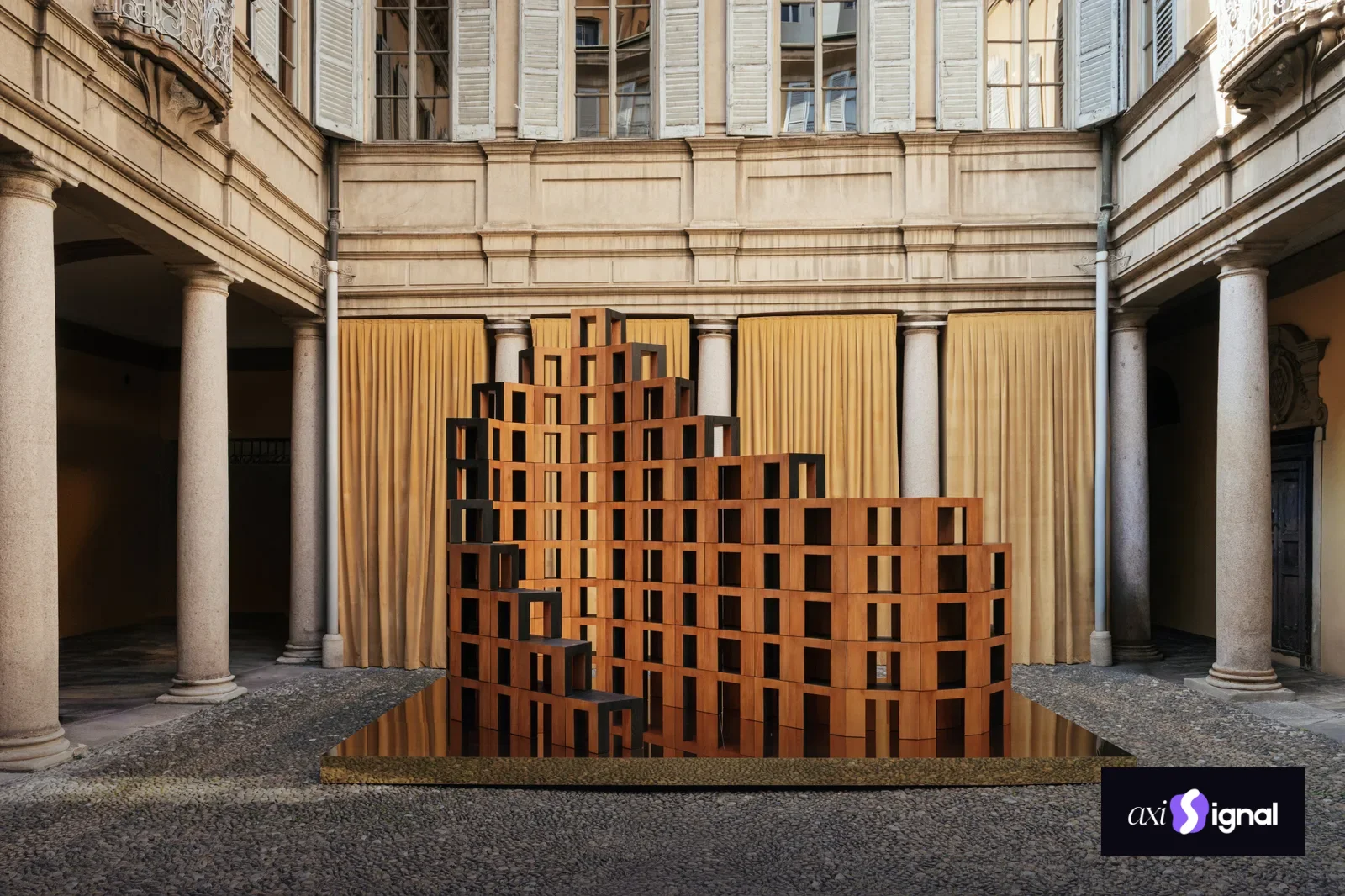
Wearstler revealed the collection in April at Palazzo Acerbi in Milan, presenting installations that turned historic rooms into staged interiors. Studio Boum assisted in translating the pieces into dramatic displays, from modular chairs stacked into a wave of timber forms to bouclé armchairs arranged like a plush mountain against a frescoed ceiling. The show made the collection’s practical ambition clear: pieces that can be recombined to fit different rooms and lifestyles.
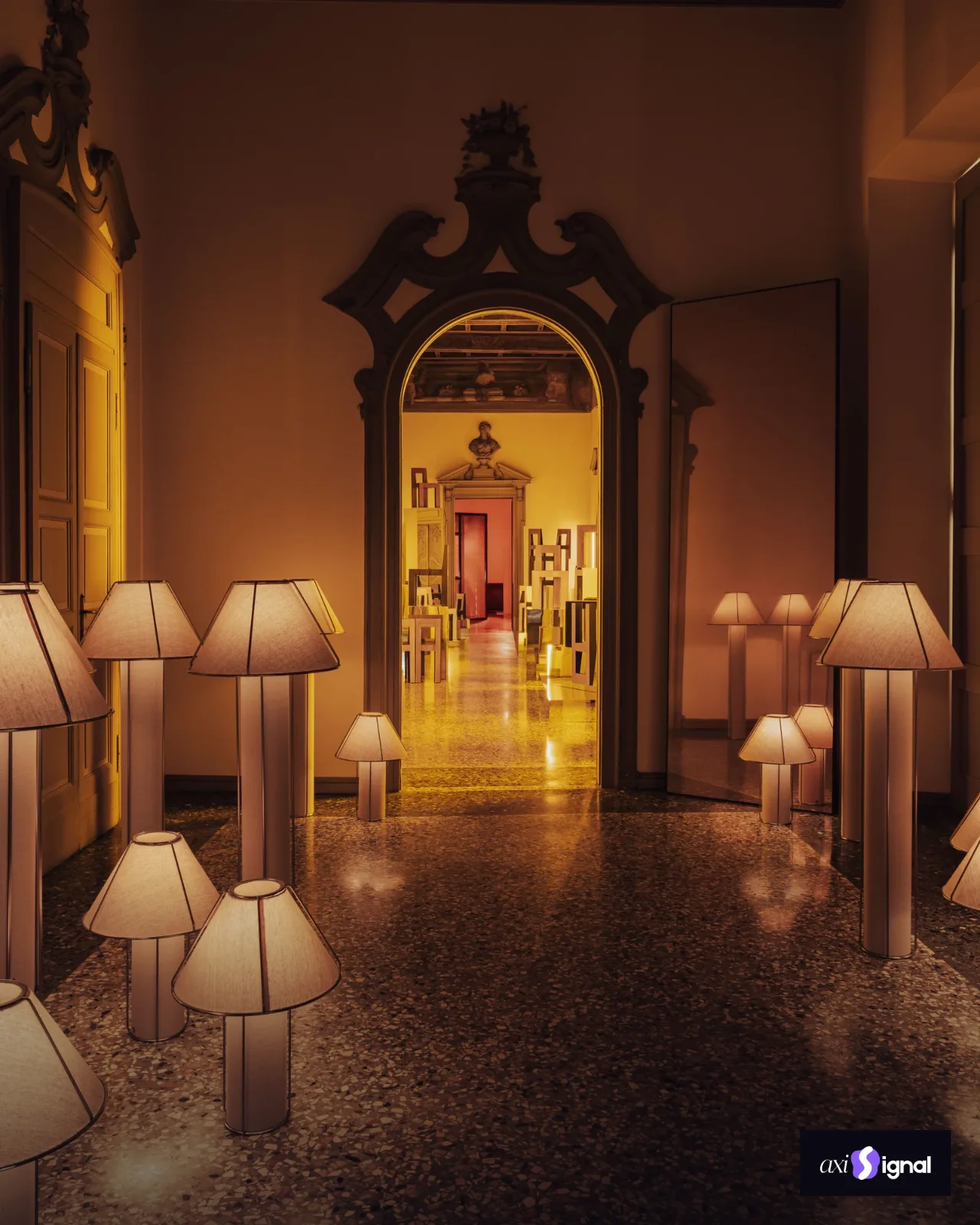
Wearstler framed the project around everyday ritual and adaptability. She described how sizing and other constraints on a mass-market collaboration pushed the design team to invent new configurations and simplify forms. The designer said, "We have limitations in all of our projects," and added that those limits helped sharpen creative choices.
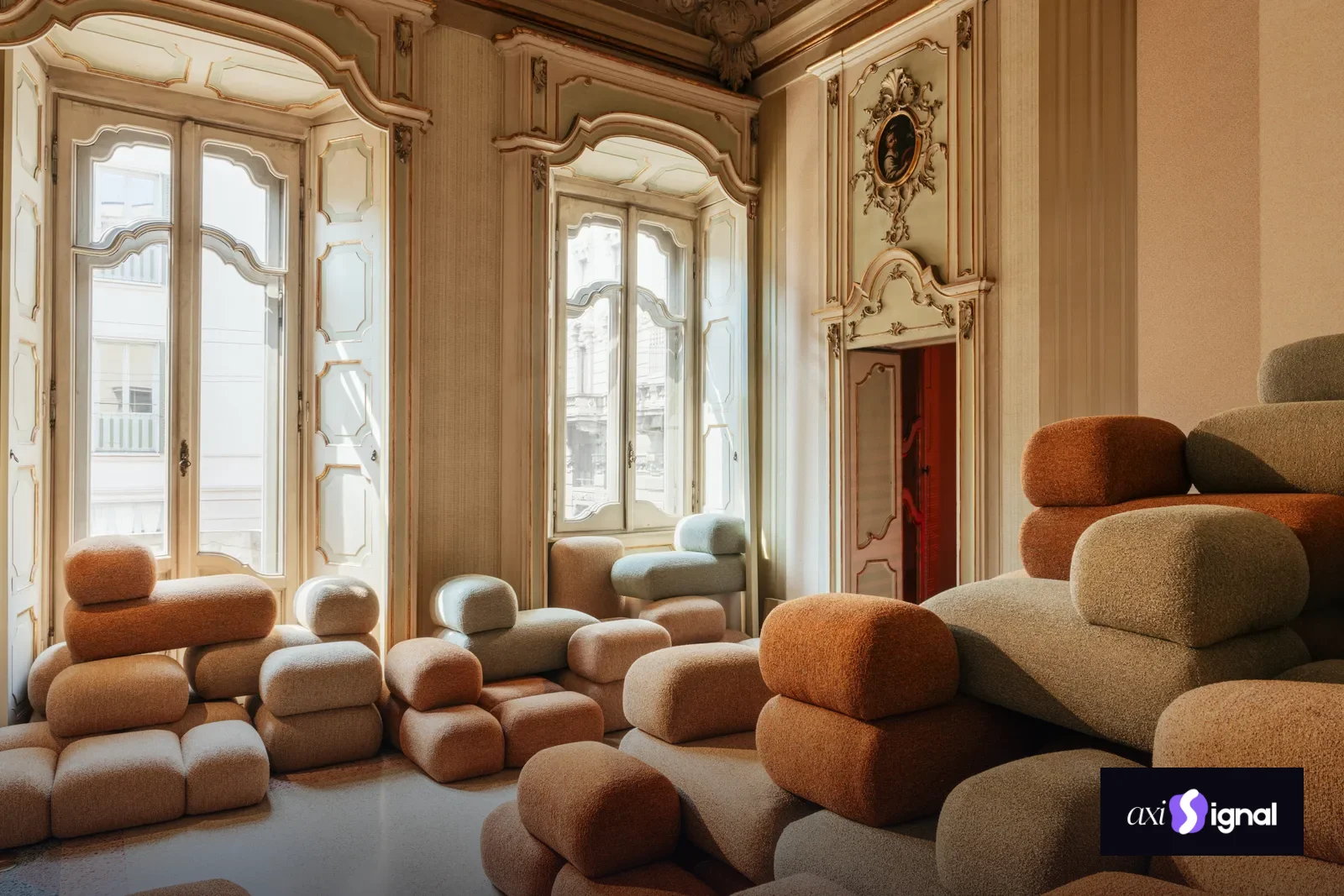
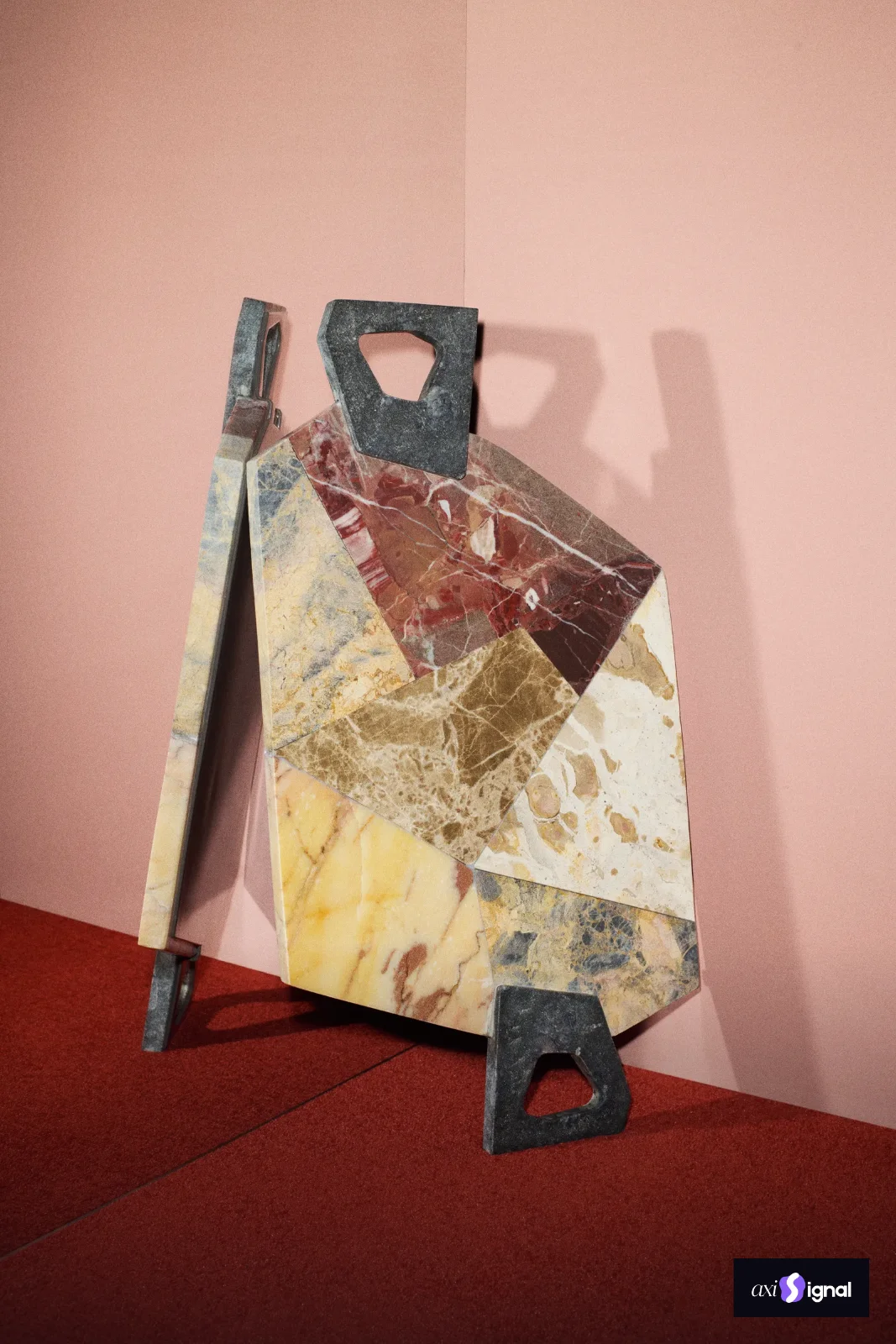
The collection blends surprising materials for the price bracket, using natural marble, poplar and pine woods, fused glass, and wool-cashmere throws. Wearstler summed the intent plainly, "It’s affordable, but the quality is still there," insisting the range preserves the standards of her residential and hospitality work while being reachable for many more people.
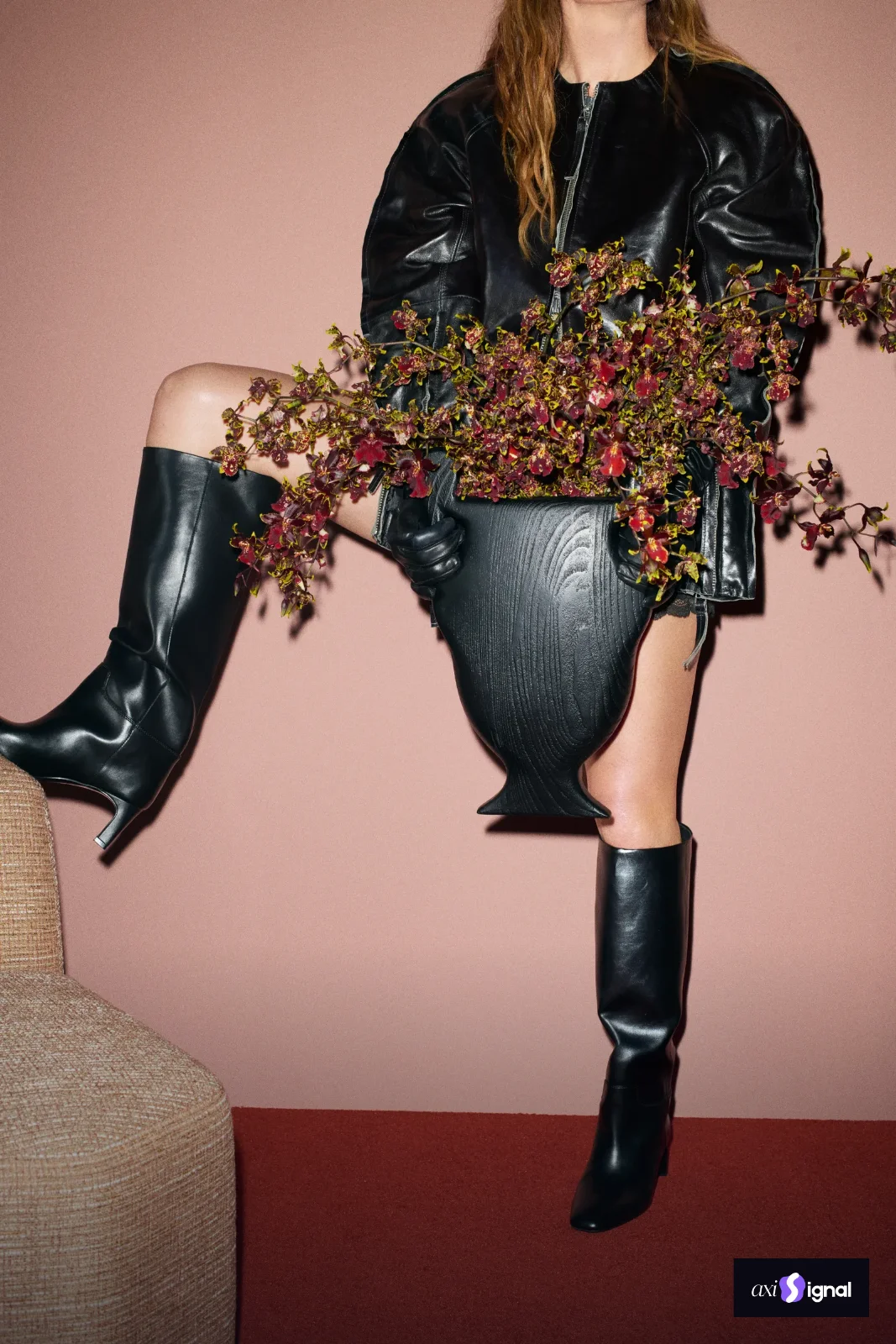
Fashion entered the project midway through development, after Wearstler asked H&M to extend the world she was building into clothing. The resulting capsule of apparel and home items makes the launch a 360-degree lifestyle statement rather than a single-category drop, reflecting Wearstler’s habit of designing uniforms for hotel projects.
Work on the collaboration began roughly 18 months before the Milan unveiling, and almost two years have passed since initial sketches. With the collection now live, shoppers can buy modular furnishings and coordinated garments that aim to bring a consistent design language into ordinary homes. The release repurposes high-end materials and techniques to fit H&M’s scale, testing whether established designer signals can translate into mass-market settings without losing their character.