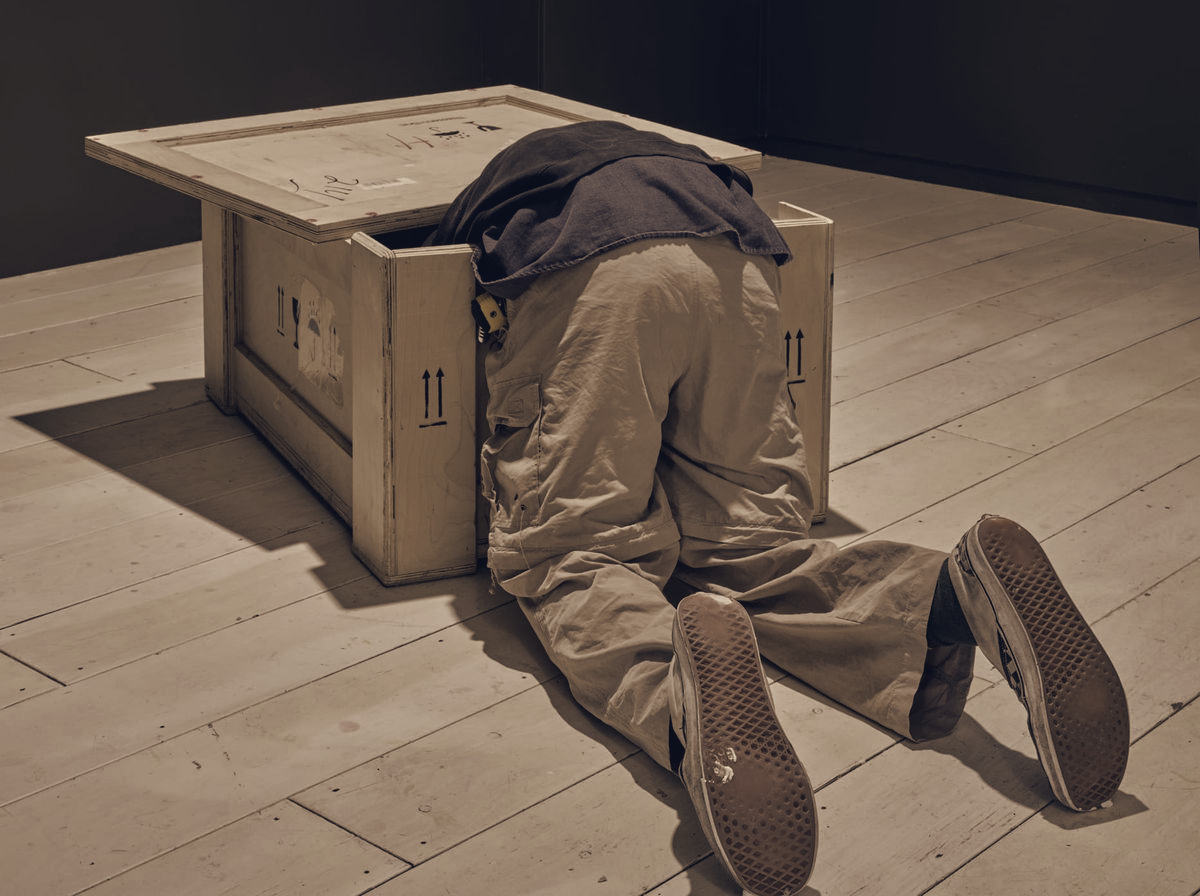

A Vancouver gallery now faces questions about safety and discretion after officers entered the space when a sculpture was mistaken for a person. Earlier this month a passerby dialed 911 after spotting what looked like legs jutting from a human-shaped work and reporting someone in need of help. Police responded and entered the gallery to check on the reported person, discovering the figure was an artwork rather than a human being.
The incident highlights the practical consequences of placing figurative, body-like pieces where they are visible from public walkways. When art mimics human form and posture, normal vigilance by passersby can produce emergency calls. Those calls, in turn, trigger law enforcement responses that risk property disruption, potential damage, and reputational fallout for institutions that display ambiguous pieces without clear context or warning.
For police, the episode presents a training and procedural question, about how to balance the duty to investigate potential medical emergencies with the need to avoid unnecessary forced entries. For galleries, it underlines the operational choices curators and managers make, about placement, lighting, and signage that can reduce misidentification. For artists, it surfaces the tension between making provocative, lifelike work and imposing real-world costs when viewers cannot immediately distinguish art from person.
Absent official statements or further public detail, the immediate factual record is simple: a passerby called for help, officers entered a gallery, and the reported subject proved to be a sculpture. The broader consequence is less tidy, and more urgent, than the single event: institutions that present humanlike forms in public view must weigh artistic intent against foreseeable public responses, and emergency services must consider how to calibrate responses to minimize avoidable escalations.
What happens next will depend on local follow-up, which may include internal reviews at the gallery and a reassessment of response practices by police, and on whether the parties involved change how similar works are displayed or signalled to the public.