Two Texas lawmakers face intensified criticism after Chris Brown publicly rejected a legislative recognition presented by state Rep. Venton Jones during the Arlington stop of an R&B co-headlining tour.
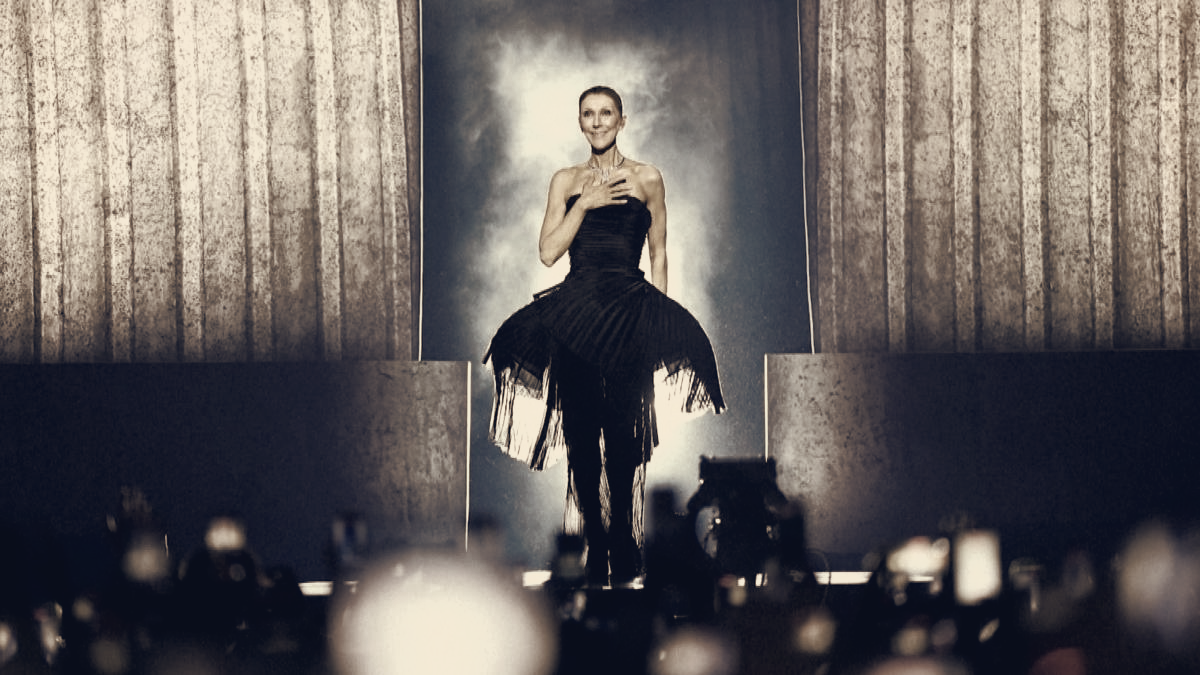
On Sept. 12 Rep. Jasmine Crockett joined Brown and Usher onstage at AT&T Stadium and announced congressional recognition for both artists, saying, "We are experiencing Black joy to the highest level," and that she wanted the moment documented at the congressional level. Jones then presented Brown a separate legislative recognition, a gesture that quickly drew criticism from within Texas' Democratic ranks as opponents pointed to Brown's past and questioned the wisdom of conferring official honours on an artist long associated with domestic violence.
Crockett has not issued a public statement this week. Jones later appeared on Don Lemon's show and apologised to domestic violence survivors, framing the appearance as part of voter mobilisation ahead of the midterms.
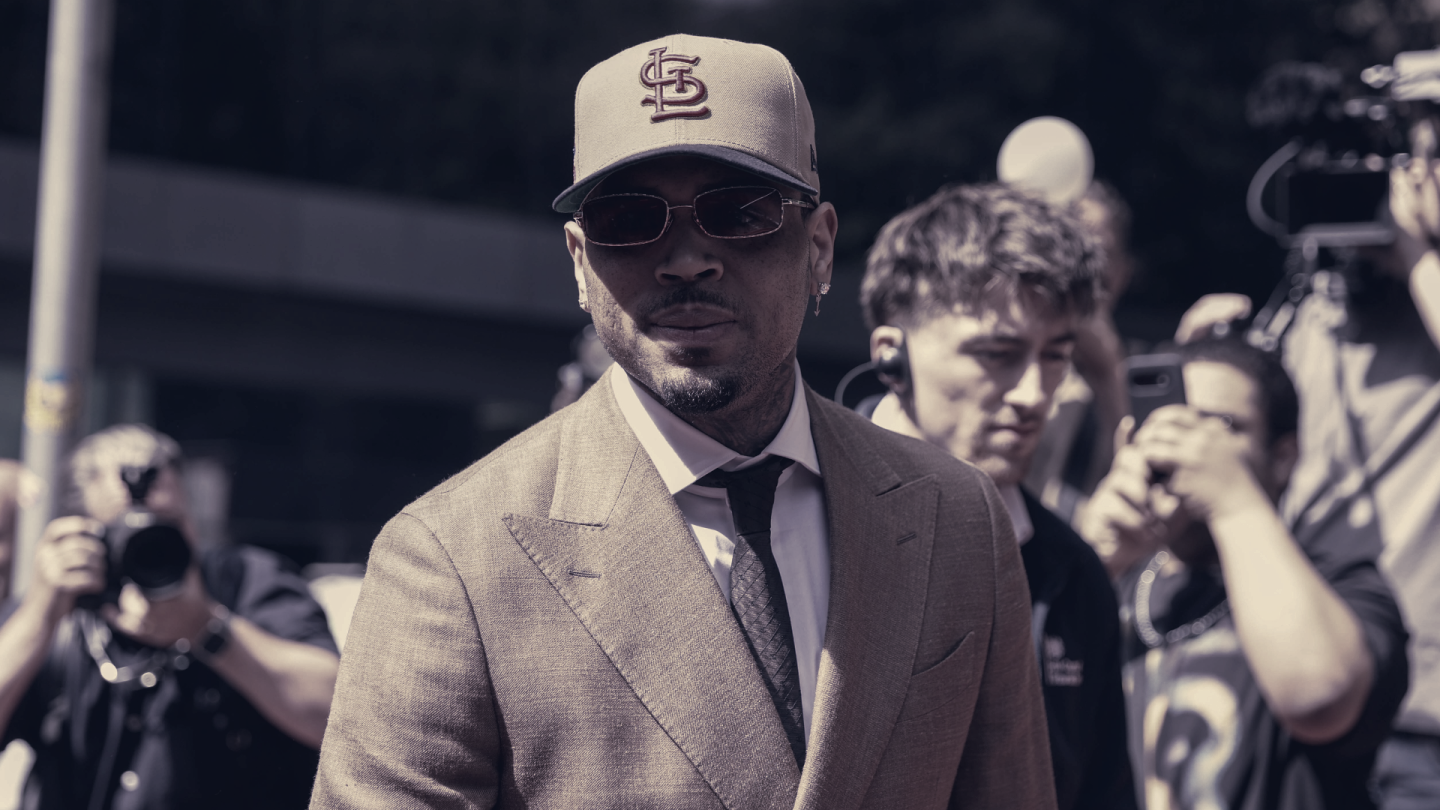
Brown took to Instagram to thank Crockett while distancing himself from Jones' response. He wrote to Crockett, "Thank you so much," and added, "I apologize for any backlash you have to deal with for awarding me. I'm not political but I move off of frequency and energy and I'm so grateful. ONCE AGAIN, THANK YOU." Addressing Jones directly, Brown wrote, "I don't want the award anymore my brother," and accused Jones of having "started tap dancing for them folk. Y'all keep that st." He also posted a now-deleted Instagram Story that pushed back on the idea the honour had been sought by him: "Funny thing is… Y'ALL CAME TO ME WITH THIS! NOT THE OTHER WAY AROUND. I was minding my damn business. My shows in Dallas were already sold out. I ain't [want] to be honored because I knew some st like this would happen…"
The public exchange has reopened attention to Brown's criminal record. He pleaded guilty in 2009 to the felony assault of Rihanna, and in July he entered a plea in a 2023 London nightclub case; he is currently awaiting sentencing in that matter.
The controversy leaves Crockett exposed to criticism from colleagues who question why congressional recognition was recorded at a concert, and it places Jones' judgment under scrutiny for accepting a visible role in the presentation and then addressing the fallout on national television. For Brown, the dispute keeps his legal and personal history prominent in media coverage while the incident complicates the political optics for Democratic lawmakers as campaigning intensifies ahead of the midterms.