
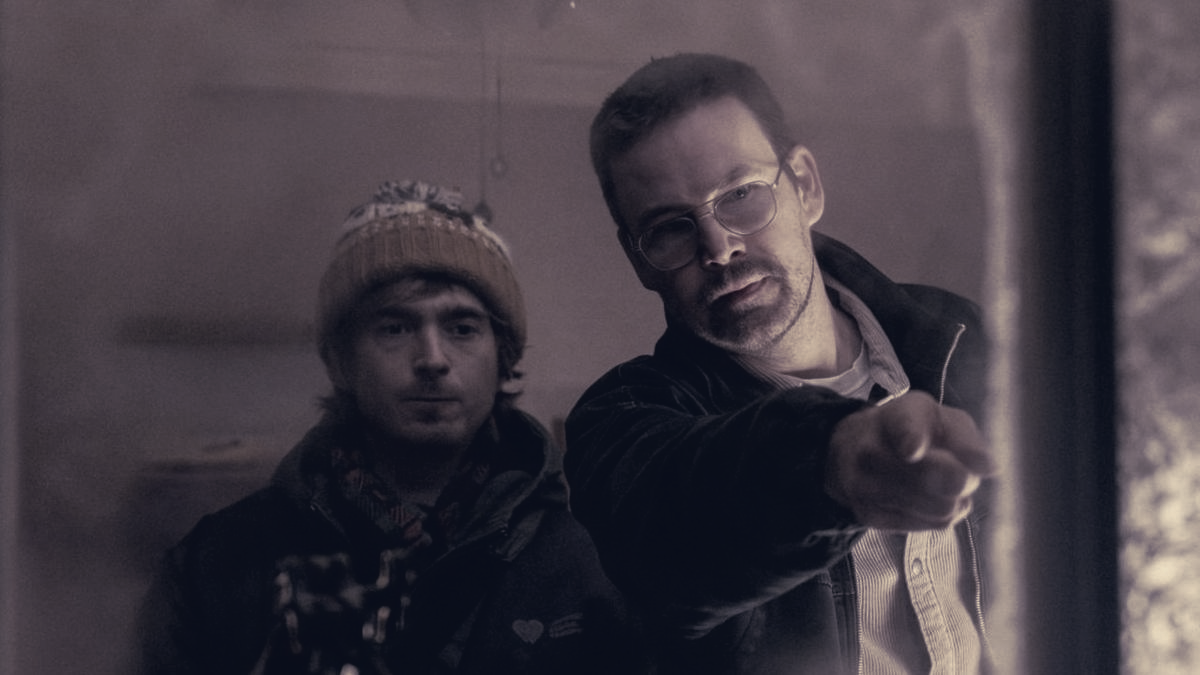
Zach Cregger has acknowledged an uncomfortable reality for filmmakers who adapt beloved games, saying he did not expect the intensity of the fan response to his Resident Evil feature. The movie has drawn favourable notices from critics, but Cregger’s admission highlights a sharper divide between critical appraisal and vocal fan opinion.
The gap matters because studio decisions now play out across social platforms where dedicated communities amplify disappointment and approval in equal measure. Cregger’s surprise at the backlash underscores that positive reviews alone do not guarantee a smooth reception among franchise devotees. For directors working from established properties, critical acclaim can coexist with entrenched resistance from core audiences who judge fidelity to source material and specific creative choices.
That split carries practical consequences. Filmmakers and studios risk misreading the priorities of a franchise’s most active fans when promotional strategies lean primarily toward critic-facing coverage. The public acknowledgement from Cregger may force teams behind high-profile adaptations to recalibrate how they communicate early, explain creative choices, and engage fan communities ahead of and after release.
At the same time, Cregger’s comments humanise the production process, showing that creators can be surprised by audience responses. Admitting misjudgement can soften some criticism, but it also draws attention to how future projects will be received. The director’s statement will now form part of the conversation around the film as it continues to reach broader viewers.
For now, the key outcome is clear: favourable critical reviews have not insulated this Resident Evil adaptation from fan scrutiny, and that tension will shape both public discussion and how studios approach similar adaptations in the future. Directors and producers will likely face continued pressure to navigate the competing demands of critics and committed fanbases as the film’s lifecycle continues.