What changes is the likelihood that a familiar weed will persist across generations of farmland and moorland. Writing from Stanhope, Weardale in his final Country Diary after 39 years and more than 500 columns, Phil Gates records how broad-leaved dock, Rumex obtusifolius, continued to stand green and vigorous through an exceptionally dry summer while nearby fields browned.
The Story in Pictures
Gates lists the traits that explain the plant’s performance: a deep taproot, rapid early spring growth and a dormant seed bank in the soil. Those buried seeds can remain viable for decades, he notes, and can be exposed later by burrowing animals. They require light to germinate, so a seed set now could be brought to the surface and grow, flower and set seed many years hence, potentially into the early 22nd century.
That long-lived reserve complicates attempts to control the species. An old farming saying warns that allowing plants to seed creates years of work removing them, and docks take that idea to an extreme: some of their seeds can remain alive in the earth for up to 80 years.
Gates also describes a direct ecological consequence of that persistence. A male bullfinch fed among the docks’ russet seedheads, providing what the writer judged to be enough food to sustain a family of bullfinches for months. The seeds are one important item in bullfinch diets, and dense stands of dock provide concentrated feeding opportunities when other plants have failed under drought.
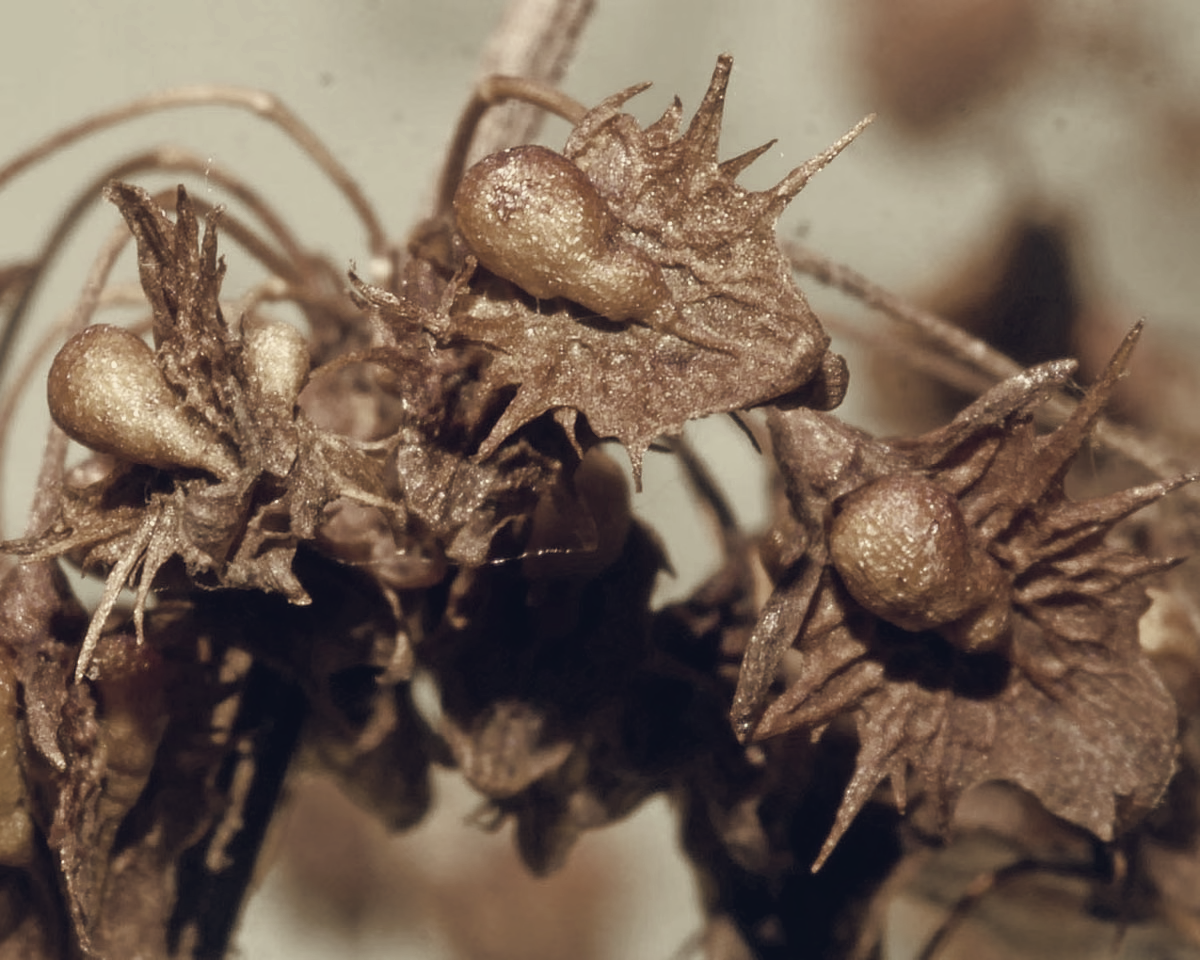
Beyond life-history detail, Gates frames a quieter lesson from his decades of observation. He writes that commonplace plants often hide intricate structures and overlooked beauty when examined closely with a hand lens. He describes the dock seeds as oblong, like the head and body of a tiny mouse atop a papery bract, the veins extending like claws, and recalls finding some of those clawed seeds hooked into his coat sleeves, a reminder that plants travel with us in autumn.
Gates closes this last diary by pointing to both practical and aesthetic consequences: docks are well equipped to survive hotter, drier summers and their long-lived seed bank means they will reappear long after a single season of seeding, and close, patient observation can reveal why even ordinary species matter to landscapes and to birds such as the bullfinch.