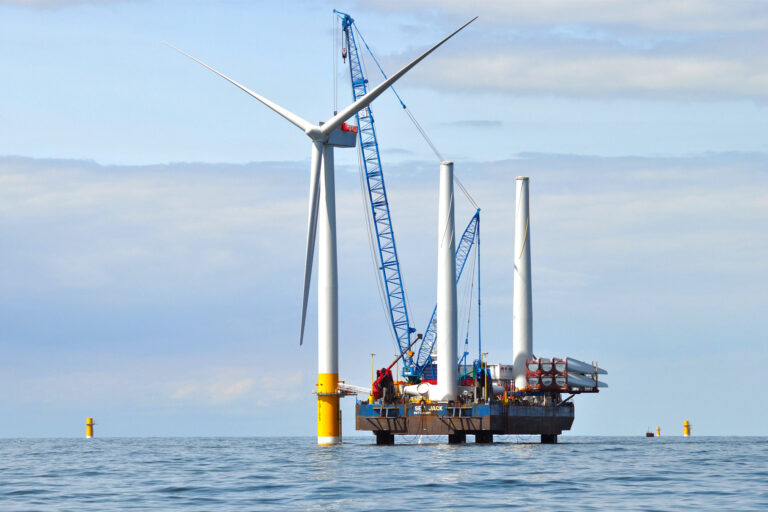
Marine ecosystems stand to gain protected habitat even as they face new risks from a rapid build-out of offshore wind. The industry is expanding after two decades of growth, and experts say the energy source is essential for cutting emissions. At the same time, the physical footprint and life-cycle impacts of turbines and associated infrastructure can harm wildlife unless projects are sited and built with ecological safeguards.
Proponents point to benefits that emerge once farms are in place. Turbine arrays often exclude fishing, including destructive bottom trawling, which can create de facto marine reserves. The structures themselves can function as artificial reefs, offering shelter for fish species such as sharks and rays and for crustaceans that find new habitat among turbine bases.
Those potential gains sit alongside documented harms. Construction, maintenance and decommissioning disturb the seabed and introduce noise and vessel traffic. Birds and bats face collision risk and loss of foraging or nesting habitat, while some marine mammals avoid wind farms or alter their behaviour in response to the new installations.
Conservation concerns are concrete at certain sites. Bass Rock hosts the world’s largest colony of northern gannets, Morus bassanus, and planned developments nearby are expected to affect not only gannets but also guillemots, kittiwakes, razorbills and puffins. The Berwick Bank Wind Farm is named as a project likely to have significant impacts on these seabird populations, highlighting the trade-offs that accompany site selection.
Earlier pieces in this series outlined the sector’s untapped generation potential and the scaling challenges that must be overcome to meet climate goals. This instalment focuses on the ecological trade-offs that follow rapid deployment. The balance is not predetermined: careful planning, tight construction standards and ongoing monitoring can reduce harm, while poor siting and weak mitigation will magnify losses.
What happens next will determine whether offshore wind can deliver both climate benefits and healthier seas. As farms proliferate, regulators, developers and conservationists will need to weigh where turbines go, how they are built and how operations are managed to protect vulnerable species and habitats.