
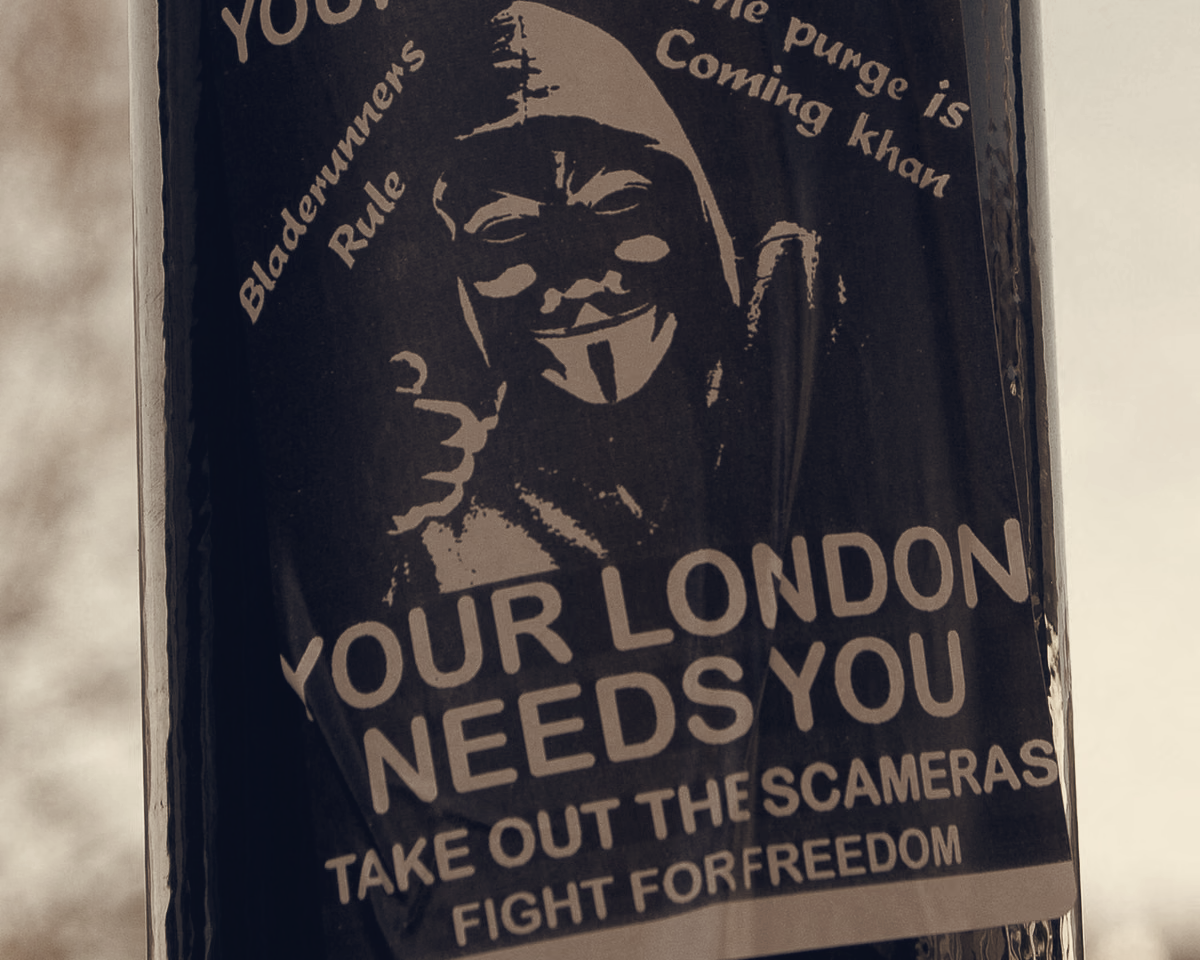
Traffic detectors that help manage junctions are being damaged in towns across the UK, prompting arrests, police appeals and warnings from local authorities about the risks to road users. Video posted on 28 August showed an older woman on an extendable ladder cutting wires on a set of lights in Ilfracombe, Devon, and two people seen in that footage were later arrested and released on bail on suspicion of criminal damage and of creating a danger to road users.
The Story in Pictures
The individuals involved describe themselves as supporters of a loose movement known online as Blade Runners. Members and sympathisers have targeted roadside equipment beyond Ilfracombe, including Ulez cameras in London, and have been linked to sporadic attacks on 5G masts. In May police in Cambridge asked the public for information after nearly 200 detector units were damaged, while in Sleaford ten units were vandalised in a single week. In County Durham a pensioner is due to face trial accused of damaging detectors on eight sets of traffic lights.
The activists say the sensors are not benign traffic tools but part of a larger surveillance apparatus, and some claim harmful health effects. Academics who study conspiracist thinking place those fears in a wider narrative, sometimes called the great reset, that pulls disparate anxieties about technology and data collection into a single story. Clare Birchall, professor of contemporary culture at King’s College London, says such super-conspiracies help people make sense of a sense of disenfranchisement over data collection.
Researchers and road-safety advocates dispute the activists’ technical claims. Susan Grant-Muller, professor of technologies and informatics at the University of Leeds’s Institute for Transport Studies, notes that this kind of detector technology has existed in basic form since the late 1970s. "The cameras aren’t recording any personal information at all," she said, adding that detectors register the presence of vehicles or pedestrians and measure queue lengths rather than capturing faces or vehicle details. Tanya Braun, director of external affairs at Living Streets, said better monitoring can improve pedestrian safety when used as part of a wider road-safety approach.
Psychologists who study misinformation say conspiracies can harden after frightening or disruptive events, because attributing harm to bad actors is psychologically comforting. Stephan Lewandowsky, chair in cognitive psychology at the University of Bristol, has noted that such attributions help some people feel they can understand and control a chaotic world. For now councils and police forces are urging the public to report attacks and are pursuing investigations and prosecutions as damaged equipment is replaced and cameras are repaired.