
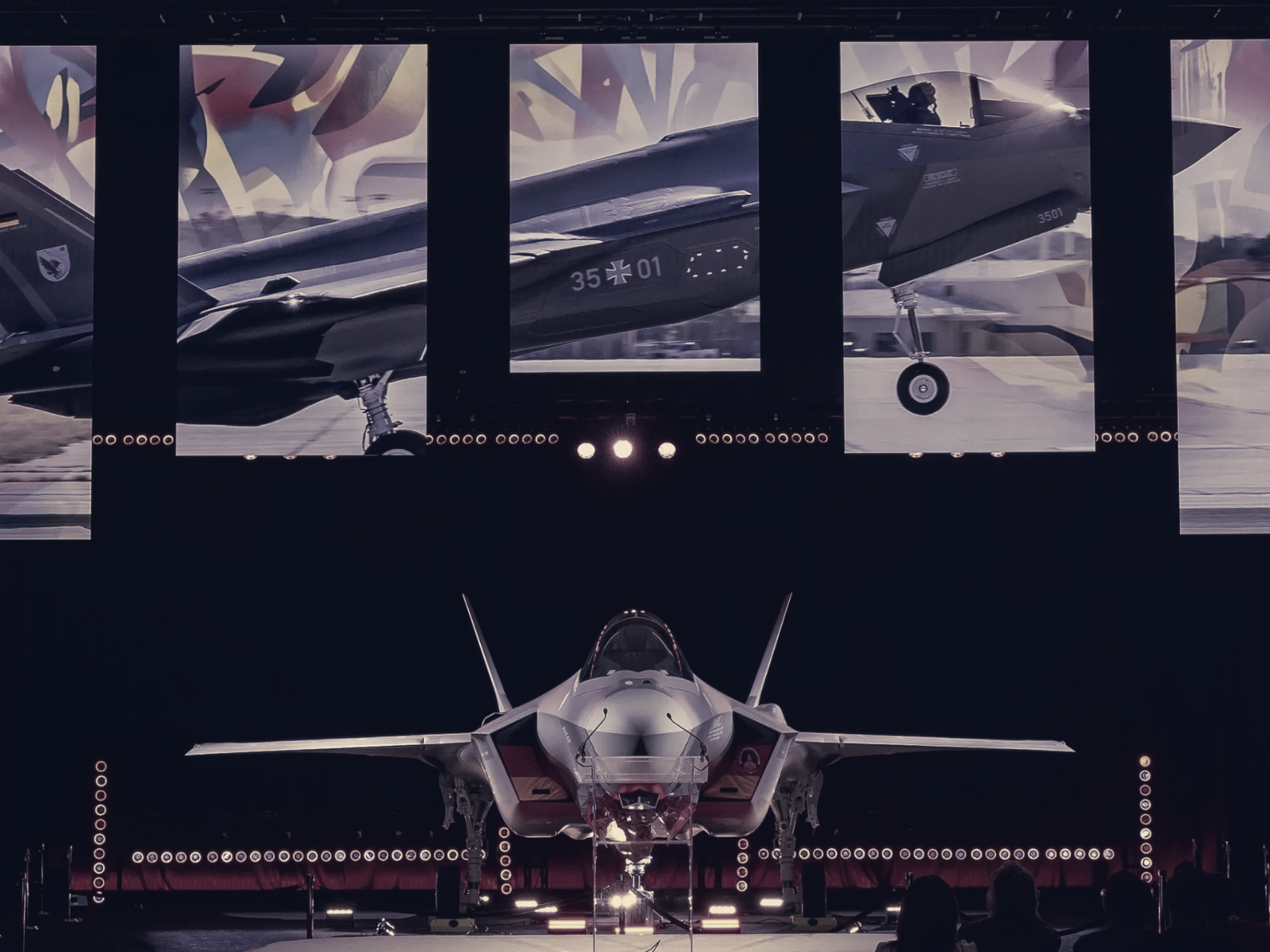
Germany has taken delivery of its first F-35 stealth fighter from the United States, marking the start of a multiaircraft acquisition ordered four years ago from Lockheed Martin. The arrival of this initial jet converts a procurement decision into a tangible change in Germany’s military inventory, with further aircraft expected to follow to complete the purchase of nearly three dozen fighters.
The delivery is taking place amid a broader rise in NATO defence expenditure. That allied increase in spending frames the arrival as part of a wider effort by member states to boost capabilities, rather than an isolated transfer. For Germany, the F-35 brings a stealth platform that will need integration into existing structures, training for pilots and maintenance crews, and updates to logistics and command networks.
For Lockheed Martin, the handover represents progress toward meeting its contract obligations under the order placed four years earlier. For the United States, the transfer is the first export milestone in the programme for Germany, converting years of planning and contracting into operational hardware on European soil.
The immediate operational impact will depend on how quickly Germany fields the remaining jets and adapts its force structure and training pipelines to the F-35’s systems. As NATO raises defence budgets, this delivery underlines the alliance’s current trajectory toward reinforcing air and strike capabilities across member states. The subsequent schedule of deliveries and the pace of integration will determine how rapidly Germany can leverage the F-35s within NATO’s collective posture.