
North American consumers face higher bills as Canada and the United States exchange retaliatory tariffs of 25% to 50% across hundreds of products, with paper goods among the most exposed. The dispute escalated after trade talks broke down, and Canada unveiled a list of nearly 900 American items that will face new duties beginning on 8 September. Mark Carney, the Canadian prime minister, vowed to match US tariffs "dollar for dollar."
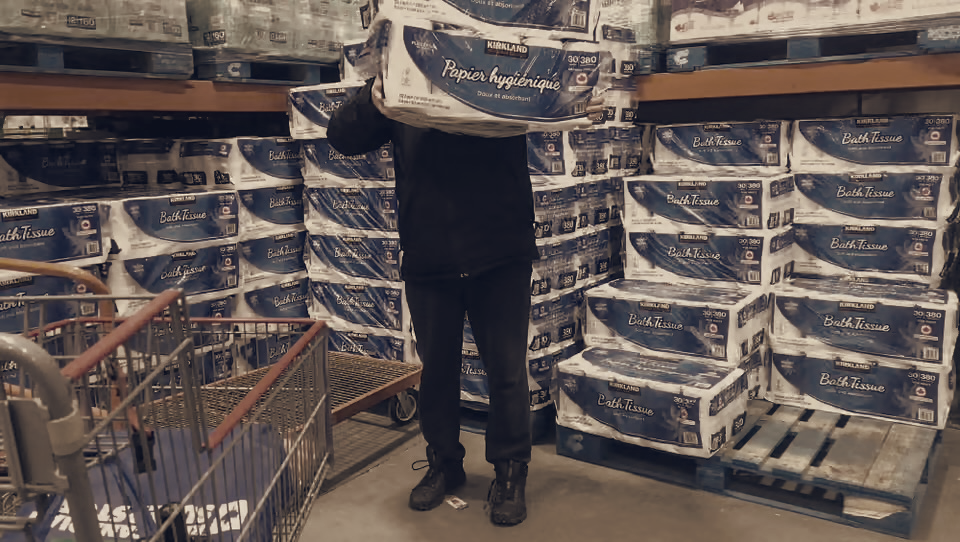
Paper products sit high on the retaliation list. Ottawa is threatening levies of between 25% and 50% on "toilet paper or face tissue stock" in response to a 50% tariff imposed by Washington. That threat matters because, while many US-branded tissues are finished domestically, manufacturers depend on Canadian lumber and shipments of raw material and finished rolls.
The trade figures underline the exposure. The United States imported $328m worth of toilet paper from Canada in 2024, making Canada the single largest exporter of the product to the US. Retail chains such as Costco source a substantial share of their paper lines from Canadian suppliers. Procter & Gamble said last year it would have to increase prices amid tariffs that were in place at the time, a warning that suggests consumer prices could rise again.
Consumption patterns amplify the impact. The US accounts for more than 20% of global tissue consumption despite having only 4% of the world’s population. The average American uses 141 rolls of toilet paper per year, just ahead of Germans at 134 rolls, so any cost shock to tissue supply reverberates widely.
The dispute has already broadened beyond paper. Washington has applied a 50% tariff on many Canadian dairy products, excluding Canadian cheese, and imposed duties on Canadian liquor, including Crown Royal and Canadian Club. Canada responded with a 50% tariff on American dairy and a 25% tariff on American cheese, and introduced a 25% levy on US fish and seafood, including frozen lobster. Republican senator Susan Collins called the move "a mistake."
Provinces on the Canadian side introduced bans on American alcohol as a separate, retaliatory measure. Donald Trump cited those provincial bans as part of his legal rationale for his tariffs. Mark Carney has urged provincial leaders to consider returning American liquor to shelves, but Nova Scotia premier Tim Houston warned, "Whether Nova Scotians or Canadians will actually buy it when it’s back on the shelves, that’s a whole other discussion."
The tariff program also targets autos and parts, with a 25% duty set to affect US manufacturers that rely on Canadian components. The president has threatened to raise that to 50% if no deal is reached by 1 January 2027. Negotiations offer the only clear path to de-escalation, but with talks stalled it remains unclear when duties will be removed. The US trade representative Jamieson Greer dismissed consumer impact, saying, "The fundamentals are good," and, "I don’t think this is going to affect anything." The coming months, and the 2027 deadline, will determine whether those assurances hold or households see the cost of everyday goods climb.