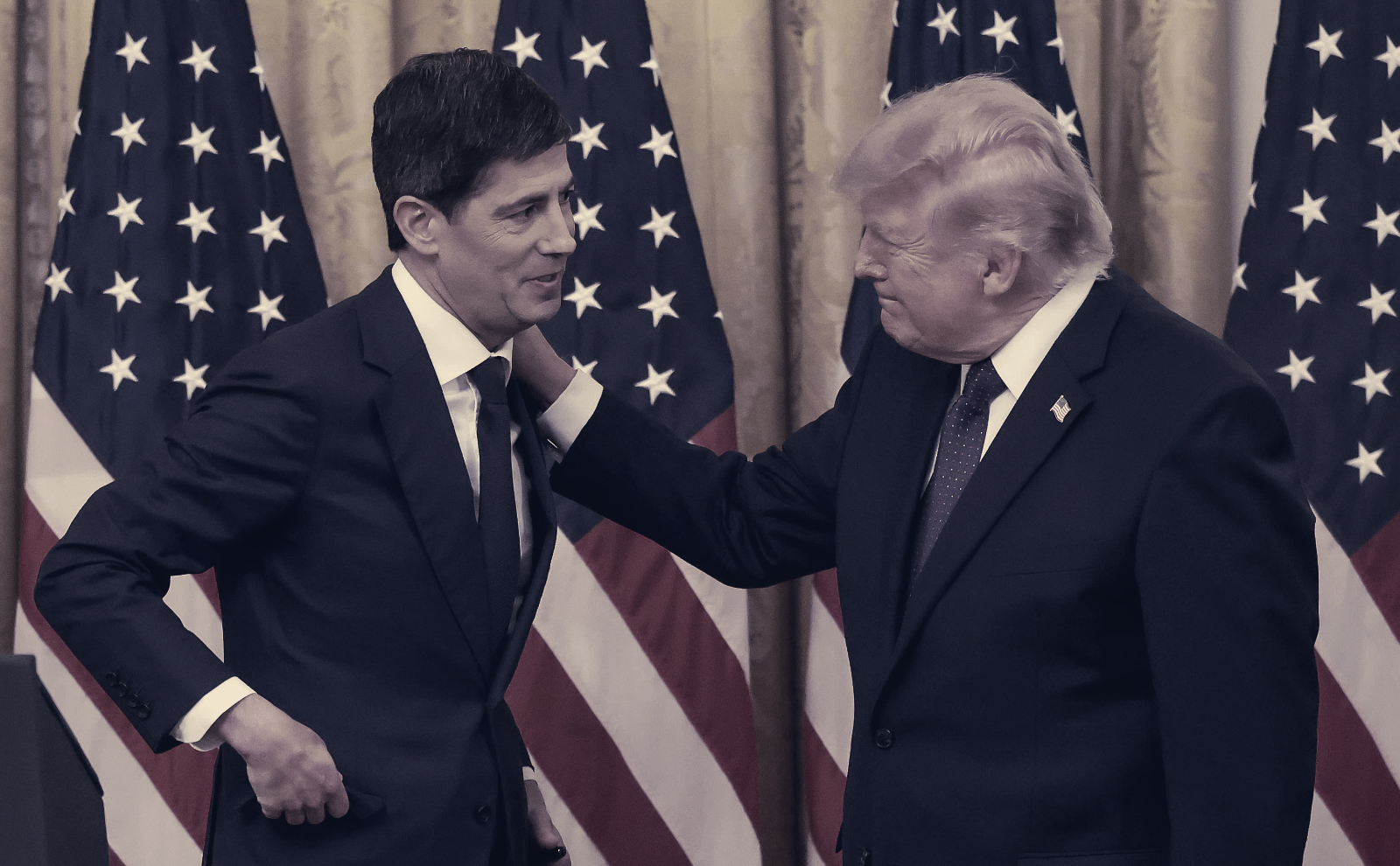
What changes is the Federal Reserve's standing as an independent guardian of price stability. Inflation remains above the central bank's goal and markets now expect at least three rate increases through March next year, putting pressure on Kevin Warsh to approve what would be the Fed's first rate rise since 2023. The choice before the chair is therefore not only technical, it is reputational.
Two external policy shocks have reduced the room to treat recent price swings as temporary. Military action in the Middle East has coincided with crude trading near $100 a barrel and a temporary shutdown of a Saudi pipeline, moves that pushed diesel prices close to $6 a gallon and risk feeding through to transport and food costs. At the same time, new and threatened tariffs, including fresh levies on Canada, add another source of upward pressure and uncertainty for firms and households.
Those developments are changing internal Fed discussions. Minneapolis Fed President Neel Kashkari said he first thought policymakers could "look through" a one-time supply shock, but now, "I increasingly believe that monetary policy does have an important role to play in addressing a series of successive supply shocks that might lead to entrenched higher inflation." Former Vice Chair Roger Ferguson warned markets that "everything is pointing in the direction of September as a time to move if Warsh and his colleagues are going to maintain credibility." Warsh himself told attendees at Jackson Hole that if officials were not confident underlying inflation was falling, they would have "work to do."
Politics complicates the calculus. The president has publicly argued for lower rates and nominated Warsh to the chair, a combination critics say makes the current decision an explicit test of the chair's independence. If the Fed moves now, it will signal a willingness to prioritise price stability even when administration policy may be contributing to inflationary forces. If it waits, markets could interpret that as a weakening of resolve, with implications for future inflation expectations and financial conditions.
The immediate outcome is a decision expected this week that will affect short-term interest-rate paths and shape perceptions of the central bank's authority. Whatever Warsh chooses will reverberate through bond markets, corporate planning and the political debate over monetary policy.