
Staff at some U.S. restaurants now earn steady, higher wages while customers see noticeably higher menu prices as owners scrap tipping. At La Cigale in San Francisco, wine waiter Caroline Kraetzer makes $40 (£30) an hour, a rate the restaurant says is roughly double what most service staff in the city earn. La Cigale also charges a set price of $140 (£100) per person and no longer accepts tips, making compensation part of the posted cost of dining.
Kraetzer welcomes the predictability. She says she no longer has to be "reliant on the generosity of strangers to pay the bills" and notes that tipped servers often work unpaid hours before and after service, when they earn only minimum wage. Those unpaid stretches shape the economics of service jobs even when tips can be lucrative for peak shifts.
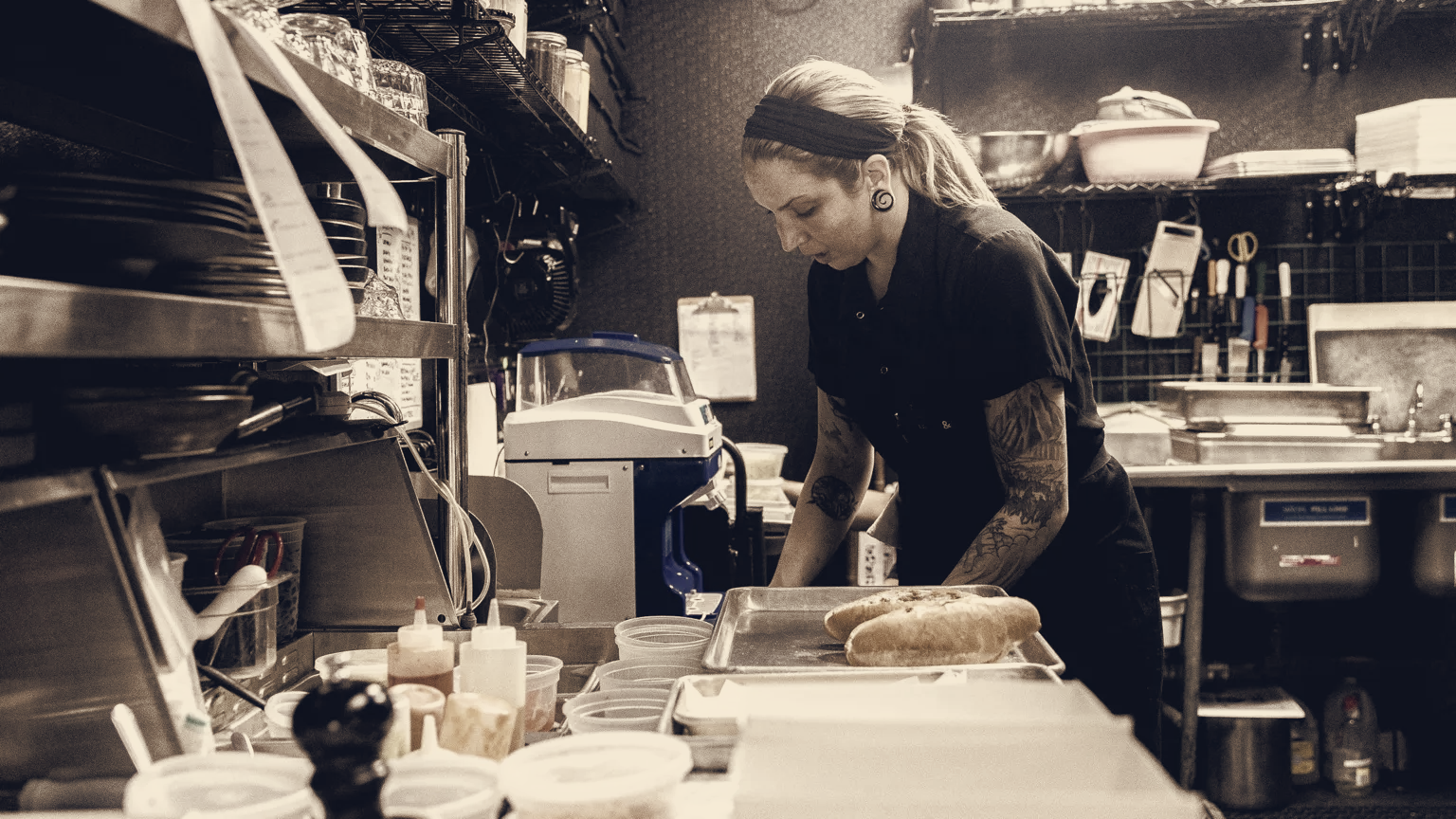
In Lynn, Massachusetts, chef-owner Rachel Miller moved Nightshade Noodle Bar to a tip-free model five years ago when the restaurant reopened after the Covid-19 pandemic. Miller says the change corrected a long-standing imbalance, where "the people breaking their backs and minds in the kitchen - often the least visible and the least celebrated - were taking home a fraction of what the front staff made on tips for the same hours." She also said she found it "deeply unsettling" that higher tips tended to go to white male staff, and that "tipping lets guests, consciously or not, pay people differently based on gender, race, or sexuality and I was not willing to let that decide my team's income." To support higher pay, Nightshade raised prices; its tasting menus now start from $102 (£75) for seven courses before 18:00, and $126 (£92) for nine courses.
Not every experiment has held. Talulla in Cambridge, Massachusetts eliminated tipping in 2020 to pursue more equitable pay, but reverted in September of last year. Co-owner Danielle Ayer says an attempted 23% menu-price increase could not sustain the model year-round, and that "Operating a non-tipped restaurant is more expensive overall." The economic mechanics are simple: tips are not recorded as restaurant revenue, higher menu prices are, and that raises reported revenue along with sales tax liabilities.
Experts warn the visible price shift can reduce demand. William Michael Lynn, a Cornell professor and author of The Psychology of Tipping, says consumers "do not adequately take into account that they are no longer tipping" when they see higher menus, and that "higher menu prices make dining out seem more expensive" which "leads to lower demand." He also cautions that many servers prefer the upside of tips, making recruitment and retention harder for tipless operators, and that overall, the economic disadvantages of eliminating tipping may outweigh the advantages for widespread adoption.
Some restaurants have held firm. Dirt Candy in New York banned tipping in 2015 and now pays staff around $30 an hour, a change its owner, Amanda Cohen, says many diners welcome because they are "pleasantly surprised when they realise they don't have to tip 20% on top." Filmmaker Cassidy Van der Kamp documented a similar switch in Oakland; she was paid about $10 an hour plus tips before a change and earned $21 per hour after, saying the steadier wage meant "I had stability for the first time as I knew what I was earning… and I didn't need to look at a low tip and think what did I do wrong?"
For owners who succeed, the clear payoff is retention. Miller says the decisive metric at Nightshade is staff longevity: "Turnover in this industry is brutal, and we have people who have been here since we made the change. It has proven to be highly valued by my guests and team." For the broader industry, however, the trade-offs between visible prices, taxable revenues, customer demand and staff preferences mean the tipless experiment will likely continue in pockets rather than replace tipping across the sector.