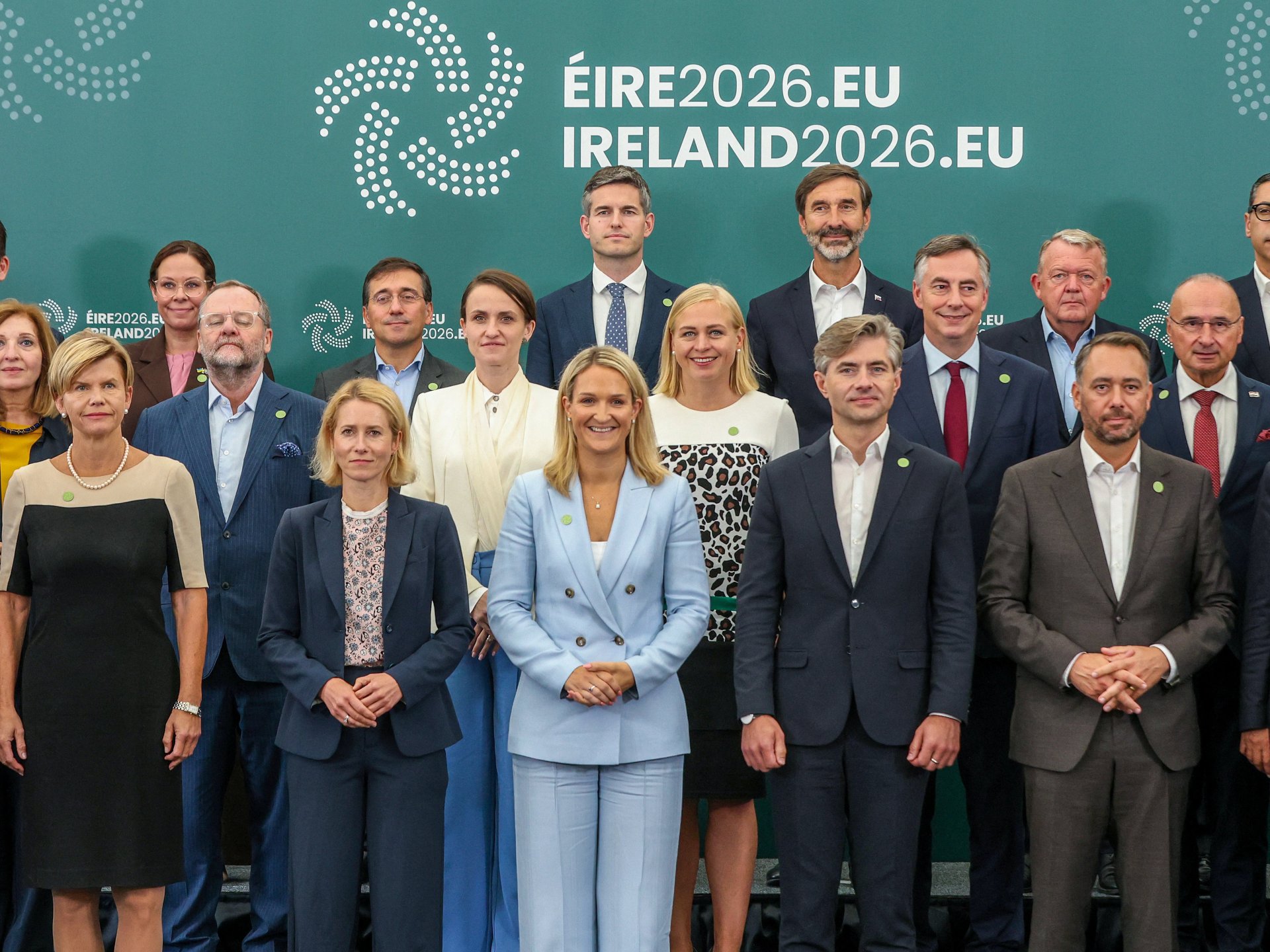

At the informal Gymnich meeting on September 1-2, Ireland, which holds the EU Council presidency, and Spain pressed for EU-wide trade restrictions on goods from Israeli settlements in the occupied West Bank. Dublin said the bloc’s credibility depends on applying international law consistently, and highlighted what it sees as a gap between tough measures used against Russia and a reluctance to act on Israel amid what Dublin describes as ongoing genocide in Gaza and rising settler violence.
“We have reached an impasse,” Ireland’s Foreign Minister Helen McEntee said, summing up the gathering. France also urged a firmer line, with French Foreign Minister Jean-Noel Barrot telling reporters, “Condemnations from Israeli officials have been a good start, but they are not enough,” referring to comments by Israel’s National Security Minister Itamar Ben-Gvir.
But several member states, including Germany and Hungary, opposed the sanctions proposal, blocking unanimity and preventing the EU from moving forward. The standoff matters because the EU is Israel’s largest trading partner, with bilateral trade standing at more than $50bn.
Ukraine dominated much of the first day. Kyiv renewed calls for more air defence systems as Russia’s full-scale invasion enters its fifth year and missile and drone strikes continue. Greece and Spain opposed using common EU funds to buy additional interceptors and missiles, and ministers left without the extra systems Ukraine sought. Ukraine’s Foreign Minister Andrii Sybiha appealed directly to European media, warning delays would increase the cost of inaction, but ministers still failed to bridge their differences.
Another split emerged over using frozen Russian sovereign assets to finance Ukraine’s military effort. Poland, Sweden, Denmark and the Netherlands advocated tapping those funds, while Belgium, which holds the largest share, resisted on legal and financial grounds.
Ministers also discussed broader Middle East security. The US-Israel war on Iran, now in its seventh month, continues to shape Europe’s calculations, and the meeting weighed contingencies as energy and regional stability concerns mount. Delegates considered a possible EU mission to train the Lebanese army as the UNIFIL mandate ends this year. On August 30, EU forces in the Mediterranean boarded a tanker suspected of links to Russia’s so-called shadow fleet, part of efforts to enforce sanctions on Moscow.
Internal tensions surfaced too. Italy imposed enhanced checks on travellers from Spain after a migration dispute tied to arrivals in Ceuta, prompting reciprocal measures from Madrid. Spanish Foreign Minister Jose Manuel Albares urged other member states to back Spain’s position.
The Wicklow talks ended with no consensus on either Israel or Ukraine, keeping key proposals in limbo and underscoring fractures that will shape follow-up negotiations in Brussels and beyond.