Israeli culture minister Miki Zohar has asked the Interior Ministry and security investigators to examine whether the creators of the documentary Naza should lose their Israeli citizenship, setting in motion a legal pathway that could, if evidence meets the statutory threshold, lead to revocation.
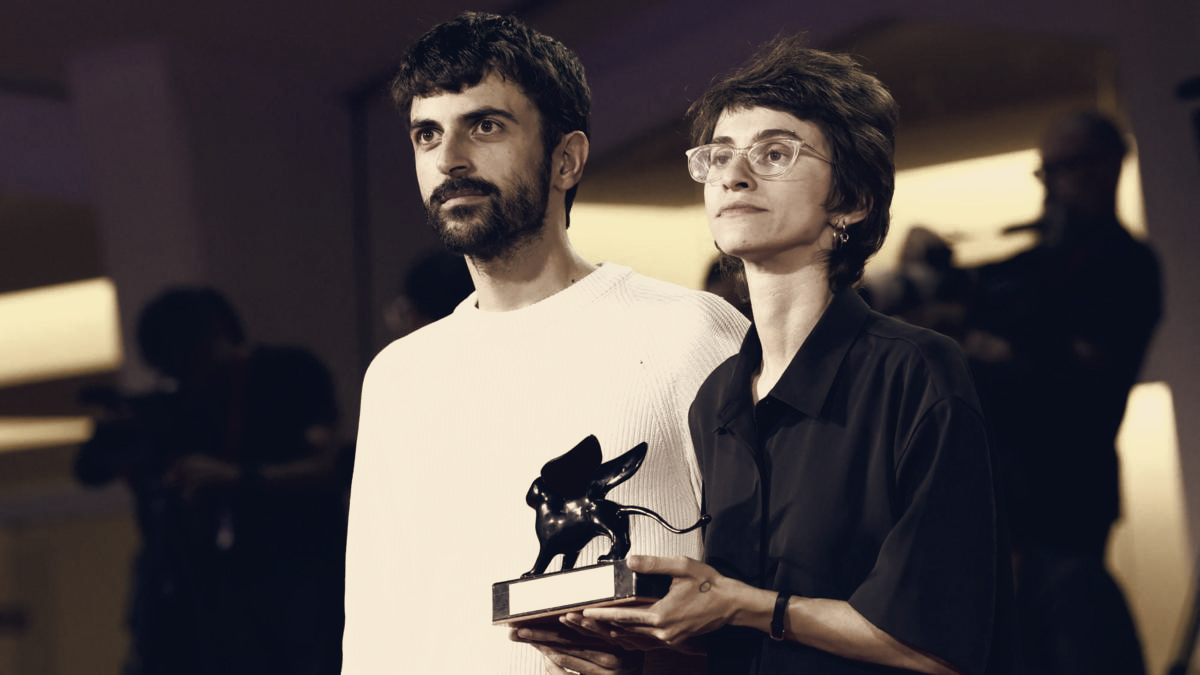
Zohar asked officials to look into how the film's material was obtained, who compiled it, and whether any steps in assembling or publishing the documentary amount to a breach of allegiance to the state. His intervention followed the film's Venice Film Festival premiere, where Naza received a lengthy standing ovation and won a special jury prize.
Naza features on-camera testimony from 24 unnamed Israeli military and intelligence officers who, the filmmakers say, explain targeting systems used by the Israel Defense Forces in Gaza. The film, produced with the Guardian, accuses the army of mass civilian killing during the campaign after the Hamas-led 7 October attack; its official synopsis describes the reporting as revealing the systems behind "calculated mass killing of Palestinian civilians in Gaza."
The draft includes stark casualty figures the film addresses: Gaza's Hamas-run health ministry, numbers the UN considers reliable, records more than 73,000 Palestinian deaths, including over 20,000 children. The Hamas assault on 7 October killed about 1,200 people and left 251 taken hostage, figures widely cited in coverage of the war.
One interviewee in the documentary is reported to say an attack approval sought to kill 500 people to eliminate "one human target," an allegation the IDF called "completely false." The military initially said it "categorically rejects" the allegations. Brig-Gen Effie Defrin, the IDF spokesperson, urged a fact-based discussion and invited the filmmakers to show the completed film, saying, "The film 'Naza' has not yet been released in full. However, based on what can be seen in promotional material, it presents a series of serious and false allegations regarding the IDF and its personnel. To enable a substantive, professional, and fact-based discussion, rather than one based on misleading portrayals, I invite the filmmakers to allow IDF representatives to view the film in full so that we can address each of the allegations it raises on merits."
The directors, Yuval Abraham and Rachel Szor, have not issued an immediate official reply to Zohar's request. At Venice, Abraham defended the documentary as "rigorous" and characterised efforts to discredit it as "attempts to not face reality." He told the Associated Press the film shows the war has principally been killing civilians and contends the evidence points to systemic, not accidental, patterns.
Political figures have sharply criticised the film, while more than 700 members of the Israeli film industry signed a petition defending the filmmakers. Actor and screenwriter Shlomi Elkabetz said the questions the film raises "must be examined, not silenced." The film has not yet been released to the wider public.
Zohar's request launches a formal route for prosecutors and ministers to evaluate whether the Citizenship Law applies, a measure rarely used in practice. If authorities decide the legal standard is met, the case could move from inquiry to prosecution or administrative steps, forcing courts and officials to confront both the substance of the documentary's allegations and the wider balance between national security and artistic expression.