Local officials have said more than 300 people remain missing, yet a later list from Russia's human rights commissioner named 517 individuals, a compilation relatives say mixed up names of the missing with those searching for them. The discrepancy has deepened frustration among families who spent months without phone or internet contact with communities captured by Ukrainian forces.
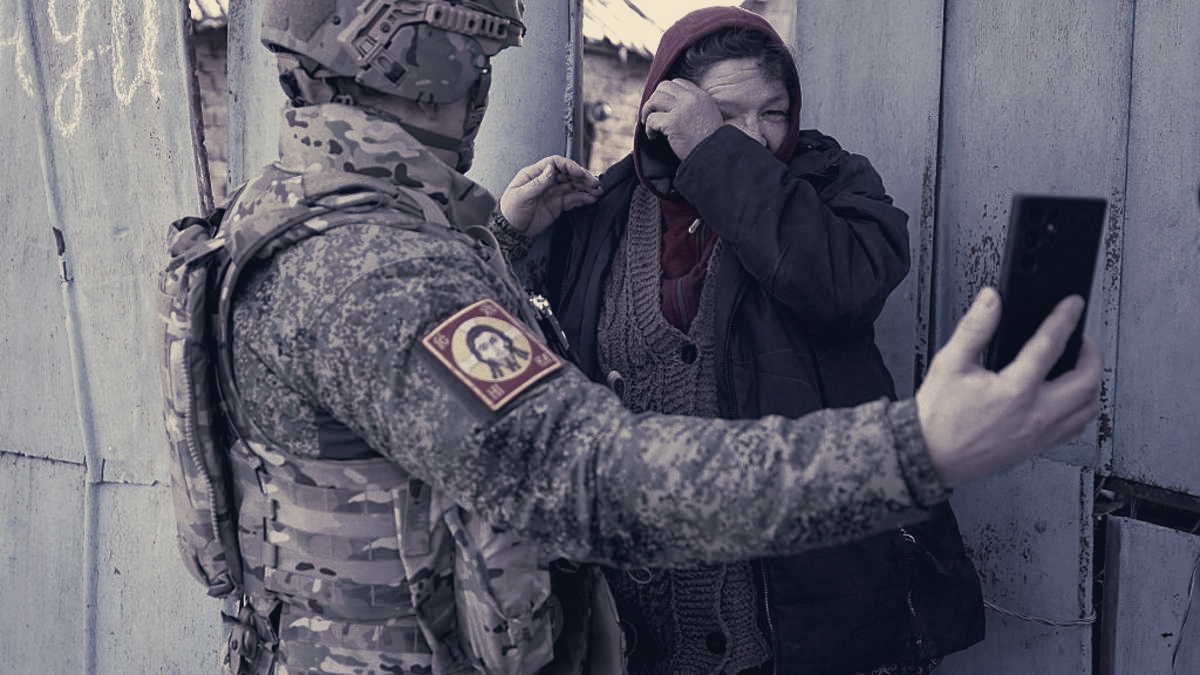
Residents describe the shock of seeing Ukrainian soldiers seize two border checkpoints, take about 40 prisoners and strike a convoy of Russian troops, before Kyiv's forces occupied roughly 777 square kilometres of territory within six days. For most of the following eight months communications were cut, and Moscow accused Kyiv of crimes against civilians, allegations Kyiv denied.
Nearly 200 Russians appealed directly to President Volodymyr Zelensky, President Vladimir Putin and the United Nations, asking for a humanitarian corridor, but relatives say no organised evacuation was arranged. Fighting returned by late 2024 as Russian forces moved to retake the area; authorities later began evacuating survivors and collecting bodies.
Some families organised their own searches. A local resident assembled names from videos published by journalists and military sources, and at one point compiled around 1,000 names of those seen or thought to have died. "At first, in a panic, you try to do something, anything, to find some sort of information," she said, adding that taking action offered relief from stress.
Volunteers, including village officials, collected bodies from streets and fields and funded body bags and fuel themselves or through donations. Yuri Tkachev, head of a village council who joined recovery efforts, said, "It's hard for people to know, or rather not to know, what has happened to their loved ones, whether they're being held captive or have died, and where they died." Relatives also criticised official responses as slow and dismissive.
One woman, Lyubov, whose mother lived in the Darino area that endured heavy fighting and was nearly destroyed, says she once trusted the state but now feels "resentful towards the [Russian] state". After months searching, she recognised her mother in a mortuary photograph dated April 2025; the circumstances of the elderly woman's death remain unclear.
Regional officials met with groups looking for the missing several times in the second half of 2025, but relatives say those meetings brought little concrete progress. Families and volunteers continue recovering remains and pushing authorities for a single, reliable register of the missing and for clearer information about where civilians died or are being held.