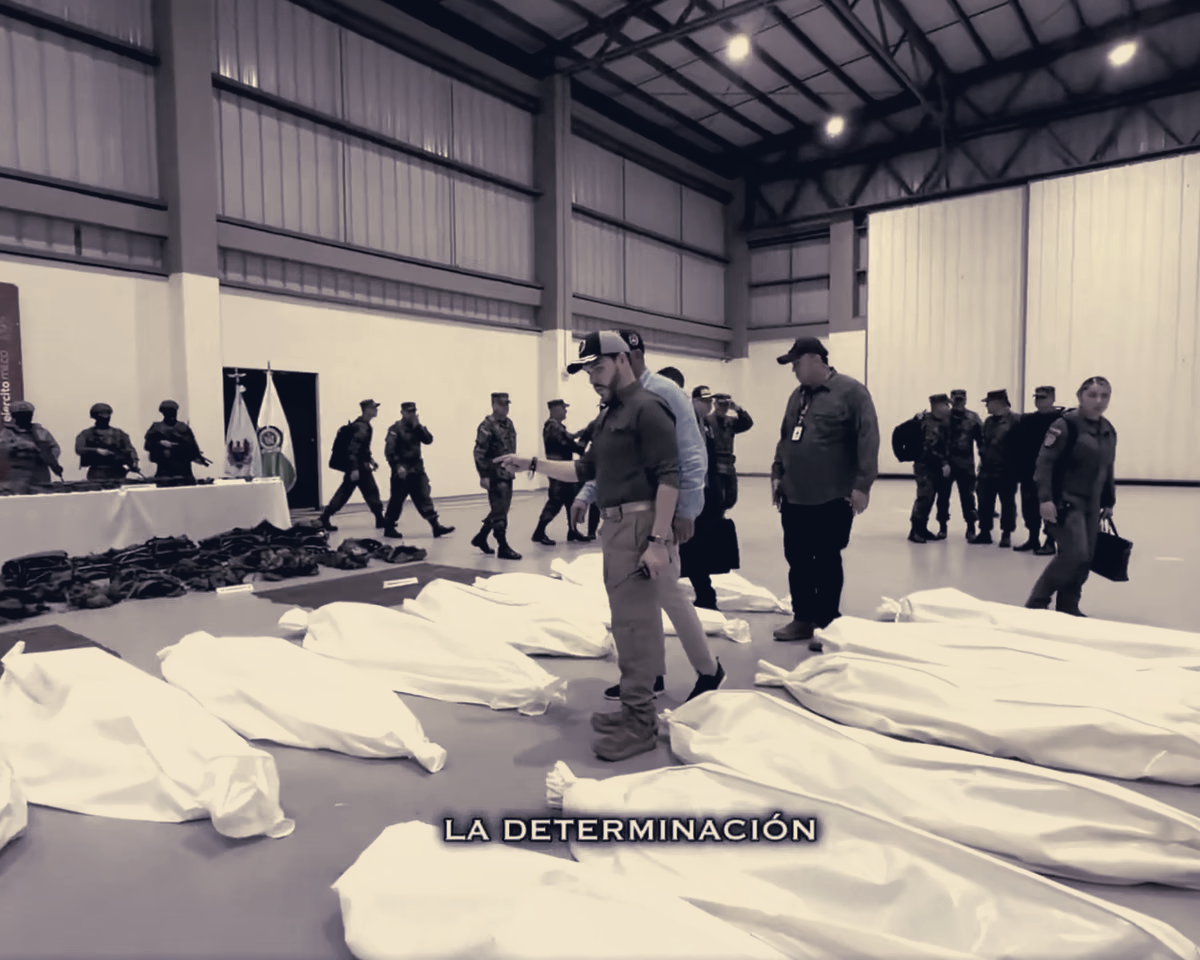

Colombia's president has taken an immediate reputational hit after posing with bodies described as "terrorists", an act that has provoked widespread disgust. The images and footage show state actors and corpses presented as evidence of law-and-order victories, and their public display has become a focal point for criticism.
Separately, Abelardo De La Espriella posted a video of himself alongside rows of body bags. The footage turned bodies into a staged tableau and drew attention for its blunt spectacle rather than for any judicial or investigative context. The combination of political figures and graphic imagery has intensified the sense that violence is being used as a political prop.
Those reactions reflect a broader trend of performative populism across the Americas, where dramatic displays of toughness on crime are staged for public consumption. The recent incidents fit that pattern, turning scenes of death into public theatre and raising questions about proportionality, accountability and the ethical boundaries of political communication.
The material has already shifted public debate toward how leaders portray security operations and who controls the narrative after violent encounters. Critics say such displays risk normalising extrajudicial imagery, while supporters frame them as proof of decisive action against criminal groups. Either way, the use of corpses and body bags in political messaging has become a flashpoint.
What happens next will determine the political cost. The controversy is likely to prompt renewed scrutiny from domestic audiences and opposition figures, and it could force authorities to explain the circumstances that led to the images. For now, the episode underscores how visual spectacle is being deployed in security politics and how that strategy can quickly produce backlash.