Ukraine faces the prospect of widespread civilian hardship this winter if strikes on energy and water systems continue, the head of the UN development agency, Alexander De Croo, warned. He said there is a race against the clock to restore power and water networks before temperatures fall, which would leave people without heating or functioning sewage systems.
De Croo, the UN's third most senior official and a former Belgian prime minister, told the BBC, "This winter is going to be the toughest one since the war." He said the UN was "very, very worried... about what this winter could become," because of what he described as Russia's "very systematic" targeting of civilian and energy infrastructure.
He listed attacks on petrol stations, shopping malls and business centres, and especially on energy transmission lines, as driving the risk. De Croo added, "There is absolutely no justification for that." He warned a worst-case scenario would leave people unable to run heaters and could see water and sewage systems stop working, noting winter temperatures in Ukraine can fall to -20C.
The fighting has seen more intense aerial and drone campaigns in recent months, with Russia deploying faster, jet-powered drones that are proving difficult to intercept. Recent strikes include a daytime Russian drone attack on a shopping mall in Pavlohrad that killed five people and wounded 67, and earlier air strikes on shopping centres in Zaporizhzhia and Sumy that killed two people and injured 28. Russia reported a Ukrainian seaborne drone attack on Sochi that wounded 28 people and cited three other deaths blamed on Ukrainian attacks. Two people were also killed when Russian drones hit a border crossing between Ukraine and Moldova.
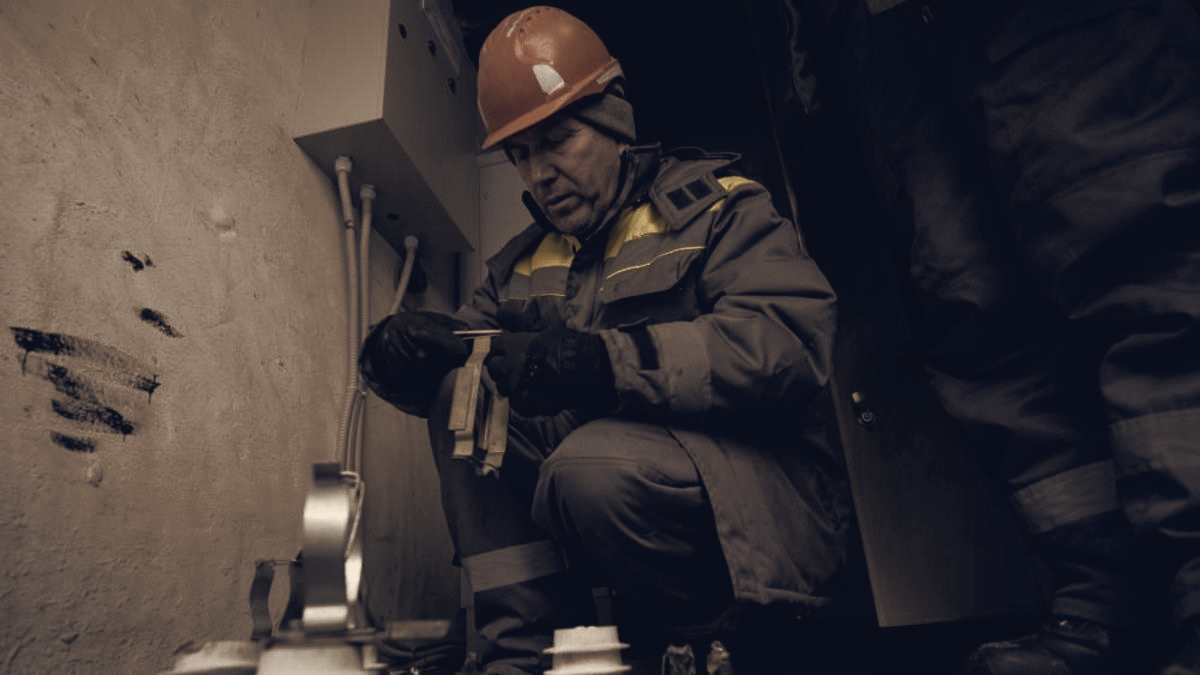
To prepare for winter, the UN Development Programme is repairing damaged parts of Ukraine's energy system and building more decentralised and sustainable plants that are harder to target. De Croo said finishing the repairs is "almost an impossible task," because workers carry out reconstruction "under constant, constant air alarms," and know the sites are themselves potential targets. The immediate question now is whether repair teams can complete critical work before sustained cold weather arrives.
If repairs fall behind and strikes continue, the combination of damaged infrastructure and sub-zero temperatures would sharply increase the risk of severe civilian hardship across affected areas.