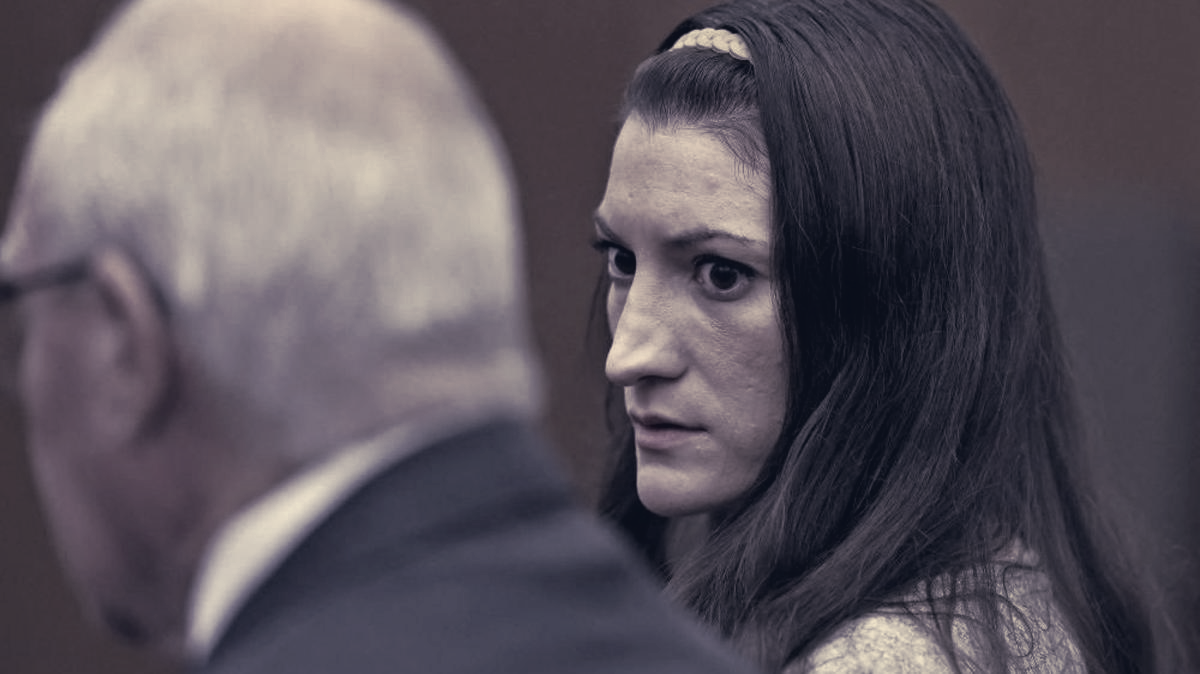

A verdict is at risk after jurors told the court they were deadlocked in the murder trial of Lindsay Clancy, and the judge instructed them to continue deliberating. The panel reached an impasse following four days of discussion, prompting Judge William Sullivan to send jurors home and ask them to return the next morning.
Clancy, a 36-year-old former nurse from Massachusetts, faces three counts of first-degree murder for the deaths of her children at their family home in January 2023. Prosecutors say the killings were intentional and premeditated. The defence does not dispute that Clancy killed her children but argues she was suffering from postpartum psychosis and could not distinguish right from wrong.
After hearing weeks of testimony from dozens of witnesses, a jury made up of nine women and three men began deliberations last week. On Tuesday audible gasps rippled through the courtroom when the jury sent a note saying it was deadlocked. Clancy, who was left paralysed after jumping from a second-floor window soon after the killings, sat in a wheelchair beside her lawyer, appearing stoic.
Before dismissing jurors for the day, Judge Sullivan told them, "I just want to thank you for all your hard work and commitment so far in this case." Courtroom observers and defence and prosecution attorneys now await whether further instructions will break the deadlock or whether the judge will be forced to declare a mistrial.
Legal experts in the case warned that deadlocks are common in complex and emotionally charged trials. Heather Cucolo, a New York Law School professor and mental health law expert, said the judge could issue a so-called dynamite instruction, known in Massachusetts as a Tuey-Rodriguez charge, to press jurors to consider other perspectives while upholding their convictions, but she called that typically a last-ditch effort. Criminal defence lawyer Elyse Hershon said she was not surprised a jury had struggled, noting the facts are difficult and much of the evidence is graphic.
If Clancy is convicted of first-degree murder she faces a mandatory life sentence without the possibility of parole. The jury could instead return verdicts on lesser charges, including second-degree murder or manslaughter, either of which would still carry prison time. A finding of not guilty by reason of insanity would not free Clancy, but would place her in a psychiatric hospital where her status would be periodically reviewed and where she could remain for the rest of her life.
The immediate next step is a return to court when jurors resume deliberations. If the deadlock persists the judge may give additional instructions or, ultimately, declare a mistrial.