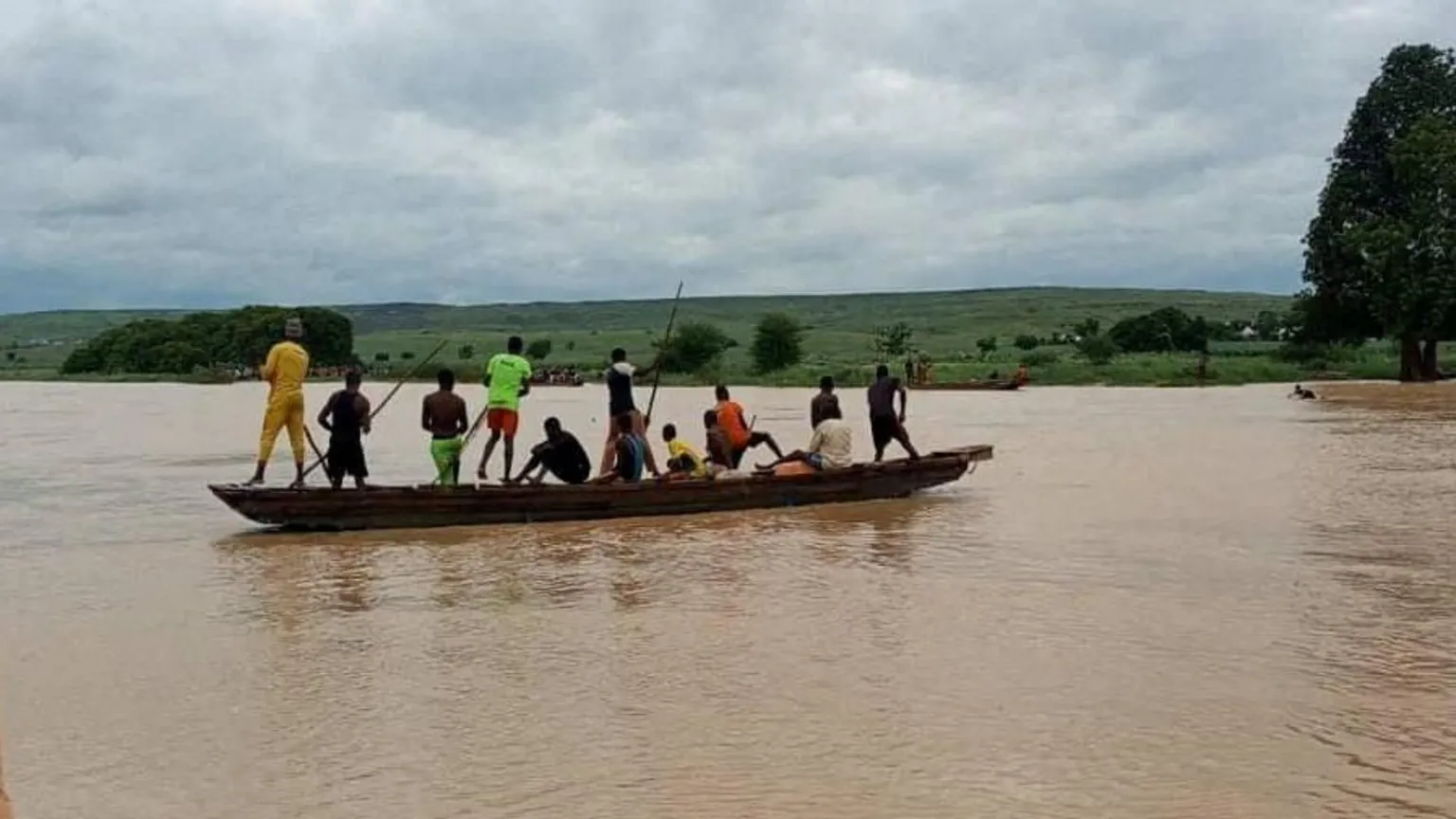

The rice harvest in parts of Sokoto is at risk after at least 46 people died when a boat believed to be carrying more than 70 passengers capsized near Gorau. Authorities say most of the passengers were children and that a search is ongoing as rescuers try to account for the missing.
Police spokesperson Ahmad Rufai told the BBC that 46 bodies had been found near Gorau in Gorony. Officials report 16 survivors have been recovered and 15 people remain unaccounted for. Security agencies and emergency services are on their way to the site, but responders face access difficulties because the community is remote.
A witness speaking to Reuters said the children were travelling with farm owners and labourers heading to work on a rice harvest. The same witness described seeing about 50 bodies, many wrapped in mats and traditional cloths, laid in front of a community mosque ahead of burial preparations.
Nigeria’s emergency management agency spokesperson Ezekiel Manzo told the BBC, "Gorau is a very remote place... the team has moved to that remote location." His remarks underline the logistical challenge facing search teams and the urgency of moving equipment and personnel into hard-to-reach river communities.
Boat accidents are a recurring hazard in Nigeria. Officials and analysts point to overcrowded and poorly maintained wooden boats, and weak enforcement of safety rules as common causes. Recent incidents in northern states have delivered similar tolls, including five drownings after an overturned boat in Jigawa last month, at least 26 deaths in January when a vessel travelling from Jigawa to Yobe capsized, and 54 bodies recovered from the River Niger in December 2024 when another boat went down.
Authorities have long recommended measures such as providing safer boats and life jackets, dredging waterways, stationing water guards at jetties, and ensuring operators are trained and licensed. Those steps have not been fully implemented or enforced in many rural corridors, leaving communities reliant on rivers exposed to repeated tragedies.
For now families and local officials in Sokoto face the immediate tasks of recovery, burial and accounting for the missing. The incident will also test the capacity of emergency services to reach remote river settlements and will put renewed focus on whether long-promised safety reforms will be enacted.