
Los Angeles fall exhibitions reposition marginalized artists and overlooked histories across major museums and community venues, forcing a recalibration of the city’s cultural narrative.
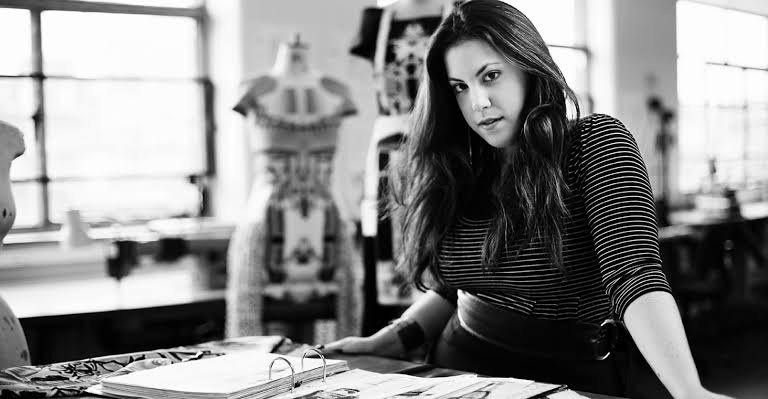
Monica Majoli’s Countervision pairs new drawings with material from the June L. Mazer Lesbian Archives, presented by Los Angeles Nomadic Division (LAND) at 626 North Robertson Boulevard in West Hollywood, running September 19, November 21. Majoli mined the Ovulars, the late 1970s and early 1980s workshops led by Joan E. Biren, Tee A. Corinne, Honey Lee Cottrell, and Ruth Mountaingrove, and translated those images into unframed drawings displayed alongside objects from the Sisterhood Bookstore, which operated from 1972 to 1999 and informed Majoli’s own early experience in Los Angeles.
Hold Each Other’s Hands at Oxy Arts, on view through December 5, traces networks of trans mutual aid between the mid-1960s and mid-1990s. The show takes its title from a phrase popularized by Marsha P. Johnson and Sylvia Rivera and combines archival material, contemporary work, and programming to surface systems of care, housing and healthcare that sustained trans communities. Archival installations focus on unhoused trans youth in 1960s San Francisco and the Street Transvestite Action Revolutionaries of 1970s New York, and the exhibition sets up intergenerational conversations with six Los Angeles-based artists.
Flesh Witness at REDCAT, running September 12, December 13, critiques militarism across Hawai‘i, Korea, Okinawa, the Philippines and Samoa. Organized by diasporic Korean nonprofit GYOPO and scholar Amy Kahng, the show spans 50 years of work in sculpture, photography, mixed media and installation, and includes artists such as Bernice Akamine, Mao Ishikawa, and Stephanie Syjuco.
Other major projects this season reframe empire, stewardship and diaspora. The Hammer presents a career retrospective of the late Beirut-born Huguette Caland, reflecting on an artist who spent much of her life in Los Angeles. Nurtured Flames at the Armory gathers Indigenous artists addressing Native fire stewardship. The Getty opens an exhibition of five influential Chicanx photographers who document the evolving city. Brand Library and Art Center’s Artifacts from an Unborn Empire, on view September 26, December 31, assembles 22 artists to contest dominant chronologies, including Kayla Tange’s No Record, 2024, and Rubén Esparza’s serape flag mounted on a used broom; the show invokes the old maxim, "History is written by the victors," to question who controls national narratives.
Together these exhibitions expand whose work is visible in Los Angeles institutions and community spaces, and they promise programming and dialogues that may reshape how the city remembers and cares for its own cultural labor.