
Senegal has won a conditional $2.2 billion IMF loan programme that could reopen cheaper international funding, provided the government implements corrective measures over previously undisclosed debt. The staff-level accord covers a 36-month arrangement to support the country's economic and financial reform programme for 2026-2029, and still requires approval from the IMF's executive board.
The deal follows a suspension of an earlier $1.8 billion programme agreed in 2023, after authorities discovered debt that had not been reported. The IMF said the new arrangement must be accompanied by decisive fixes to underpin the country's request for a waiver over misreported data, making compliance a precondition for full IMF endorsement.
Senegal's fiscal position remains fragile. The IMF estimates total public sector debt at 132 percent of GDP at the end of 2024, one of the highest ratios in sub-Saharan Africa. The Fund also reported that the reported 2023 budget deficit stood at 12.3 percent of GDP, a sharp revision from the 4.9 percent previously stated by the last administration led by ex-president Macky Sall, who governed from 2012 to 2024.
Some fiscal progress has been recorded, the IMF noted, with the overall deficit narrowing from 13.4 percent of GDP in 2024 to 6.4 percent in 2025, largely through spending rationalisation. Despite that improvement, Senegal has continued to finance itself mainly via the regional bond market, which ratings agency S&P warned carries higher costs than borrowing from international financial institutions, development banks or governments.
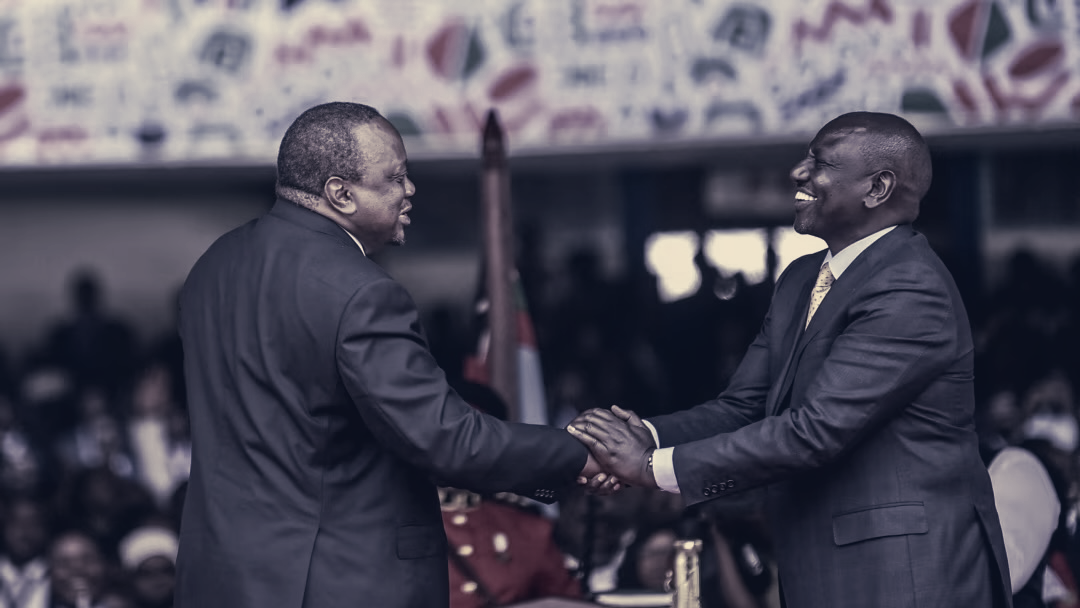
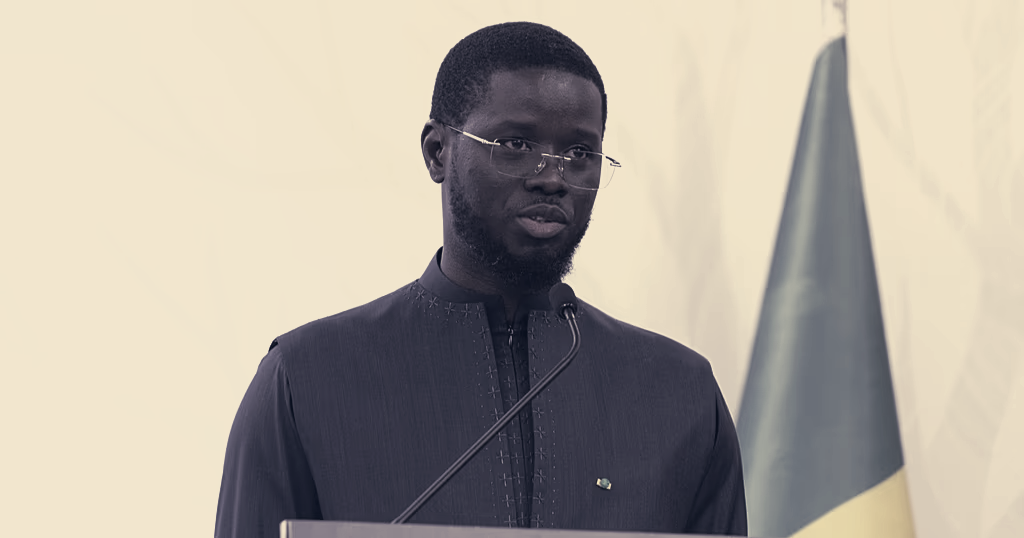
The agreement comes amid domestic political friction that could complicate implementation. President Bassirou Diomaye Faye and his former prime minister Ousmane Sonko clashed earlier this year, and although Faye dismissed Sonko as prime minister in May, Sonko was later elected speaker of the National Assembly. Sonko has rejected debt restructuring, a stance that could limit the president's manoeuvring on IMF-linked reforms. Meanwhile Moody's downgraded Senegal's long-term foreign-currency debt rating to Caa2 from Caa1 during IMF negotiations.
Next steps hinge on the IMF executive board's review and on Dakar's ability to carry out the corrective measures the Fund demands. Approval would likely ease access to international finance, while failure to satisfy the Fund or domestic political resistance could leave Senegal reliant on costlier regional markets and exposed to further rating pressure.