
A High Court challenge seeks to overturn the 1961 Indemnity Act that has blocked prosecutions and civil claims tied to the Sharpeville massacre.
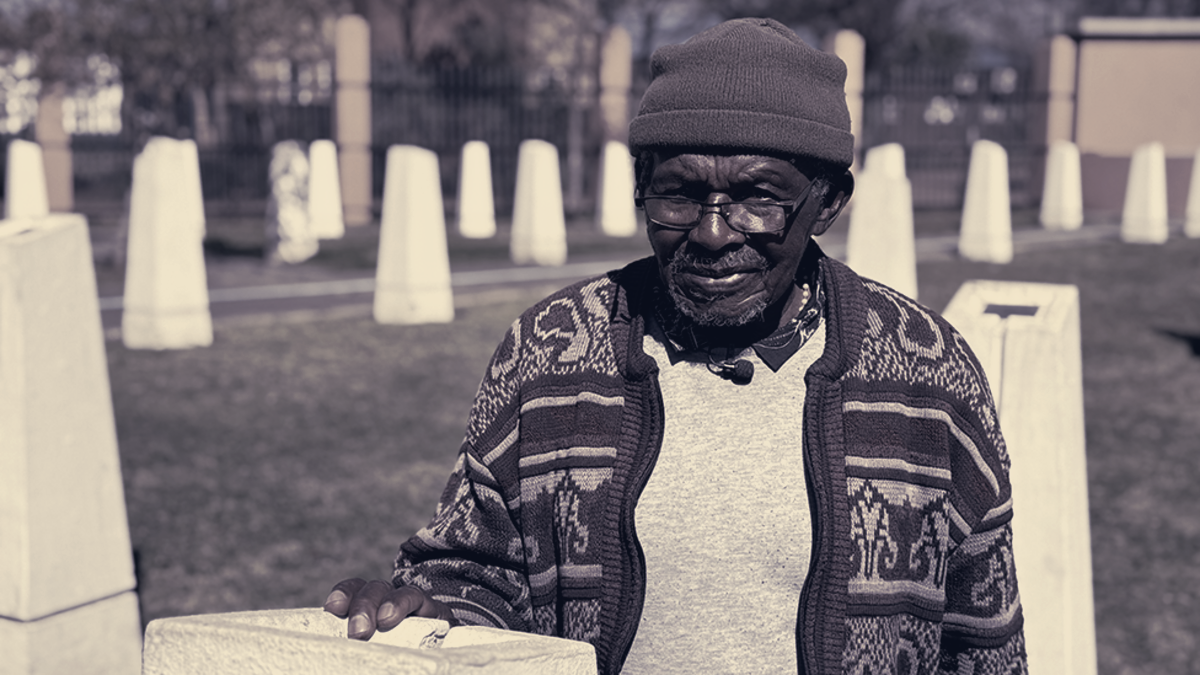
Survivors and relatives are mounting the legal fight decades after police opened fire on a peaceful demonstration on 21 March 1960. Abraham Mofokeng, now 86, still carries a bullet lodged in his spine and a limp from a leg wound sustained during the protest. He was 20 at the time. "We weren't seen as people," he says, recalling the pass laws that he and thousands of others had gathered to protest.
The original death toll reported at the scene was at least 69, a number echoed by the 69 white pillars that stand in Sharpeville's Human Rights Precinct. South African researchers have since revised some estimates upwards to as many as 91, and more than 200 people were injured. Witnesses and archive photographs record dozens of bodies on the streets and the sound of heavy gunfire; researchers estimate more than 1,300 bullets were fired into the crowd.
Many of those killed were protesting the passbook regime, the dompas, which restricted movement and authorised beatings or detention for people found without the document. One survivor, Larazus Magotsi, now 90, walks the cemetery row where victims are buried, including a 12-year-old. He describes seeing people shot as they tried to rise from the ground, and others attacked with machetes.
The only legal action immediately after the killings was a failed attempt to charge protesters with affray. In 1961 the apartheid government enacted the Indemnity Act to protect police and officials from criminal charges and civil claims connected to Sharpeville. That statute remains on the books despite more than 30 years of democratic rule.
Lawyers for Human Rights and UK firm Leigh Day have filed a case at the High Court arguing the Indemnity Act is unconstitutional under the post-1994 constitution. The legal action is due to be announced on Thursday. "Apart from the individual damages, what the community's looking for is basically reparations to enable their healing. They feel as though Sharpeville is a forgotten community," says Charne Tracey.
If the court finds the law incompatible with the 1994 constitution, it would remove a long-standing legal obstacle to civil claims and criminal accountability related to Sharpeville, and offer survivors a path to seek damages and formal recognition of harms that the Truth and Reconciliation process did not fully resolve.