
The Venice Biennale risks its €2 million European Commission culture grant after its president publicly defended Russia's participation in the 61st edition. Pietrangelo Buttafuoco told Corriere della Sera he would do “everything” again to include the pavilion, arguing his handling was “more than fair and proper to the institution [he] preside[s] over” and that there was “not a single comma that violates laws and regulations.”
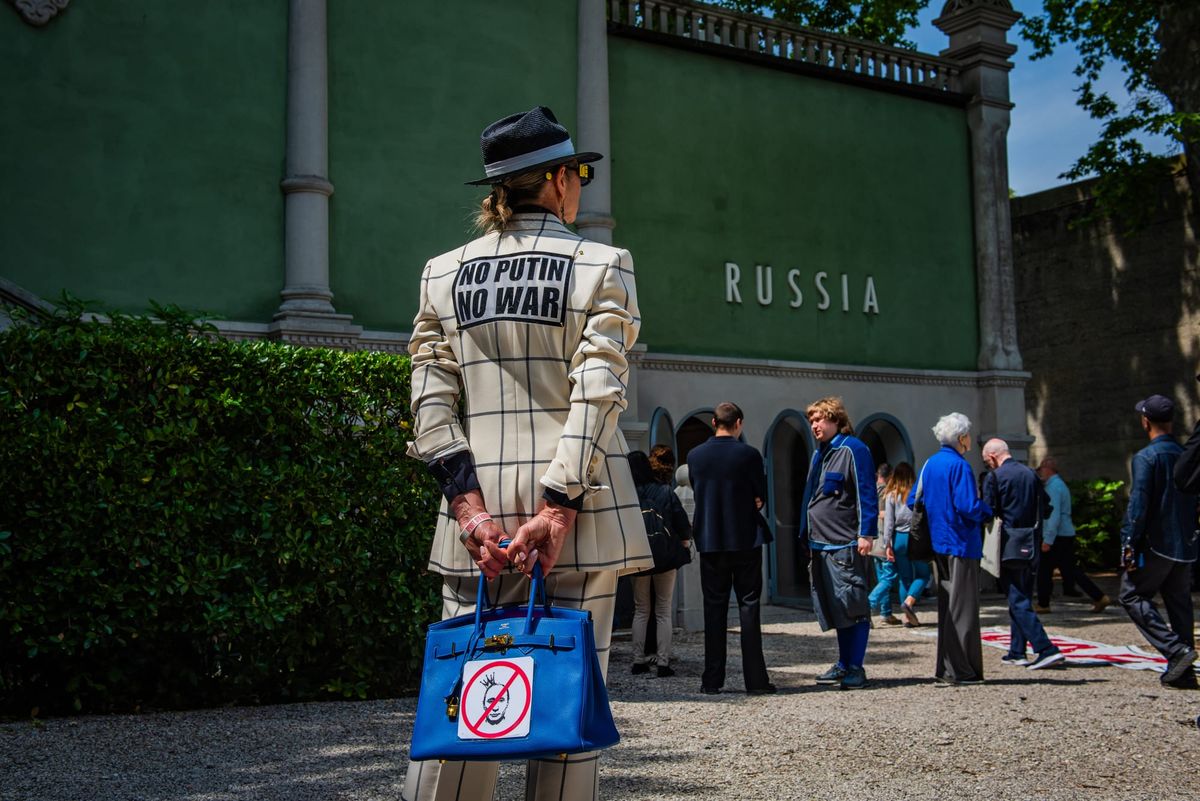
The foundation's March announcement that Russia would return to its pavilion provoked widespread criticism, calls for boycotts, and a widely circulated open letter demanding revision. The Biennale administration framed the decision as a stance against exclusion, saying it “rejects any form of exclusion or censorship of culture and art.”
Italian Culture Minister Alessandro Giuli asked the Venice Biennale Foundation to provide all correspondence with the Russian Federation so his office can assess whether the pavilion installation complies with the European Union's sanctions regime. The European Commission condemned the inclusion and threatened to freeze its €2 million (~$2.3 million) grant to the foundation over the matter.
The controversy has reshaped institutional responses inside the Biennale. In April the award jury announced its intention to omit Russia and Israel from consideration for the Golden Lion awards, and Giuli publicised his intent to forgo the Biennale's preview dates in protest. It also emerged that Buttafuoco and foundation administrators had worked with the Russian pavilion curator as early as June 2025 to ensure the participation met the rules. After the vernissage dates the pavilion remained closed to the public for the Biennale's run.
The immediate steps ahead are procedural. The culture ministry is reviewing correspondence with the Russian Federation to evaluate compliance with EU sanctions, and the European Commission faces the decision whether to follow through on its funding threat. The standoff leaves the Biennale managing simultaneous institutional disputes over law, cultural policy and public access while the contested pavilion remains off view.