
The Swedish retailer has seen revenue fall over the past two years as a rising cost of living has left shoppers less willing to invest in new furniture and home renovations. The latest move lowers prices on iconic items such as the Billy bookcase and Kallax storage units, with reductions of up to 28% on some lines.
Ingka, the franchisee that runs most of Ikea’s European stores, said the programme will be paid for by savings across the supply chain, including packaging, but it warned the cuts could dent profits. Juvencio Maeztu, chief executive of Ingka, said the price strategy was "not an activity or short-term campaign" and added, "It's about making IKEA more affordable when people need it most, even if it means accepting a lower margin." He also said, "The cost of living is increasing and it's getting tougher and tougher for many people."
Specific UK reductions include the Kallax shelving unit being cut from £60 to £49 and the Billy bookcase falling by £10 to £25. Ikea has trimmed prices before and reported a hit to revenue and profit in its most recent earnings report.
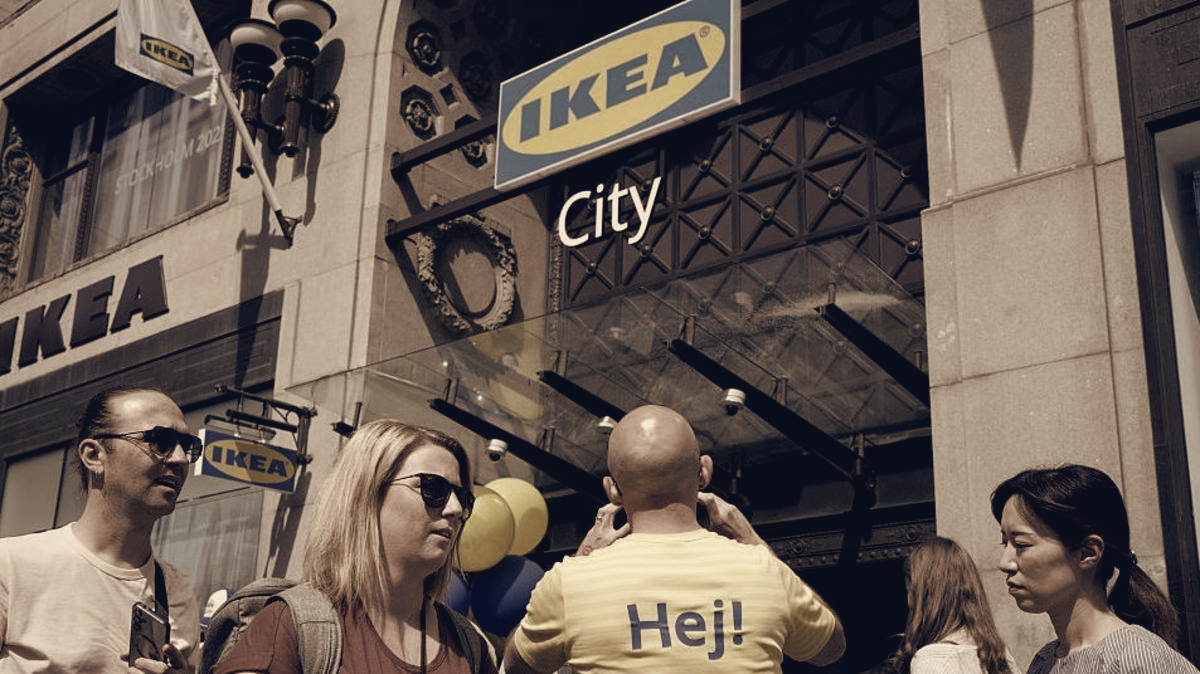
Beyond price cuts, Ikea is trying to reach different shoppers by opening smaller high-street stores in central locations such as Oxford Street in London and Churchill Square in Brighton. In 2024 the company also launched a second-hand online marketplace to compete with resale platforms.
Consumer confidence in Europe remains weak, at its lowest level for almost three years according to EU figures. British consumers have shown some recent optimism following a truce in the Middle East, but analysts warn that lingering inflation and the rising cost of living could erode that sentiment in coming months.
Ikea operates more than 500 stores worldwide and faces criticism from environmental groups over disposable furniture and excess packaging. For now Ingka is positioning the price cuts as a longer-term affordability strategy, while acknowledging the company may accept lower margins to keep customers buying.