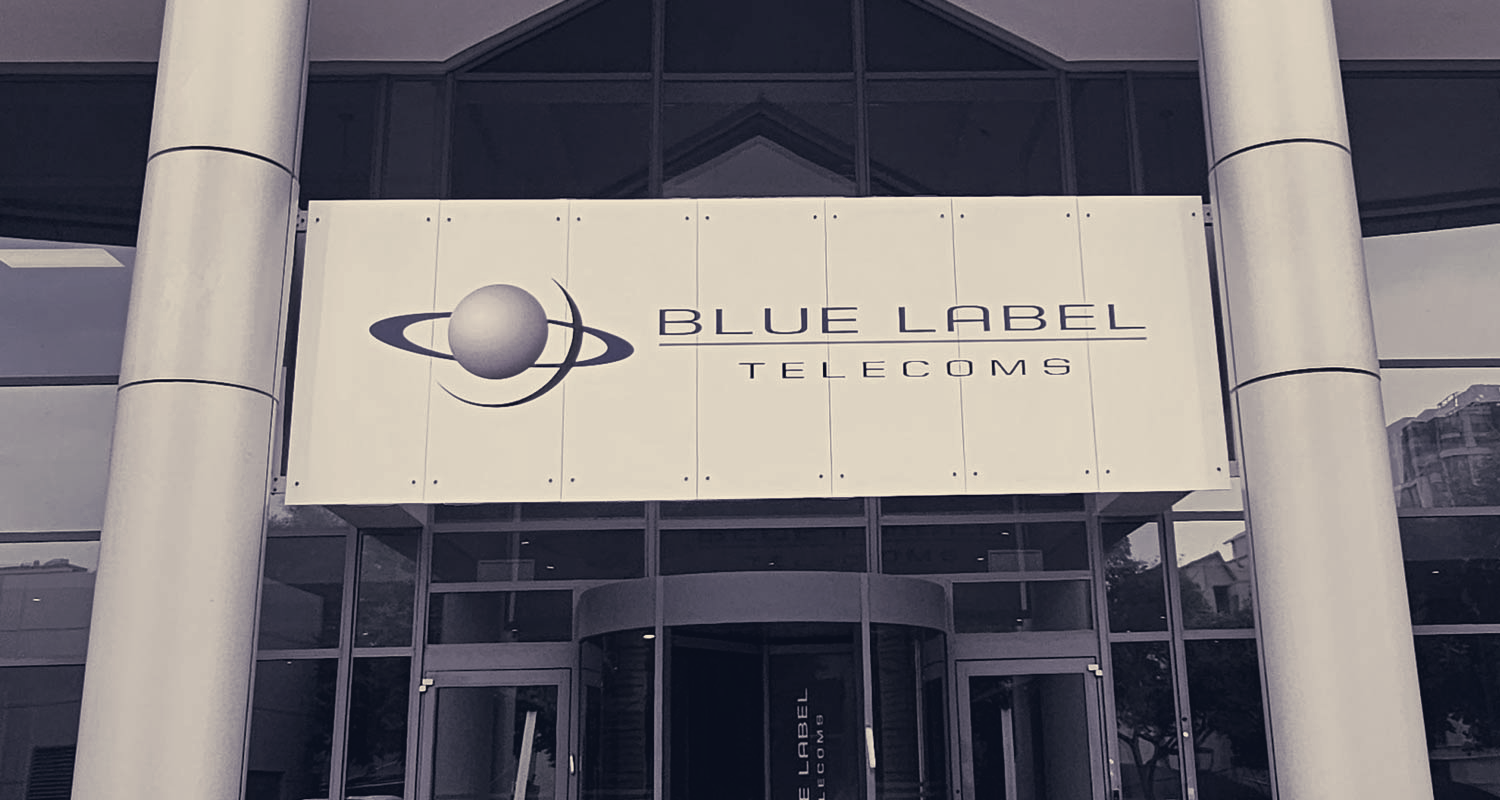

Blu Label is shifting from a telecom rescue to a power play, betting its next growth cycle on electricity. The Johannesburg Stock Exchange-listed distributor, long known for airtime, vouchers and payments, has repositioned Blu Energy to operate across trading, wheeling, renewable generation, battery storage and municipal billing.
In February 2026 the firm secured a multi-year electricity trading licence from the National Energy Regulator of South Africa, and says it has identified about 400MW of potential capacity, with plans to deploy up to 180MW in the near term. The group has already contracted 28MW of rooftop solar, and its pipeline includes ground-mounted projects with some deployments expected in the third or fourth quarter of 2026.
Blu Label intends to leverage decades of payments and vending infrastructure to act as an intermediary between power producers, municipalities and large electricity users. “We have got trading, we’ve got wheeling, and then the bigger concentration for us is how do we start deploying green energy on this side of the municipal grid, where we plug directly into the municipal grid,” Mark Levy, co-chief executive officer, told TechCabal. He also highlighted participation across the wider supply chain, including nodal production and battery storage.
Municipal billing and collection is central to the plan. Blu Label says it has deployed more than 50,000 meters and has another 10,000 to 15,000 in its pipeline. Levy called municipal revenue assurance a “sleeping giant”, pointing to an estimated R30 billion in revenue that is not being billed or collected correctly.
The energy push follows a turbulent period dominated by Cell C. Blu Label remains Cell C’s largest shareholder at 49.53%, but the telecom restructuring produced a R5.19 billion net loss related to Cell C, including a R6 billion loss on disposal partially offset by an R841 million remeasurement gain. That swing drove reported EBITDA to a loss of R4.77 billion, from a profit of R1.60 billion the prior year, and pushed net profit attributable to shareholders to a R4.88 billion loss, down from a R2.48 billion profit.
Stripping out Cell C and restructuring effects, Blu Label reported normalised revenue of R9.4 billion, EBITDA of R923 million and core headline earnings of R681 million. The group also received R2.7 billion from selling down a 30% stake in Cell C, and cash and cash equivalents rose by R1.8 billion, providing liquidity for the energy roll-out.
Management says the move is as much about capturing higher-margin activity as it is about deploying capacity. Brett Levy, the other co-CEO, says the company plans to use its proprietary technology and data, built over about 20 years, to monetise infrastructure more aggressively. The coming quarters will test whether Blu Label can convert licence access, contracts and meters into steady energy earnings rather than relying on shrinking vending commissions.