
Kwara is pitching institutional reforms and new infrastructure to attract private capital, aiming to convert investment into industries and jobs. The state government used the 2026 Kwara State Ease of Doing Business Investment Summit to signal a faster, more transparent path for investors and to outline concrete platforms for private-sector partnerships.
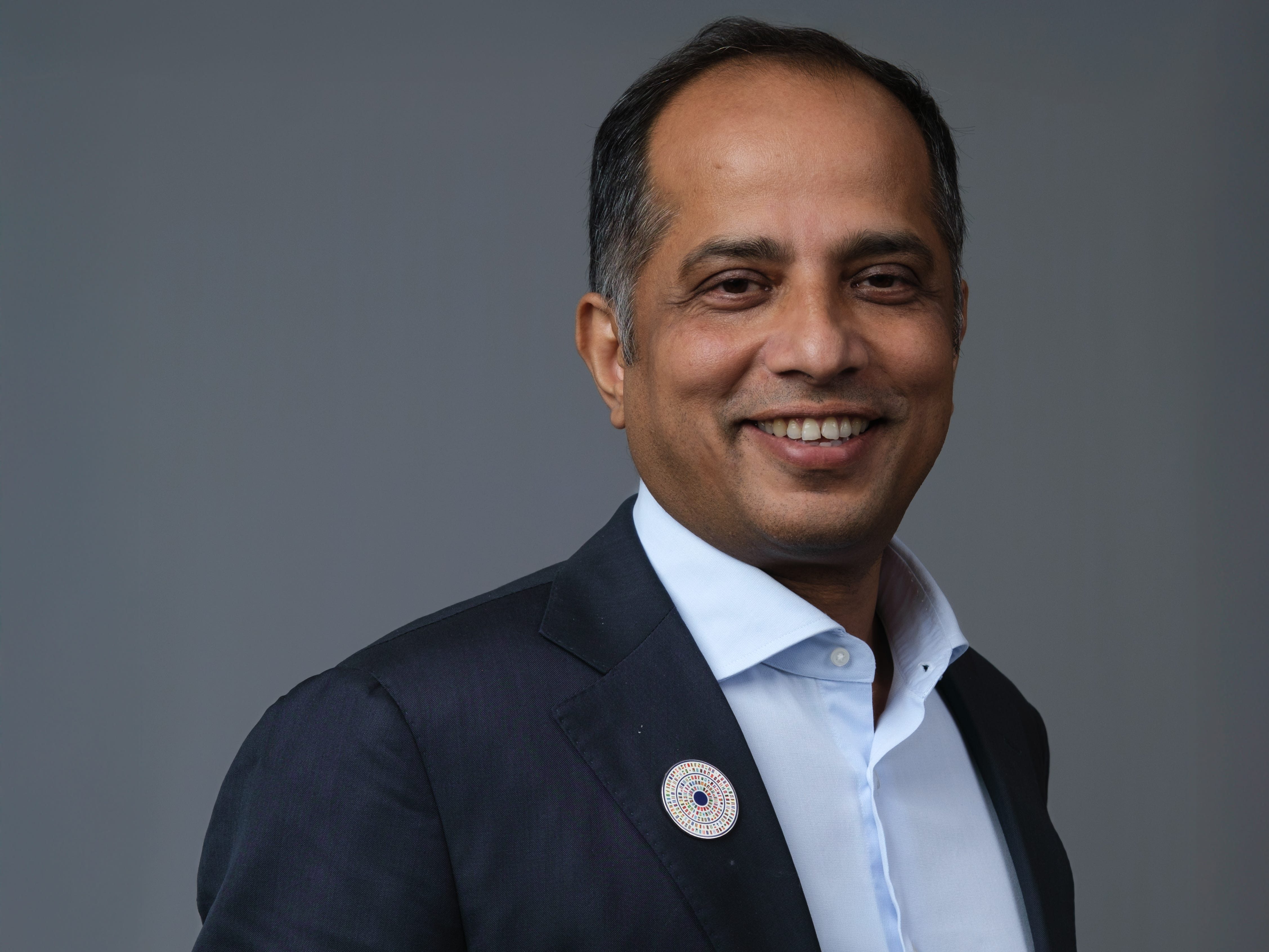
Hauwa Nuru, PhD, commissioner for finance and chair of the Kwara State Ease of Doing Business Council, told delegates at the summit themed “From Reforms to Results: Positioning Kwara as Nigeria’s Investment Destination” that Governor Abdulrahman Abdulrazaq’s administration has pursued measures to make the state more investor friendly. Nuru framed the agenda as more than procedural fixes, and said private capital remains essential to building industries, creating employment and driving innovation.
“We understand that investors need more than invitations. They need credible institutions, transparent processes, policy consistency, infrastructure and a government that treats the private sector as a partner,” Nuru said.
Speakers pointed to institutional change, digitalisation and specific investment platforms as the backbone of the pitch. Nuru highlighted the Special Agro-Industrial Processing Zone in Malete as an example of the state’s push for value addition and industrialisation. Sulyman Abdulkareem, chairman of the Kwara State Geographic Information Service, said KWAGIS is strengthening digital land services to shorten delays for land registration, online applications, surveying and processing of Certificates of Occupancy.
Fatima Raheem Agboola, representing Commissioner for Business, Innovation and Technology Damilola Yusuf-Adelodun, outlined tax and revenue reforms, the Kwara Entrepreneurship Kwapreneur programme, and other business-support measures meant to accelerate growth. She listed infrastructure priorities such as roads and electricity and cited enterprise projects including a garment factory, the Ilorin Innovation Hub and a shea butter processing plant as examples of the administration’s commitment to job creation, especially for women and young people.
Officials and private-sector voices identified opportunities across agriculture and agro-processing, manufacturing, solid minerals, logistics, renewable energy, healthcare, education, hospitality, real estate, technology and the creative economy. Estate surveyor Razaq Olanrewaju Anafi said the reforms could support wealth creation.
The government acknowledged the reform agenda is ongoing. The Ease of Doing Business Council has been tasked with converting policy changes into measurable improvements, cutting delays and simplifying processes. The summit was designed to connect government, investors and development partners to turn identified opportunities into operational businesses and jobs.