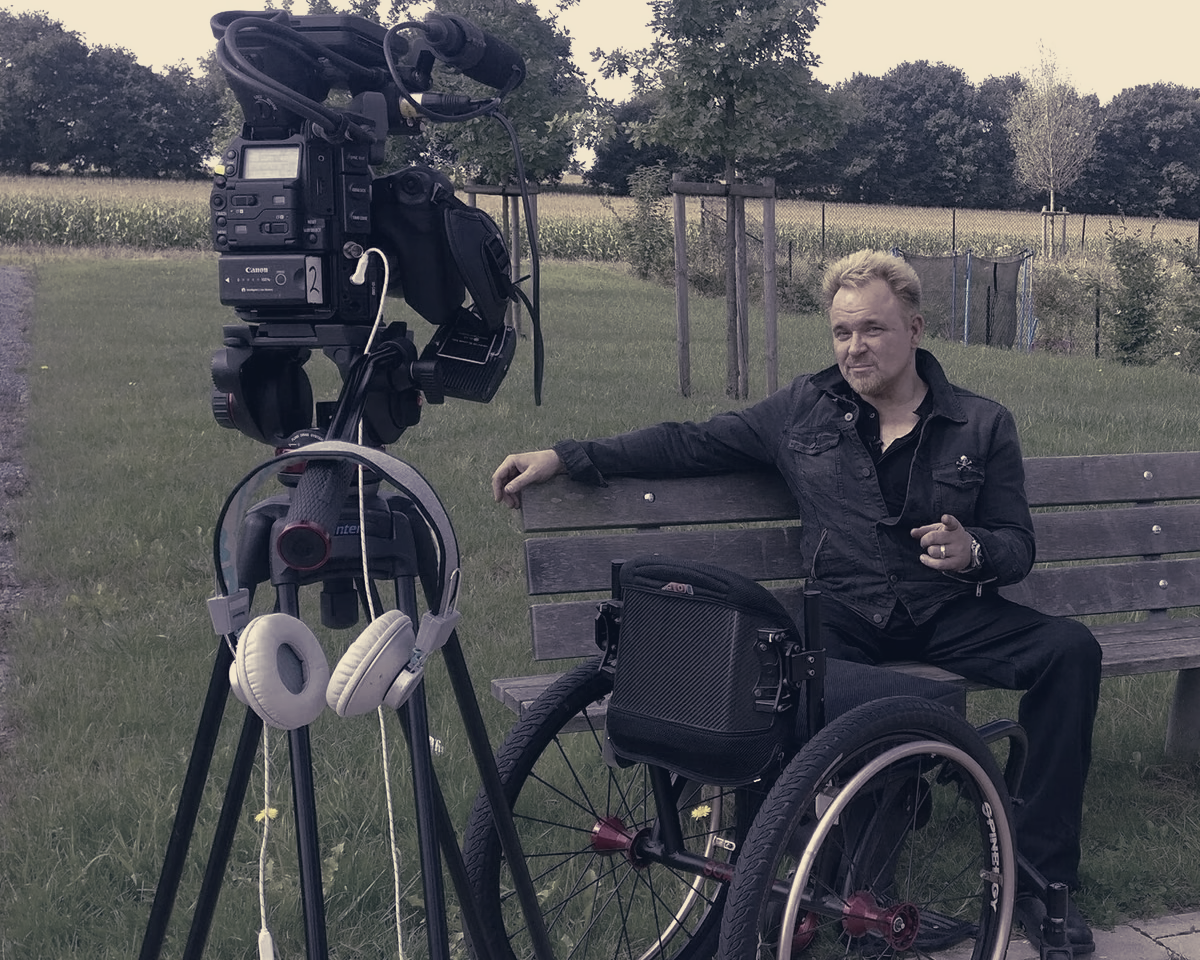

Disabled people are losing safety and social acceptance as decades of ‘benefit scrounger’ rhetoric have hardened public hostility, Mik Scarlet warns. He describes repeated vandalism, physical attacks and a shift from pragmatic inclusion in schools to an atmosphere of suspicion and anger driven by political and media narratives.
Scarlet recounts his own experience to trace that decline. Born with a rare neuroblastoma in 1965, he survived major surgery, radiotherapy and chemotherapy after taking part in a clinical trial that doctors once treated as a last resort. Scarred physically by the treatment, he grew up with a paralysed right leg and later became a full-time wheelchair user after a spinal collapse at 15.
He says the arrival of the Chronically Sick and Disabled Persons Act in 1970 made mainstream schooling possible for him, and the headteacher at Putteridge High School, Mr Price, oversaw adaptations including accessible toilets and a lift so he could sit exams. At Luton sixth form college further changes were made under his guidance. For the next two decades the prevailing question in his communities shifted from whether disabled people should be written off to what adjustments would let them take part.
That local progress, Scarlet says, happened alongside workplace setbacks. Two early jobs ended after short periods of sick leave, which employers read as inability to cope. He then pursued music, toured across the UK and Europe, and moved into television presenting. His show Beat That won an Emmy and he worked in media for more than 15 years before ill health cut that career short.
From the late 1990s onward, Scarlet describes a marked reversal. His Motability vehicle was repeatedly vandalised; he was attacked twice; his wife was assaulted by three masked assailants; and they were forced to leave an adapted home after threats to burn it down. He reports even family members echoed the “free car, free house, benefits” trope, despite having worked most of his adult life and paid taxes.
Scarlet challenges common misperceptions behind that trope. Motability, he says, is a leased vehicle that requires a large upfront payment and weekly costs comparable with small cars. Personal Independence Payment is intended to support independent living, not to subsidise unemployment. He also notes the Access to Work scheme returns £1.48 for every £1 paid and generates a wider economic benefit of £3.86, figures he cites to counter claims of waste and fraud.
His account closes with a simple case for reversing the trend: accessible, inclusive communities benefit everyone. Scarlet contends the policy and media narratives that have taken root must be corrected to restore safety, opportunity and dignity for disabled people.