
British film gained a distinct portrait of childhood when Whistle Down the Wind was turned into a location shoot in Lancashire, Hayley Mills says. The film began as a novel by Mary Hayley Bell about three children who find a man in their barn and, believing him to be Jesus, decide to hide and protect him. Richard Attenborough, who had set up a production company with Bryan Forbes, championed the adaptation and persuaded the family it should be a film.
When the original director, Guy Green, withdrew, Forbes took over at the last minute despite having no prior directing credits. On being asked if he could manage the job, Forbes reportedly said, "I’ve no idea. We’ll soon find out!" The writers Keith Waterhouse and Willis Hall moved the setting from Sussex to a remote Lancashire village, Downham, at the foot of Pendle Hill, and the production cast nearly all local children to populate its rural world.
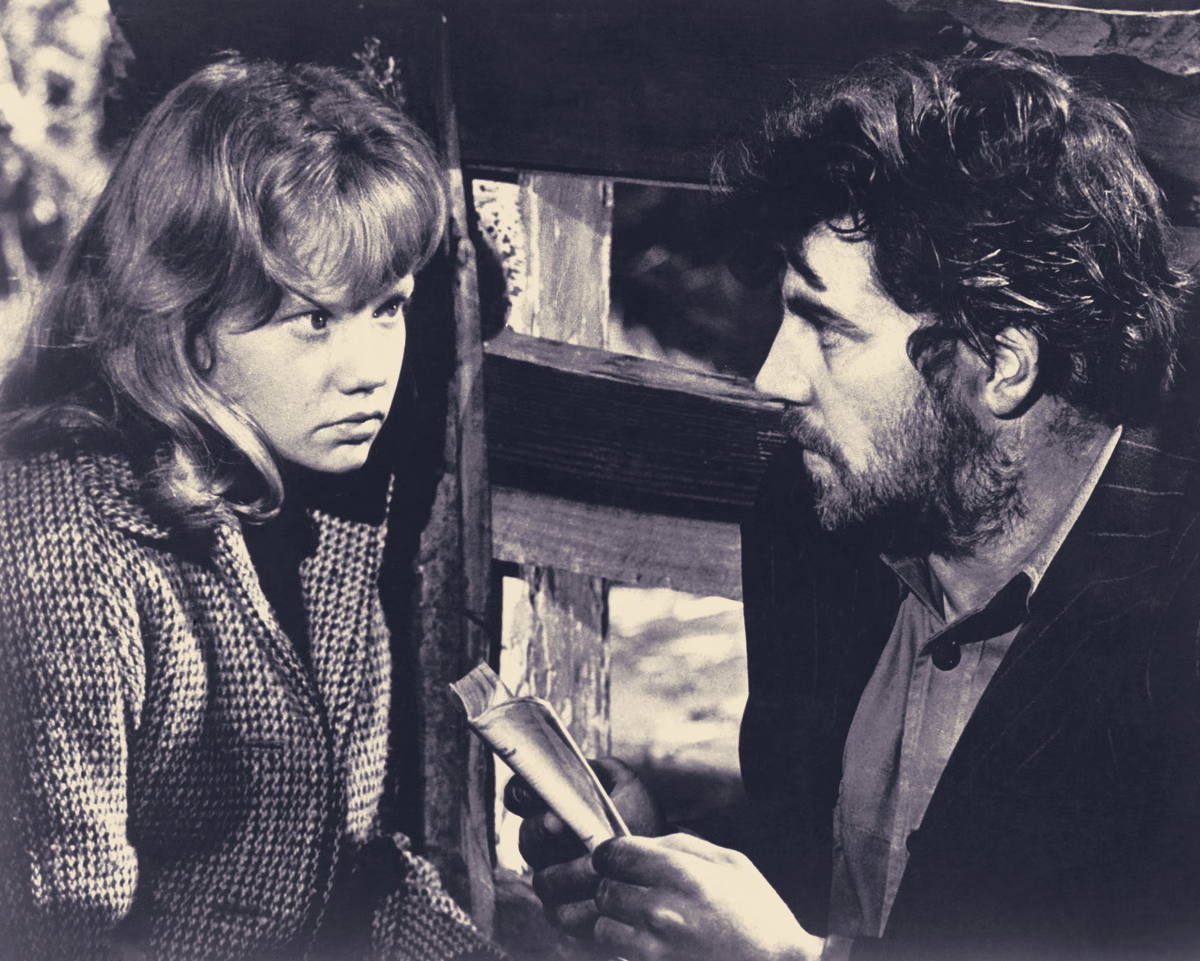
Mills, who was 14 and had just completed two films in America for Disney, remembered the contrast of winter shoots on a mud-bound farm and the simple on-set meals of dripping, jam butties and fried eggs in buns. She recalled the production’s visual tone, praising Arthur Ibbetson’s black-and-white cinematography for catching leafless trees and misty hills, and Malcolm Arnold’s music for providing a poignant, nostalgic counterpoint. Mills also revealed a small production detail that has been little noted publicly, that Richard Attenborough supplied the whistling heard on the main theme.
The young cast furnished the film with unscripted realism. Alan Barnes, who played Mills’s little brother Charles, was just seven and delivered the line that audiences still repeat, "It isn’t Jesus. It’s just a fella." Mills said Barnes stole many scenes with his natural performance. Bryan Forbes, she added, could coax truthful reactions from children, and sometimes kept mistakes to preserve authenticity; in one close-up the slapping hand belonged to Forbes, and Mills said, "He really whacked me!"
Other participants carried small but telling memories. Diane Poole, cast as Nan Bostock, recalled a school visit by Forbes and Attenborough that led to her recruitment and later astonishment at seeing rushes at Pinewood. Production borrowed the real farmhouse back door for interior shots, and the props team even made a tiny chair so Barnes would feel at home among adult directors’ seats.
For the cast and crew, the film’s mix of local children, austere photography and a plaintive score created an enduring identity. Those elements, along with Attenborough’s off-camera contribution, remain central to how participants remember Whistle Down the Wind.