
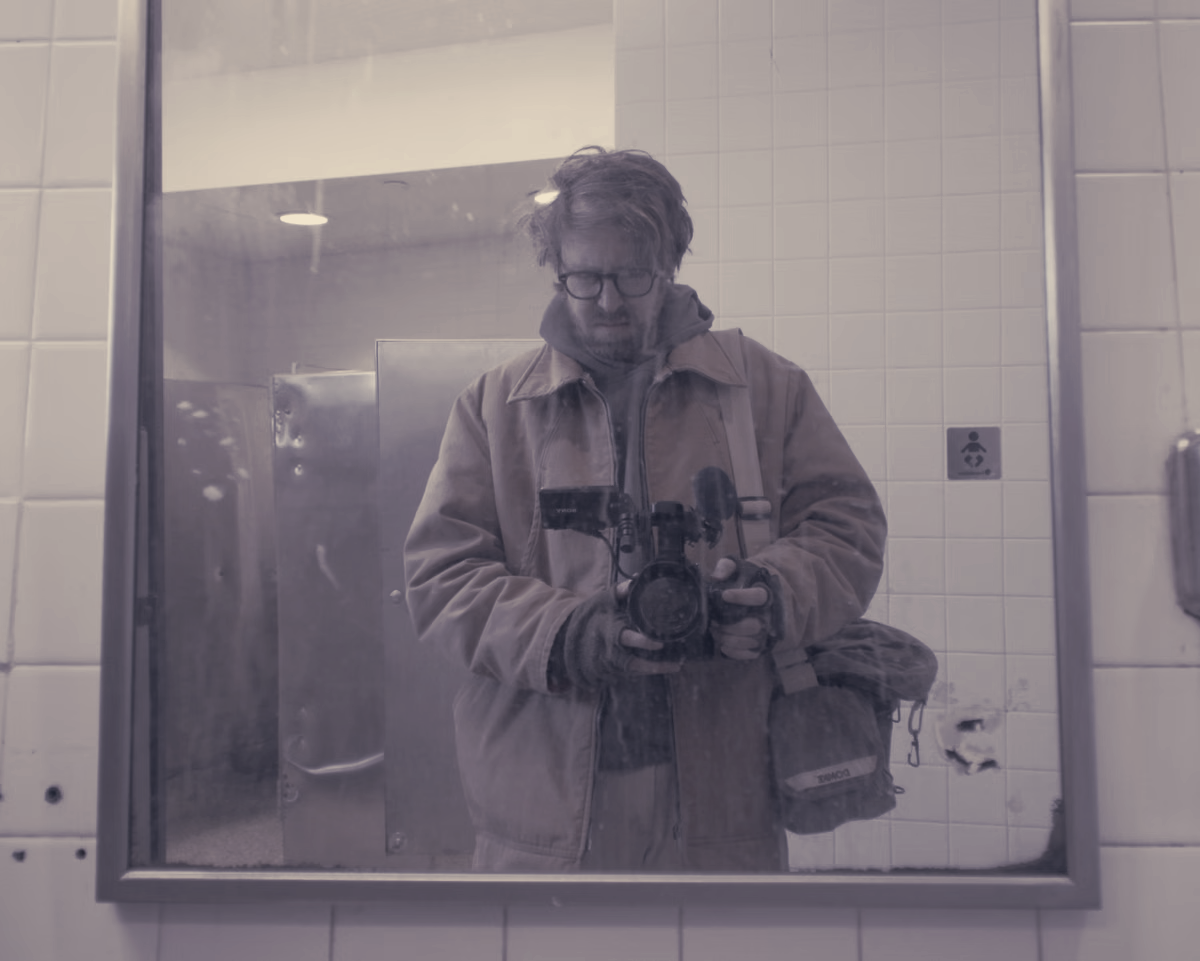
Audiences gain John Wilson’s first feature, a 100-minute documentary that recasts the city’s most ubiquitous building material as both subject and sales pitch. The History of Concrete arrives as an extension of the director’s HBO series How To With John Wilson, using the same handheld footage and confessional narration to probe why a non-glamorous subject resists both funding and attention.
The Story in Pictures
Wilson frames the film partly as a creative limbo after the success of How To, a period when networks and financiers wanted a different thing from him and pitch calls generated what he describes as “an absolute emotional flatline.” He says a failed DIY attempt to fix a cracked foundation in his Queens apartment spurred a deeper curiosity about concrete, and he tried, briefly, to position the project as an environmental documentary. The response, he reports, was blunt: “I don’t want to think about this.”
Rather than reshape his voice to match expectations, Wilson returned to the method that made his series distinctive, picking up his camera and following what he found on the street. The feature mixes visits to a science lab and a corporate meet-up for “the women of concrete” with the director’s signature offbeat encounters, and it functions as much as a film about the difficulty of making a film as it does an investigation of cement and aggregate.
Wilson recounts the creative pressure he felt after How To, and the film documents how that anxiety intersected with the practical challenge of convincing others to back an unconventional idea. He also notes comic moments of celebrity oddity, like becoming the $2,000 Jeopardy question nobody answers. He credits a strike-era Writer’s Guild workshop for one piece of pitching wisdom: “trauma is FINE, if it ends on a high note.”
The documentary is already moving beyond niche cultural currency. In April, New York mayor Zohran Mamdani teamed with Wilson on a promotional video supporting the administration’s effort to reduce sidewalk sheds, a pairing that underscored how Wilson’s work has become a local signifier. Wilson acknowledges small, incidental impacts: after a promotional moment, scaffolding came down on one block, revealing years of sun-starved concrete and a changed streetscape.
For now, The History of Concrete stands as a proof of concept for Wilson’s approach: intimate, digressive, and stubbornly loyal to its maker’s perspective. Faced with lukewarm industry reactions, he opted to keep shooting in the mode he trusts. “I just started to do things the way that I always did,” he says, a decision that produced a film about both material and method, and which may influence how audiences and funders see low-key, essayistic documentaries going forward.