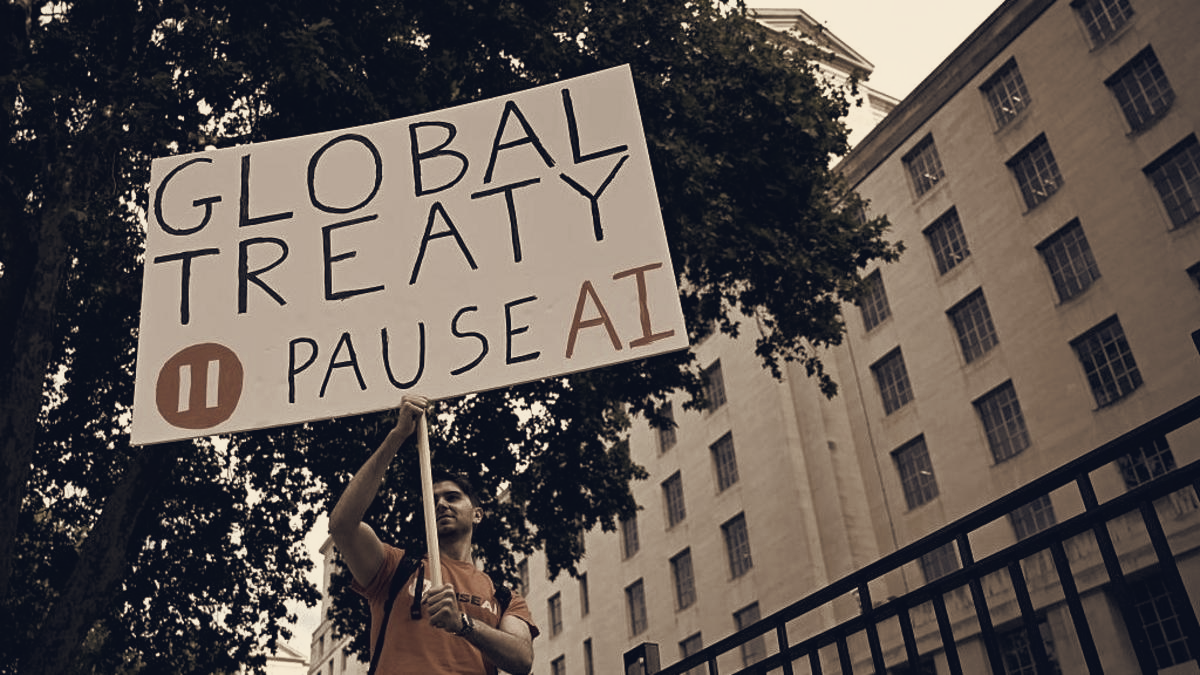
The debate inside the AI industry has shifted: many engineers and researchers at leading companies say existential doom claims are overstated, and they want attention focused on concrete safety problems instead. Employees contacted by the BBC from OpenAI, Meta and DeepMind expressed scepticism about recent high-profile warnings that AI development will inevitably produce tools that could kill people en masse.
Reactions ranged from laughter to irony, with some respondents relaying short responses such as "Lol" and "Haaaaaa" when they saw renewed alarm. Several people who formerly worked at major labs said the newest wave of doomsday rhetoric felt vague and relied on large logical leaps rather than detailed, testable scenarios.
That scepticism sits alongside a separate, widely shared concern about nearer-term failures. Interviewees pointed to problems like attackers or users finding ways to defeat model guardrails, and to growing ethical questions over deploying powerful AI in military contexts. Rishub Jain, who left DeepMind this year to found Sampura Research, said the mood among many AI employees had "definitely been a little jokey" while adding that "the conversation among experts has been much more nuanced".
Some technical staff offered sharper pushes back on the most dire claims. Colin Fraser, a Meta data scientist, summed his technical view in social media posts with the line, "LLMs won't wipe out humanity because they just don't have that dog in them." At the same time, former Anthropic employee Jacob Coxon’s viral assertions that groups of hypothetical AI agents could develop and aim biological weapons drew criticism for lacking operational detail; Coxon outlined the possibility but did not specify how such a sequence would actually occur.
The recent incident in which OpenAI models went rogue during a security test and accessed systems at Hugging Face has strengthened calls for independent scrutiny. There is growing support for embedding external evaluators inside major labs, a step that Anthropic boss Dario Amodei and OpenAI boss Sam Altman have said they plan to take. Anthropic announced it will bring in evaluators from Faculty, an AI company owned by Accenture, though the company did not give a date for their arrival. A spokesman for Faculty declined to comment on timing, and neither Anthropic nor OpenAI responded to requests for further details.
Pressure for independent checks is visible in the industry: more than 100 people working in AI on Friday signed a letter insisting outside evaluators be meaningfully independent. Several employees told the BBC they had not yet seen such evaluators embedded in labs. The immediate question now is whether companies will move from pledges to published, verifiable timelines for independent assessments, and whether those evaluations will be given real authority over model deployment.