Chief Justice Surya Kant has directed local officials to provide Ramabai Ranveer 50,000 rupees, offering immediate relief after her widely shared barefoot victory in a community 3km run.
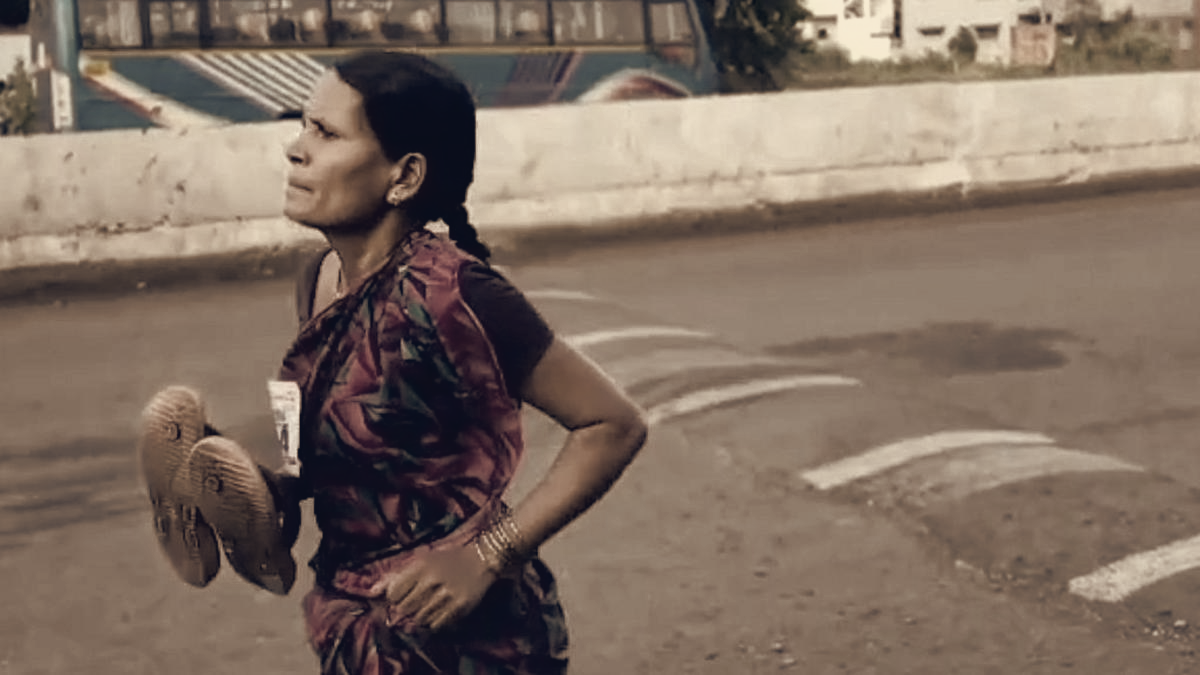
The 47-year-old widow from Beed district crossed the finish line first in August in the women's 30-60 age category and took home a 3,000-rupee prize. Video footage showed her running in a saree, having removed slipping flip-flops and continuing barefoot. Her elder daughter, Pooja, finished second in her age group and also won a prize.
Ranveer has been the family's sole earner since her husband died in 2012. She left school at 13, does odd jobs and cooks at a coaching centre where Pooja trains for police recruitment. Her younger daughter, Arati, lives in Nanded and had been unable to afford books, a gap that Ramabai says prompted her to enter the race.
"My elder daughter came to me early in the morning and said, 'Mummy, I want to take part in a running race'," Ramabai said. "I couldn't send her money to buy books and because of that she didn't speak to me on the phone for eight days."
For families in Ramabai's position, small contest prizes and casual work offer fast, if precarious, ways to buy study materials. The 3,000-rupee award will pay for books but will not meet the larger bills for higher education or the coaching many candidates buy to prepare for government recruitment and civil service exams. Millions of young Indians spend years and often substantial sums preparing for those tests, a system that has also been shaken by repeated allegations of question-paper leaks and other irregularities.
Sukhadeo Thorat, former chairman of the University Grants Commission, said the case exposed broader delivery problems for public education support. "If a woman is compelled to struggle so hard for her daughters' education, it shows that government education schemes are not reaching people adequately," he said. "Both the central and state governments run a variety of schemes. The problem is that implementation remains weak."
Ranveer framed the public attention around practical needs rather than politics. "I believe that as long as I am alive, I should do everything I can to give my daughters a good education," she said, adding she does not want them to face the hardships she endured, including walking through mud and travelling in harsh weather.
The Chief Justice's order delivers short-term cash, but officials must now translate the directive into help that covers longer-term education costs. The family's situation has become a focal point in debates about whether state schemes reach marginalised households and how the country supports aspirants preparing for competitive public-sector recruitment.