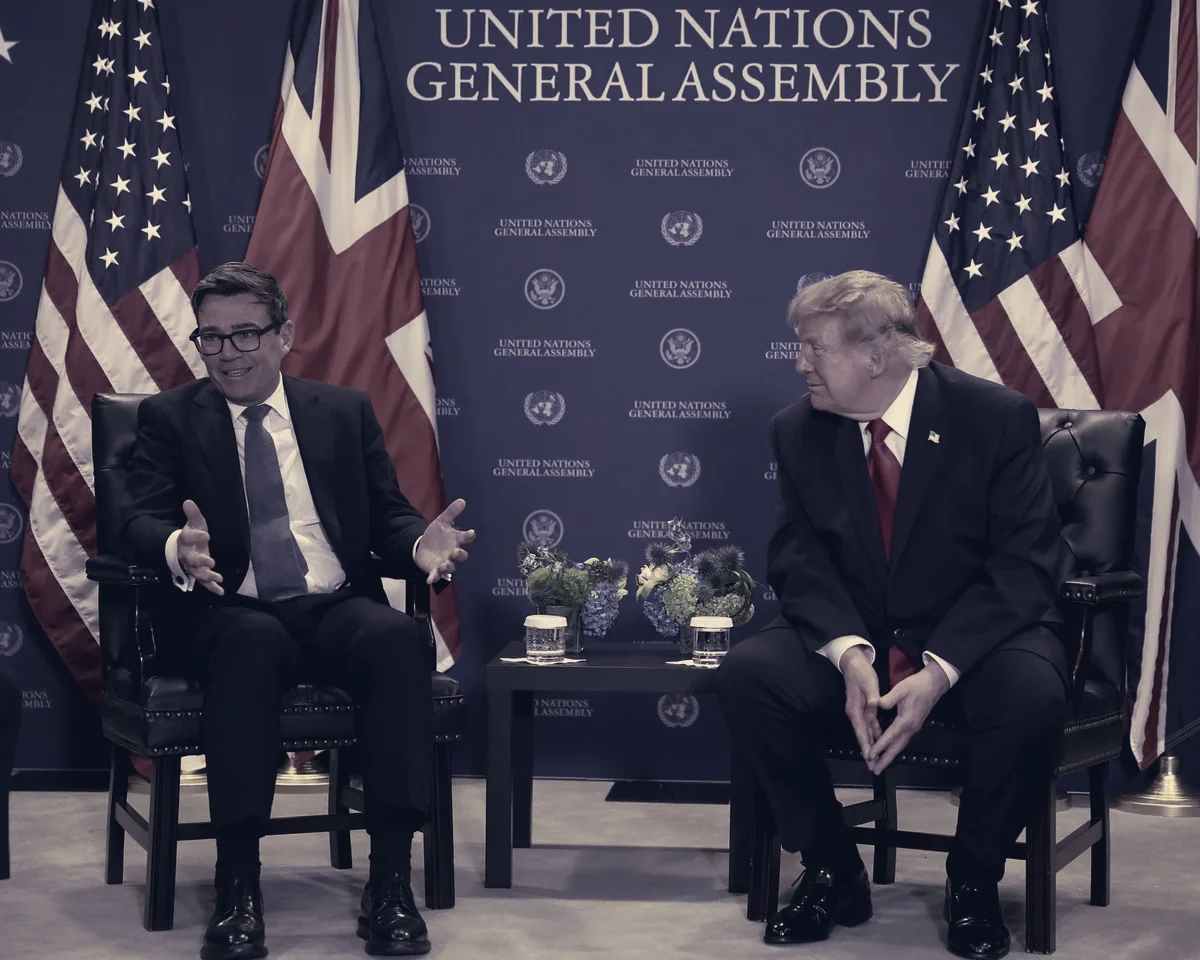

Households face faster relief after Prime Minister Andy Burnham placed lowering everyday costs at the centre of his opening programme. His administration has moved within weeks to reduce energy bills and cut bus fares, while pledging to end homelessness, boost council housing and reform adult social care.
Burnham framed the shift as a break with four decades of neoliberal economic policy. That diagnosis was aired publicly at a May 2025 meeting at the Ministry of Sound organised by the campaign group Compass, where Neal Lawson said, "We felt as though the Labour government was failing, and needed to be pulled into the 21st century." Burnham used that platform to link public frustration to waves of privatisation under Margaret Thatcher and to press for practical measures to lower living costs.
A network of researchers and campaigners turned the diagnosis into policy proposals. Alfie Stirling of the Joseph Rowntree Foundation, Hannah Peaker of the New Economics Foundation and Carys Roberts, who resigned as an adviser to Keir Starmer in October 2025, argued that waiting for broad economic growth would delay relief, and pushed for direct interventions to cut household expenses.
That organising influenced a political opening. On 14 May 2026 the Labour MP Josh Simons said he would stand down, creating a path for Burnham to contest a byelection. The same day the JRF and the NEF published coordinated research proposing rent controls, building on IPPR work released a few days earlier. Stirling said, "We were anticipating political movement, and we wanted to make sure we were landing the right policies."
Parliamentary reaction has been broadly positive inside Labour. As one commentator put it, "The mood is feeling so much more positive than most of the last year and a half in parliament." Yet the government’s direction is still being negotiated. Because Burnham became prime minister without a leadership contest or a manifesto mandate, some early commitments have been narrowed: the council housing package now directs 60% of funding for new homes in England outside London to social housing rather than all of it, a proposed cap on political donations at £500,000 has been softened, and language about "public ownership" has shifted to "public control."
Those choices matter politically and practically. Karel Williams said, "Burnham is the master of vibes. He's a figure who pops up with a positive story." Whether the administration scales measures such as rent controls and preserves higher social housing targets will decide if this government departs from recent Labour instincts or offers mostly short-term relief. The immediate beneficiaries are households contending with high bills today; the longer test will be whether reforms survive internal compromise and become durable policy.