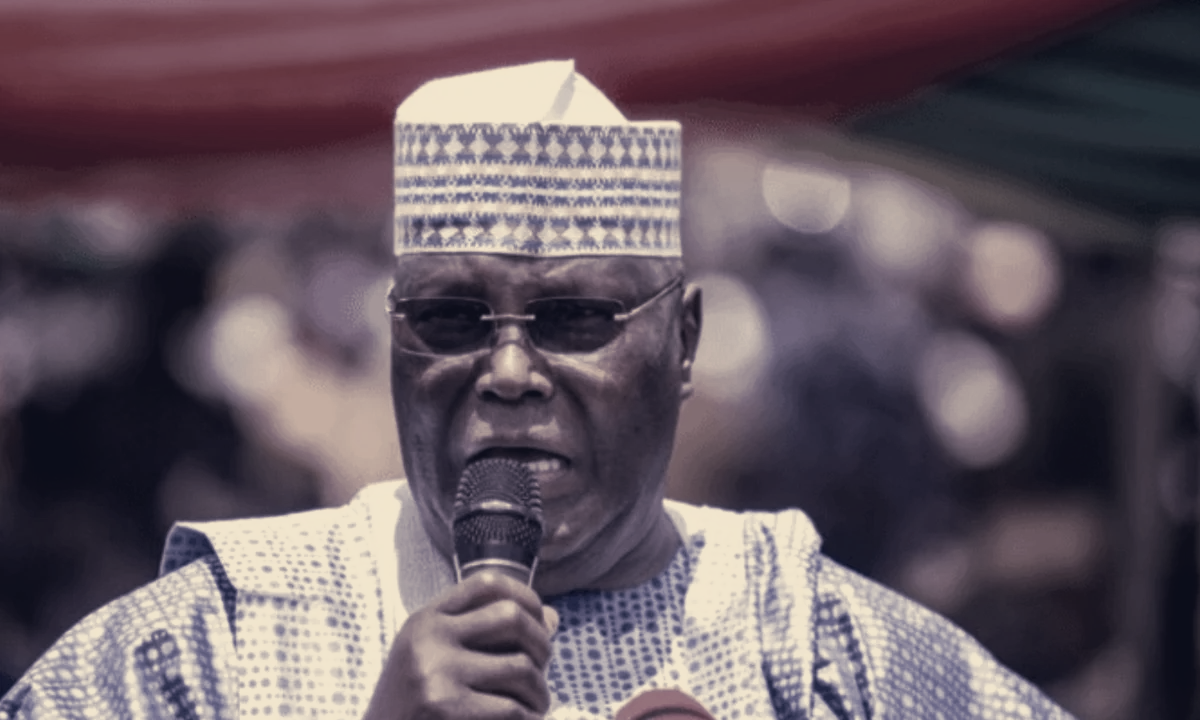
Uber said it was ending a 12-year presence in Nigeria as part of a review of its priorities and investment focus across Africa, and the company offered no further operational details. Atiku’s response came through his spokesman, Phrank Shaibu, who framed the withdrawal as a direct consequence of recent policy and cost pressures on the transport sector.
Shaibu posted on X that the platform left not because Nigerians no longer needed transport, but because the prevailing economy had made fares unaffordable for passengers and unsustainable for drivers. He listed rising fuel prices, higher costs for spare parts, steeper car loans and repairs, a weakening naira and new taxes and licence fees tied to policies associated with Taiwo Oyedele as the factors squeezing riders and drivers.
Shaibu wrote, "Uber did not leave because Nigerians stopped needing rides. It left because, under your economy, passengers could no longer afford the fares and drivers could no longer earn enough to feed their families." He added, "Passengers pay more, drivers earn less and the platforms struggle to survive." In the same statement he urged President Tinubu to stop calling his agenda reform, saying, "Any policy that empties pockets, kills jobs and drives businesses out of Nigeria is organised hardship and wickedness raised to an ontological level." The statement closed with a campaign promise attributed to Atiku, "Atiku will make Nigeria affordable again."
The dispute casts Uber’s withdrawal as both an economic hit and a political flashpoint. Atiku presents the exit as evidence that current policy settings are discouraging business activity and eroding livelihoods, while Uber framed the move as part of a broader reassessment of its Africa operations.
The immediate factual result is the loss of a global ride-hailing operator after more than a decade in Nigeria, and according to Atiku’s camp, corresponding job and income losses for drivers and their families. How lasting that effect will be depends on whether other platforms move to fill the gap and how policymakers respond to criticism linking fiscal and regulatory changes to business exits.