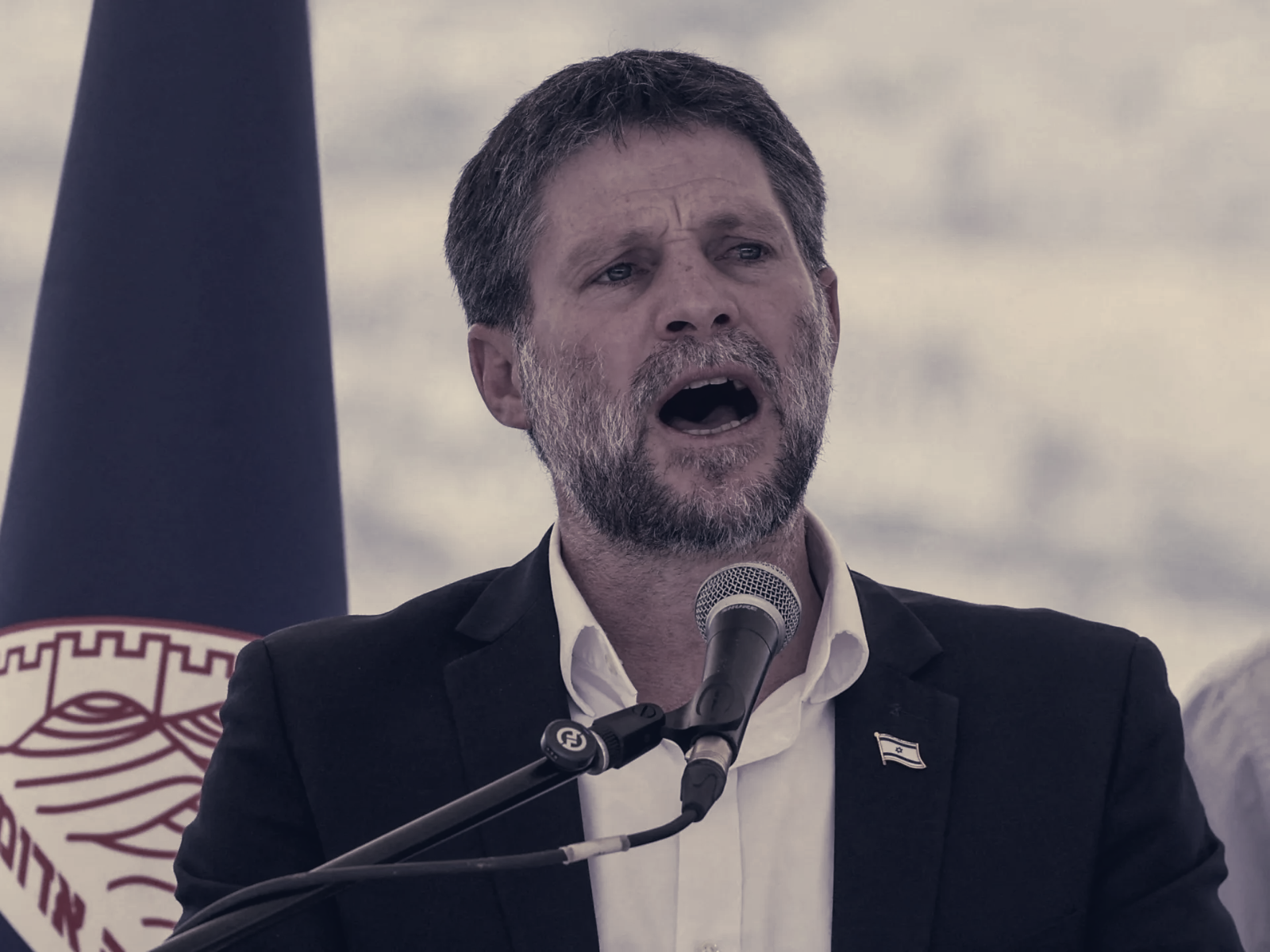
The West Bank faces an elevated risk of major military operations after Israeli Finance Minister Bezalel Smotrich told Ynet News the military should "go to war" there and "do there what we did in Gaza." Human rights lawyers and analysts say the remarks should not be dismissed as election rhetoric because they outline concrete aims that would imperil Palestinian civilians and institutions.
Smotrich, leader of the far-right Religious Zionism party, proposed dismantling the Palestinian Authority and removing what he called "terror infrastructure" from areas he referred to by their biblical names, Judea and Samaria. He also urged annexing territory Israel controls in Gaza up to the so-called "Yellow Line" and extending Israeli sovereignty in southern Lebanon up to the Litani River. He made the comments about a month ahead of a general election and has been sanctioned by a number of Western countries alongside Cabinet colleague Itamar Ben-Gvir.
Campaigners pointed to the recent pattern of Israeli operations and settler violence across the occupied territories. Since the ceasefire phase referenced by Israeli military maps, attacks inside Gaza have killed at least 1,408 Palestinians. The enclave’s health ministry says at least 74,000 Palestinians have been killed by Israel since October 2023, and much of Gaza has been reduced to rubble. Legal scholars and campaigners have described Israel’s actions in Gaza as genocide, and a UN commission of inquiry panel said last September that Israel committed genocide in Gaza.
Suhad Bishara, legal director of Adalah, warned that Smotrich’s language amounted to a public declaration of intent, and said he is already "waging" a campaign in the West Bank. She criticised plans to seize occupied land by force as prohibited under international law. The Palestinian Ministry of Foreign Affairs described the comments as an "explicit invitation to escalate." Lebanon’s Prime Minister Nawaf Salam has demanded a full Israeli withdrawal to internationally recognised borders after months of cross-border fighting; since March 2 Israeli attacks in southern Lebanon have killed at least 4,386 people and wounded 12,407, and Israeli forces have occupied up to 600sq km of Lebanese territory up to the Litani River.
The immediate question is whether Smotrich’s proposals will translate into formal military orders or policy changes that expand operations beyond raids and arrests. With an election imminent and a documented rise in violence in the occupied territories, rights groups, regional leaders and international legal bodies will be watching whether rhetoric shifts into coordinated action that would further destabilise the West Bank and neighbouring border zones.