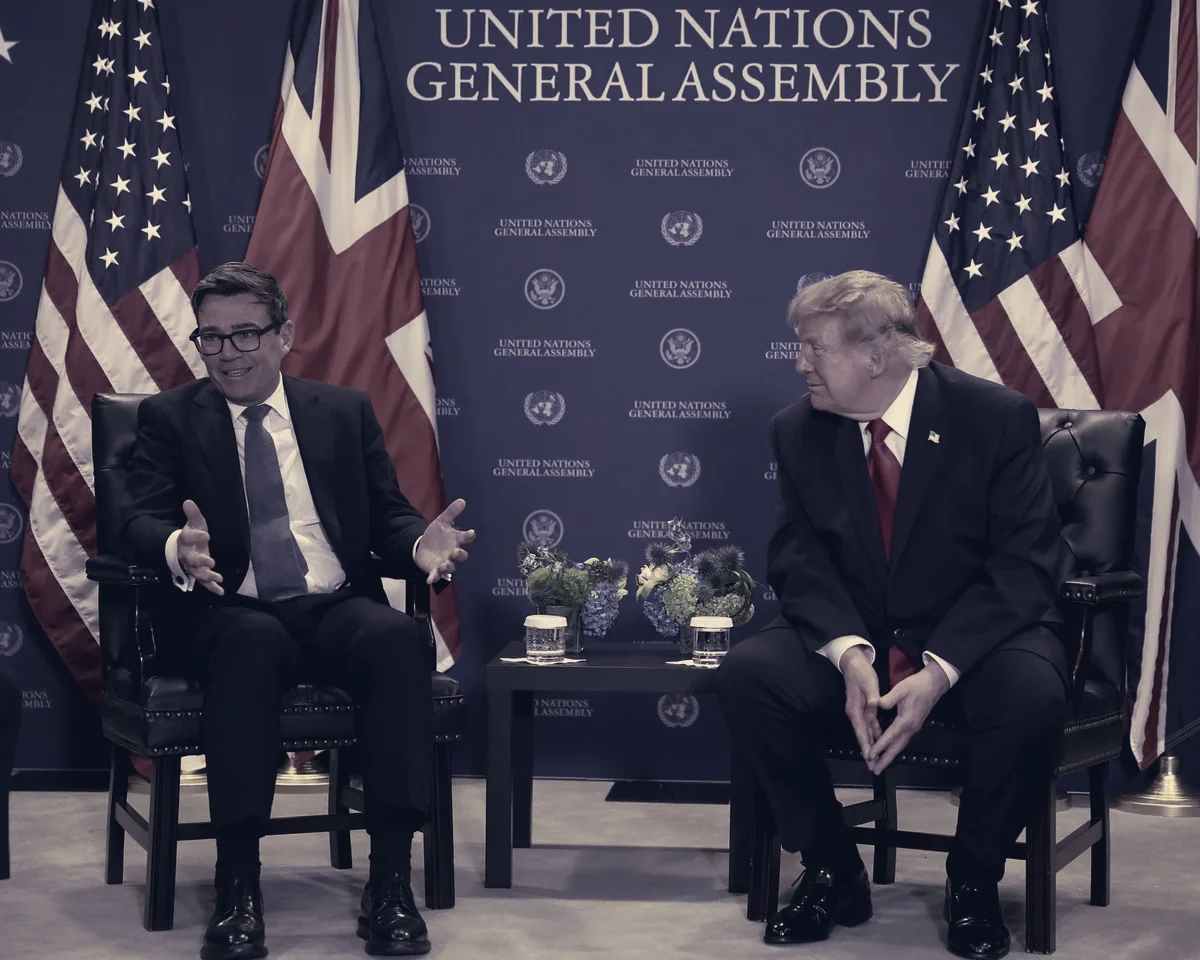
The chief consequence of the encounter at the United Nations in New York was avoidance of the public confrontation many had expected. In their first face-to-face, the UK prime minister met President Trump and, despite the latter’s aggressive rhetoric, the exchange did not escalate into a visible dispute. That restraint matters: it lowers the risk of an immediate diplomatic spat and keeps bilateral business at the summit focused on formal issues rather than headline-grabbing rows.
The meeting offered a window on tone management as much as policy. Facing trash‑talking from a prominent political figure, the UK leader projected steadiness rather than matching provocation. That posture can reframe expectations for how the two leaders will behave in public forums, shifting attention away from personality clashes and back toward institutional interactions at the UN.
Domestically, the optics of composure under pressure are consequential even without new agreements or announcements. For a leader encountering a high-profile adversary, appearing unruffled can strengthen personal credibility with domestic audiences who value steadiness in international dealings. Externally, a calm exchange reduces the likelihood that diplomats will need to spend the next 24 to 48 hours managing fallout from an explosive headline, preserving diplomatic bandwidth for planned discussions.
What happens next is straightforward: future meetings will reveal whether this tone endures. Both capitals can choose to capitalise on the restrained start, sticking to formal channels and agenda items, or a subsequent encounter could produce a different dynamic. For now, the practical outcome is clear, the public moment passed without spectacle, and the immediate diplomatic temperature remained low.