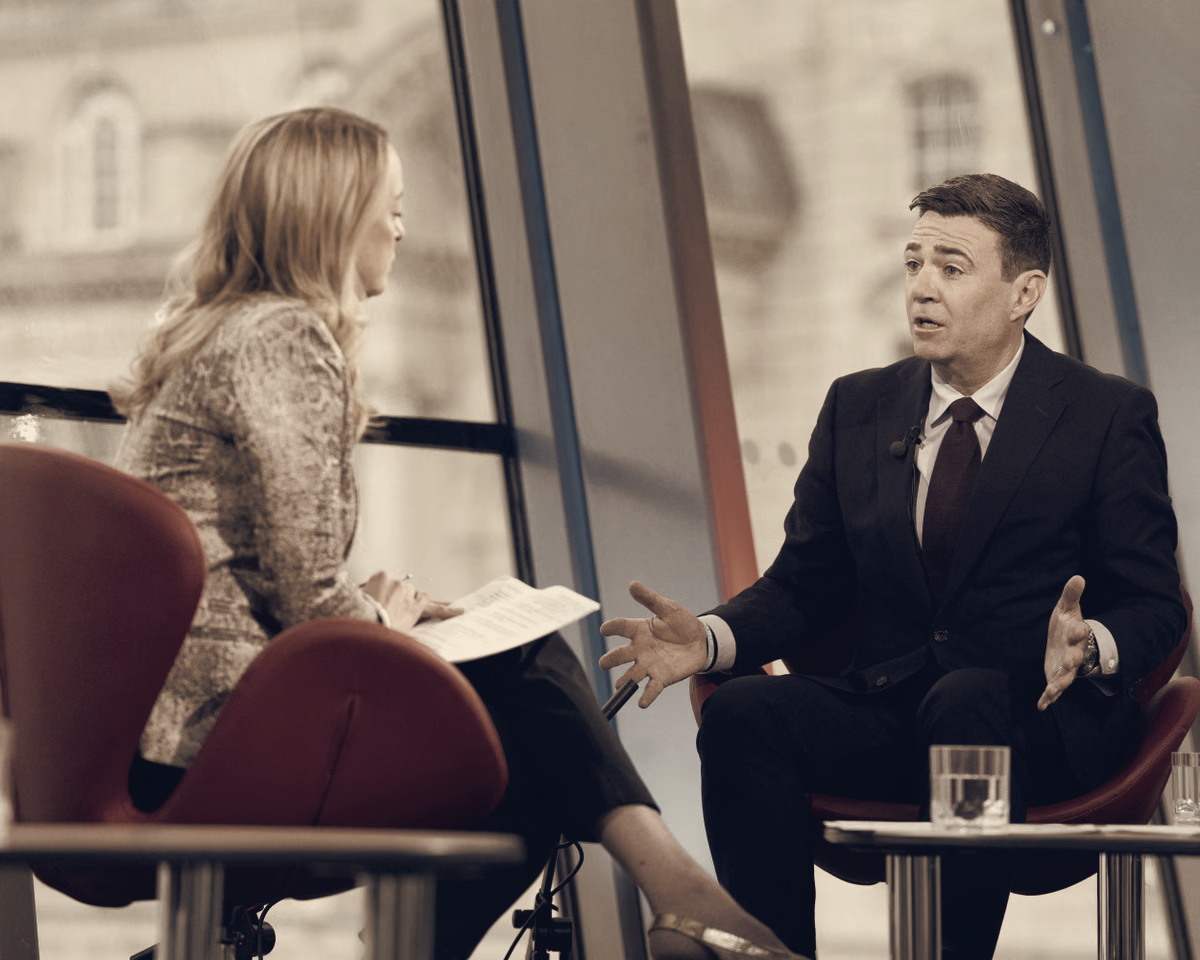
Voters will be asked to endorse a plan to make social care free at the point of use across England, Andy Burnham told the BBC as Labour’s conference opened in Liverpool. The prime minister said Labour will include a blueprint for an NHS-style national care service in its next general election manifesto so the public can give a mandate before any reforms are introduced.
Burnham said the service would be funded by “everybody,” but he declined to set out a detailed funding model during the interview with Laura Kuenssberg, saying a review is ongoing and that more specifics would follow in his conference speech on Tuesday. He rejected implementing the changes before the next general election, which is currently due in 2029, and framed the manifesto route as a way to reduce the risk of political attacks derailing the policy.
The prime minister acknowledged the scale and complexity of a nationwide overhaul, warning it could be costly and politically risky. “Somebody needs to grasp the nettle. I will be the one to do that,” he said, and accepted that doing so might require spending political capital. He also contested a previously cited annual bill, saying the cost of delivering an NHS-style social care system is “not as high” as the £18bn figure that has been floated.
Personal experience has shaped Burnham’s push. He said the death two weeks ago of his father, Roy, who had Alzheimer’s, reinforced his determination, and he paid tribute to the carers who looked after him, praising their “humour, humanity and skill” while noting many work on “poverty pay.” He described the current system as comparable to American healthcare in its unfairness, saying the most vulnerable risk losing everything.
Burnham said Baroness Casey will advise on the proposals, and he signalled readiness to consider a wide range of financing options, including approaches debated in the past when he served as health secretary in 2009. He warned against partisan scaremongering that could block change, and stressed the chancellor, John Healey, would adopt a “highly prudent” stance on public finances as any plan is worked up.
What happens next is a continued review and a fuller outline at Burnham’s conference speech, followed by the inclusion of the policy in Labour’s next manifesto for voters to judge at the ballot box.