
Healthcare providers and regional logistics operators in southern India could get faster, cheaper short-haul delivery options after Airbound closed a $37 million Series A round. The financing was led by Greenoaks and included DoorDash, Lachy Groom, Lightspeed and Humba Ventures, taking the startup’s total funding to nearly $50 million following an $8.65 million seed round less than a year earlier.
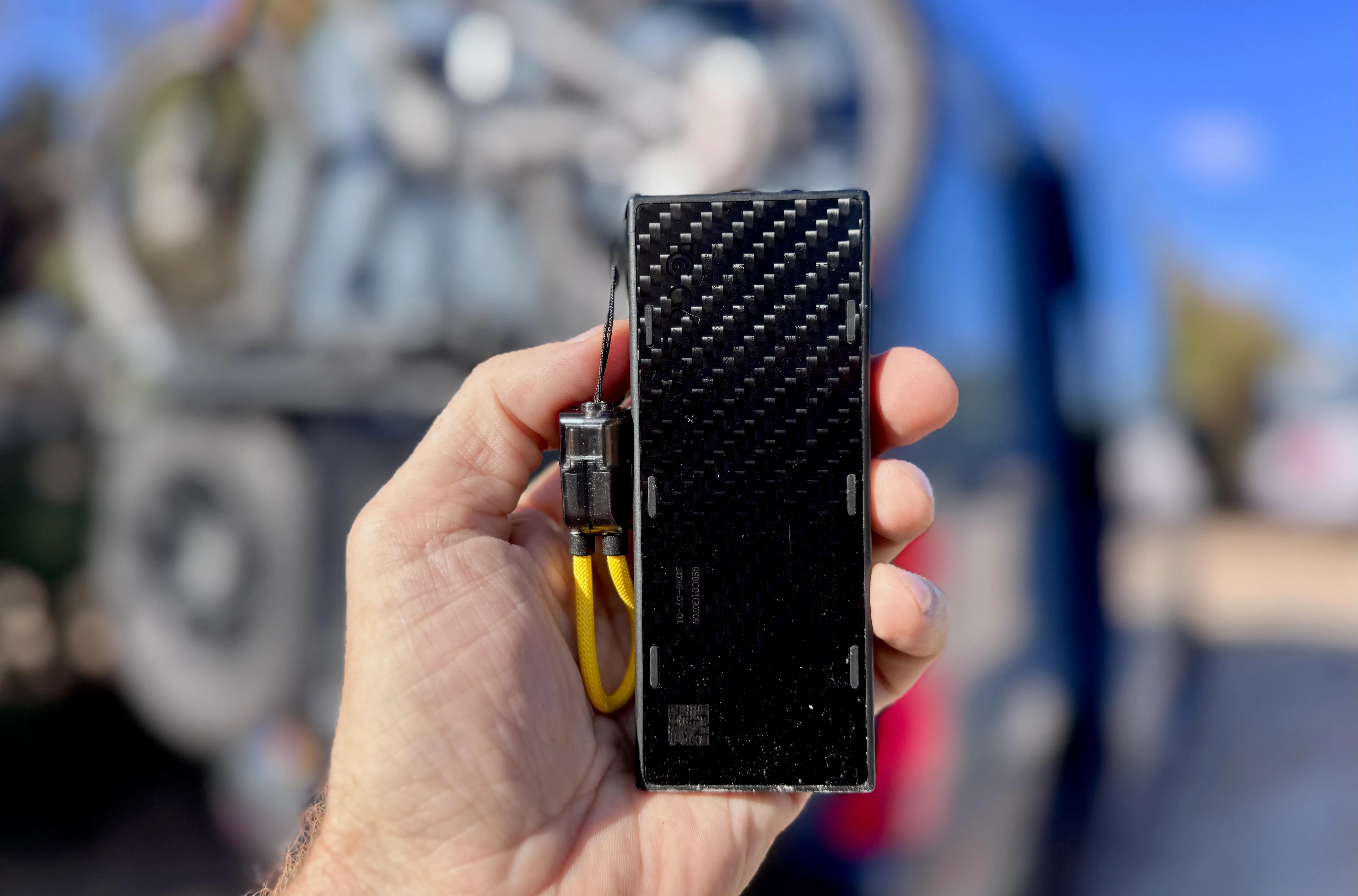
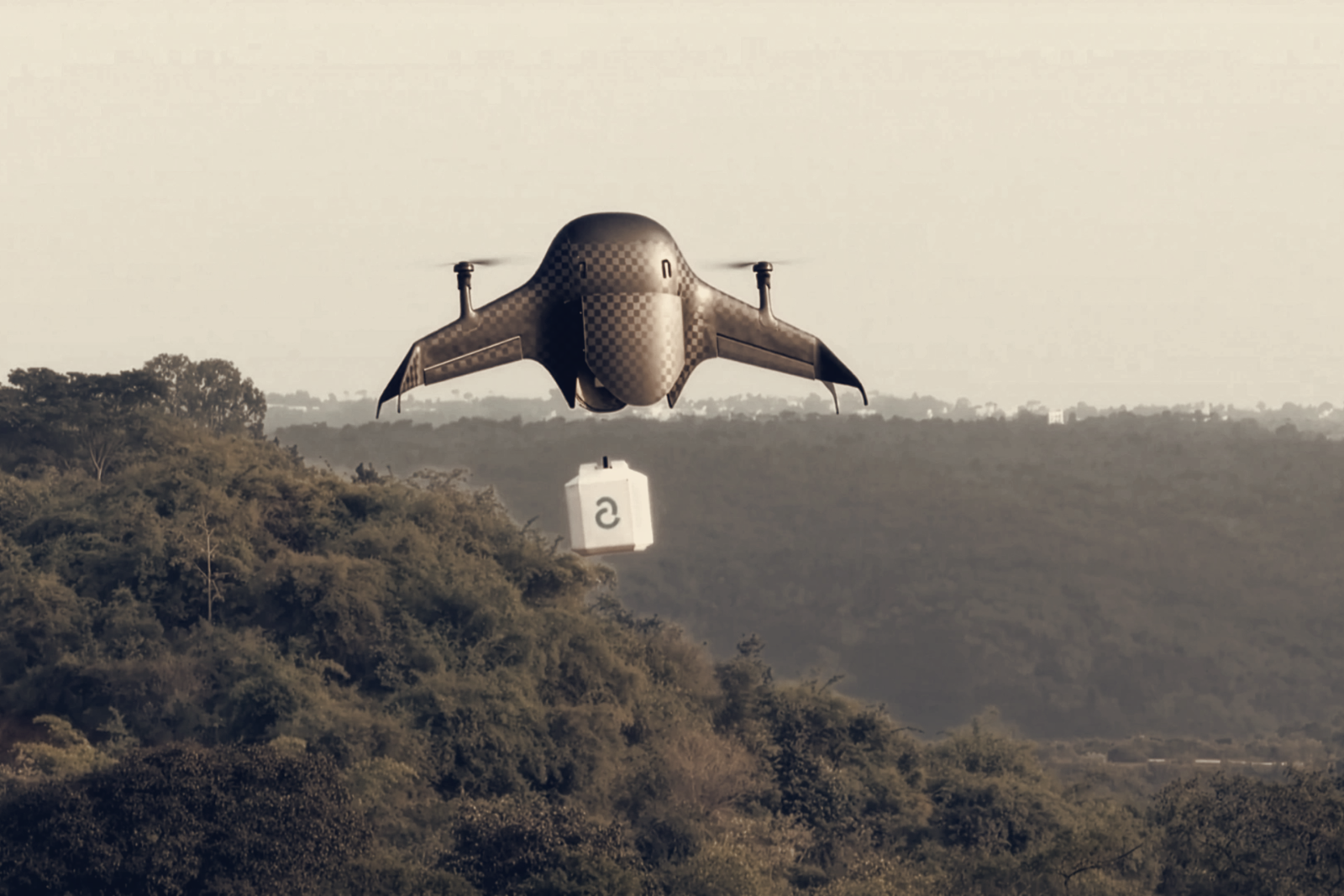
Airbound, founded in 2023, builds vertical-flight, tail-sitter drones that take off and land upright, then transition to horizontal flight. The company says that conventional aircraft spend a lot of energy hauling their own weight, making short cargo runs uneconomical, and its design goal is to make aircraft lighter than the payload they carry. The current model, called TRT, weighs about 3.3 pounds and carries roughly 2.2 pounds. A larger variant now in development is expected to weigh about 6.6 pounds while carrying up to 11 pounds, according to founder and CEO Naman Pushp, who spoke with TechCrunch.
Pushp framed the product strategy in industry terms, saying the company aims to supply aircraft rather than become the dominant delivery operator. “That’s the Boeing role — the aircraft airlines everywhere rely on, not the airline itself,” he said. He also articulated the pricing ambition plainly, “We want to build towards a world where everything has cost parity with trucking.”
Airbound already operates in Bengaluru and Guntur, logging more than 13,000 autonomous flights and running over 1,000 missions with Narayana Health to move diagnostic samples. On that route a single active drone covers about 2.5 miles in roughly seven minutes, a trip Pushp contrasts with road transport that can take three to five hours once samples are bundled. The Narayana partnership is expanding to a Banashankari hospital that was designed without an on-site diagnostic lab or blood bank, and will rely on drones to reach centralized testing facilities.
The startup has signed an agreement with the Andhra Pradesh state government to build a drone network linking three cities, with an eventual target of 10,000 flights per day for retail, e-commerce and healthcare deliveries. Pushp estimates the network would need between 250 and 1,000 aircraft depending on route lengths, and he expects the requirement will be nearer 250. He said the agreement does not include a government contract or subsidy, and that Andhra Pradesh is helping shape the regulatory framework required.
Airbound designs and manufactures in a 43,000-square-foot Bengaluru facility and keeps work on airframes and core systems in-house. Pushp declined to disclose production capacity or cumulative aircraft built, adding that manufacturing should not be the scaling constraint. The chief obstacle remains regulation, specifically securing approvals for beyond visual line of sight operations, a certification necessary to run delivery networks at scale. The company still sits broadly pre-revenue despite a team of more than 150 employees, a reminder that operational flights alone do not equal commercial viability. The next moves will hinge on BVLOS clearance, the Andhra Pradesh rollout, and whether logistics customers convert trial flights into sustained contracts.