
Meta removed a company-wide second wave of AI-driven layoffs from its immediate agenda, but the pause leaves the firm balancing investor expectations with unresolved productivity and morale problems.
Reuters reported the plan, known internally as Project OT for Organization Transformation, was tested for much of the year. At a leadership retreat at Mark Zuckerberg’s Hawaii estate in January, executives pitched an "AI native" operating model in which software agents would take on routine work and small human "pods" would supervise them. The shift would have folded specialists into broader "builder" roles, reduced middle-management layers and used agent-assisted tools to prioritise tasks. Executives modelled scenarios that included cutting some teams by as much as 60 percent, using layoffs, hiring freezes and exits of lower-rated employees to reach those goals.
Company data complicated the argument for sweeping cuts. Meta counted a 220 percent year-over-year rise in code changes to its AI platforms and infrastructure, yet the number of new or improved features that reached users grew only 36 percent. At the same time, technical and security incidents rose 40 percent and the hours spent addressing those problems increased 70 percent. The mismatch between engineering activity and user-facing outcomes weakened the evidence that agents could replace large swathes of staff.
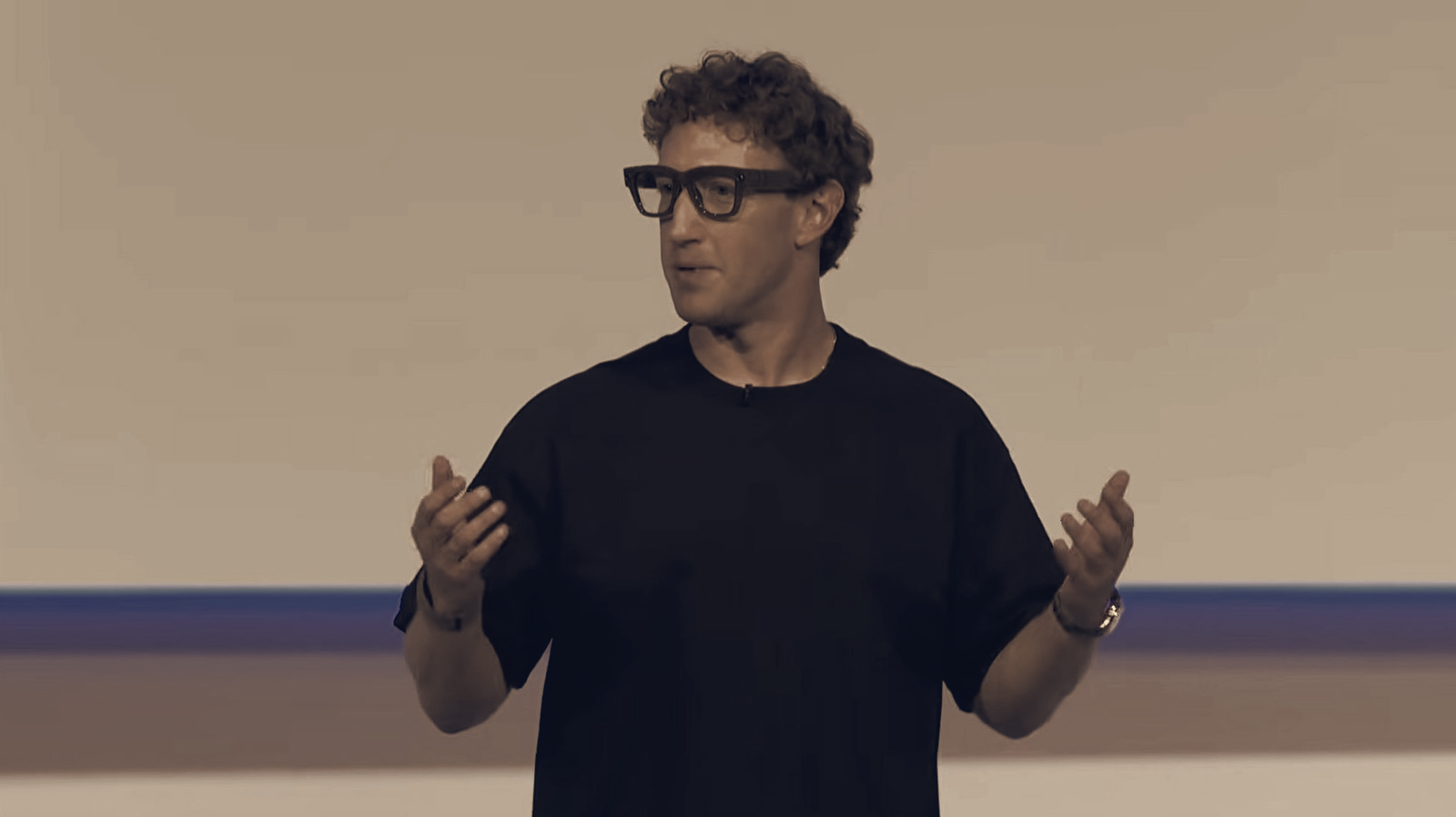
Mark Zuckerberg acknowledged the gap publicly. At a July town hall he said the "trajectory of the agentic development over at least the last four months hasn't really accelerated in the way that we expected," and that the company's investment in AI agents hadn't "come to fruition yet." Those comments undercut a business case for immediate, large-scale layoffs.
Operational choices added political heat. Meta installed software on U.S. employee machines that tracked mouse movements and keystrokes. The monitoring provoked a wave of internal complaints, a 19-point drop in employee-sentiment scores and an uptick in labour-organising activity. The backlash raised the reputational and organisational cost of executing another mass reduction.
Reuters says Zuckerberg ultimately abandoned or paused the November wave, while Meta framed the more aggressive scenarios as options under consideration. The company still runs smaller AI-assisted teams in pockets of the business and continues to pour money into AI infrastructure. That leaves leadership with two linked problems, technical and human: turn heavy investment into measurable product and efficiency gains, and navigate the fallout of monitoring and potential job cuts. Investors watching the spending will expect tangible results, and employees now fear smaller, targeted reductions this year or broader moves later in 2027.